
Publications
The tree in the machine: Why urban heat resilience planning still can’t see the tree

Urban heat resilience strategies increasingly rely on digital tools, heat mapping, and building performance models, yet trees remain largely excluded from the systems used to guide investment and regulatory decisions. This article examines why urban forests continue to be treated as contextual elements rather than critical cooling infrastructure, despite extensive evidence of their thermal, social, and public health benefits. It argues that integrating tree canopy data into urban heat resilience planning is essential for equitable and effective climate adaptation.
Read MoreThe tree in the machine: Why urban heat resilience planning still can’t see the treeWhy Smart City Projects Fail: Lessons from an 80-Million-Yuan Digital Infrastructure Project
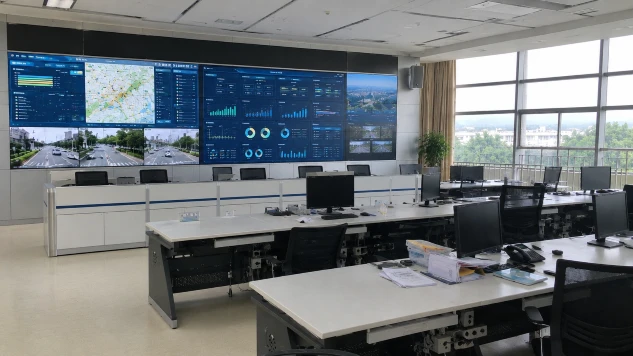
A county-level smart city project in China saw six of its seven sub-projects become idle despite significant public investment. This case study explores how planning gaps, fragmented data systems and governance challenges can undermine even the most ambitious digital infrastructure projects.
Read MoreWhy Smart City Projects Fail: Lessons from an 80-Million-Yuan Digital Infrastructure ProjectBeyond Green Claims (Part II): Governance, Legacy and Trust in Sustainable Sports Events

Sustainable sports events depend on far more than emissions reductions and operational efficiency. Drawing on international experience, Pierluigi Zacheo examines the role of governance, local partnerships, legacy, and accountability in turning sustainability ambitions into credible long-term results.
Read MoreBeyond Green Claims (Part II): Governance, Legacy and Trust in Sustainable Sports EventsIs the Earth Getting Hotter? New WMO Forecast Charts a Path to Unprecedented Global Warmth

This comprehensive analytical review breaks down the newly released WMO Global Annual to Decadal Climate Update for 2026–2035. Presenting data from 13 leading global prediction centers, it details a critical 91% probability of temporarily breaching the 1.5°C warming threshold within the next five years. Ultimately, the analysis translates these accelerating macroeconomic climate risks into actionable strategic adaptations required by modern urban planners and renewable energy engineers.
Read MoreIs the Earth Getting Hotter? New WMO Forecast Charts a Path to Unprecedented Global WarmthBeyond Green Claims (Part I): The Operational Reality of Sustainable Sport Events
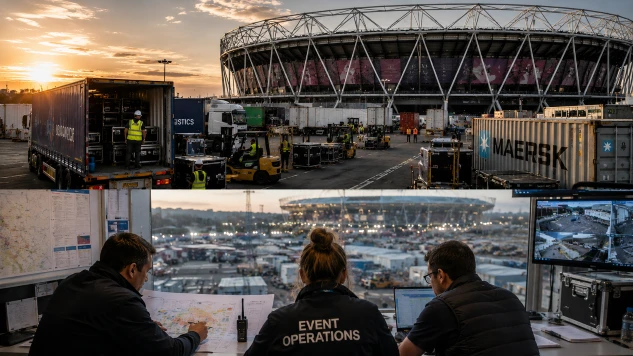
Major sporting events increasingly promote ambitious sustainability goals, yet their greatest environmental impacts often remain hidden within complex operational systems. Drawing on examples from Formula E, Formula 1, the Olympic Games, and other international events, Pierluigi Zacheo explores why transport, logistics, procurement, governance, and planning decisions ultimately determine whether sustainability commitments translate into real-world results.
Read MoreBeyond Green Claims (Part I): The Operational Reality of Sustainable Sport EventsVehicle-Road-Cloud Integration: Can Smart Infrastructure Prevent Traffic Accidents?

Can technology help prevent traffic accidents before they happen? Drawing on the concept of Vehicle-Road-Cloud Integration, this article explores how connected vehicles, smart roads and cloud-based management systems could reshape the future of road safety and intelligent mobility.
Read MoreVehicle-Road-Cloud Integration: Can Smart Infrastructure Prevent Traffic Accidents?World Bicycle Day: Why Urban Cycling Infrastructure Is Becoming Essential for Modern Cities

World Bicycle Day is more than a celebration of cycling; it is a reminder of the growing importance of urban cycling infrastructure in shaping sustainable cities. From Paris and London to the Western Balkans, investments in protected bike lanes are improving air quality, reducing congestion, and making active mobility a realistic transport option.
Read MoreWorld Bicycle Day: Why Urban Cycling Infrastructure Is Becoming Essential for Modern CitiesIoT + Big Data + AI | Reconstructing the Governance of Two-Wheeled Mobility
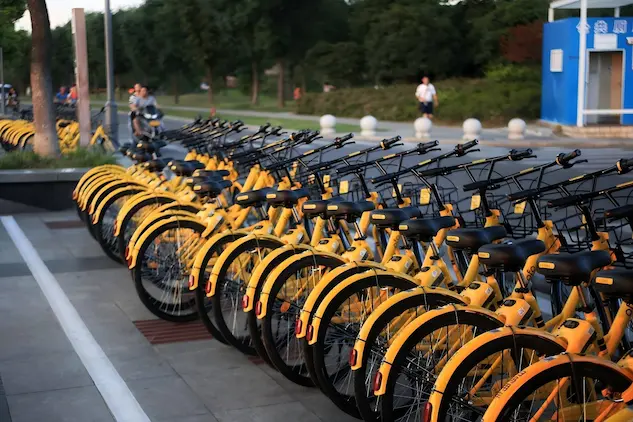
This article is provided by our media partner 7ITSNEWS. The shared two-wheeled mobility industry has developed over the past decade, now comprising two main sectors: bicycles and e-bikes. Only three major players remain in the bicycle sector, while the e-bike…
Balkan Battery Day 2026: Southeast Europe’s Storage Market Moves Toward Implementation

Balkan Battery Day 2026 in Athens brought together developers, investors, utilities and technology providers to discuss the rapid growth of battery energy storage across Southeast Europe. The conference focused on grid access, financing, market regulation and the growing role of BESS in supporting renewable integration and energy security.
Read MoreBalkan Battery Day 2026: Southeast Europe’s Storage Market Moves Toward ImplementationInclusive Public Spaces: How Cities Prescribe Behaviour

Public spaces often appear open to everyone, yet invisible rules shape who feels welcome and who is left out. This article examines how urban design influences behaviour and advocates for inclusive public spaces that prioritise flexibility, informal play, and shared ownership.
Read MoreInclusive Public Spaces: How Cities Prescribe Behaviour