
Publications
Cycling Advocacy in Europe: How the European Cyclists’ Federation Is Shaping the Future of Urban Mobility
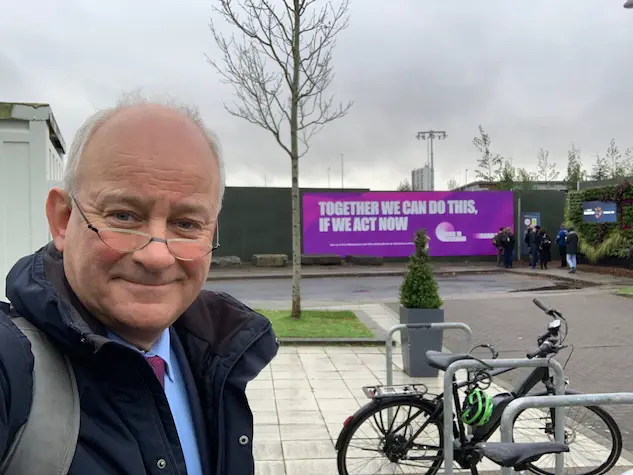
In this interview, Henk Swarttouw, President of the European Cyclists’ Federation, shares insights on the future of cycling in Europe and beyond. He discusses the role of cycling in sustainable urban mobility, the challenges of building a pan-European cycling network, and practical steps to accelerate change. The conversation also highlights actionable recommendations for cities with low cycling levels.
Read MoreCycling Advocacy in Europe: How the European Cyclists’ Federation Is Shaping the Future of Urban MobilityAre Smart Cities Smart Enough? Beyond the Dashboard

This article examines whether current smart city models are sufficient to address the complex challenges of climate change, biodiversity loss, and urban resilience. While cities increasingly adopt data-driven technologies to optimise infrastructure and services, these systems often overlook ecological processes and living systems that are critical to long-term sustainability.
Read MoreAre Smart Cities Smart Enough? Beyond the DashboardChina Transportation Digitalization: Where Will It Lead by 2036?

This article explores how China transportation digitalization could transform mobility into a “spatial intelligence layer” by 2036. It examines governance models, infrastructure logic, and new value ecosystems emerging from this shift. The analysis highlights how coordination, not speed, will define the future of transport systems.
Read MoreChina Transportation Digitalization: Where Will It Lead by 2036?Belgrade Green Hydrogen Conference: Between Ambition and Practical Constraints
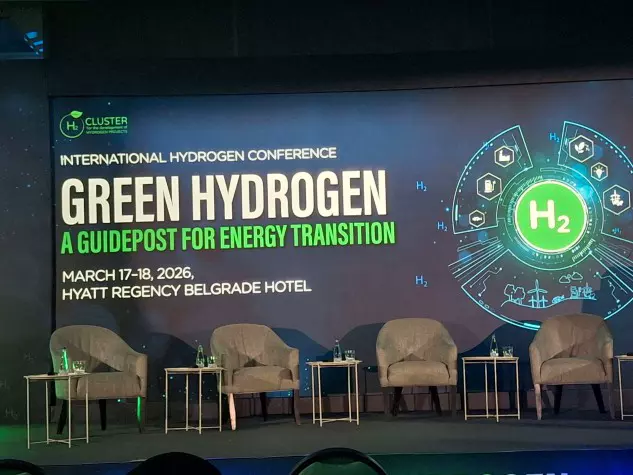
The Third Belgrade Green Hydrogen Conference brought together policymakers, utilities, industry, and investors to assess the role of hydrogen in the region’s energy transition. Discussions highlighted the gap between strategic ambition and market reality, with a focus on costs, infrastructure, and project bankability. Particular attention was given to regional constraints and the need for flexible solutions to support renewable energy integration.
Read MoreBelgrade Green Hydrogen Conference: Between Ambition and Practical ConstraintsThe End of Ultra-Cheap Solar? What Rising Module Prices Mean for Urban Solar Energy
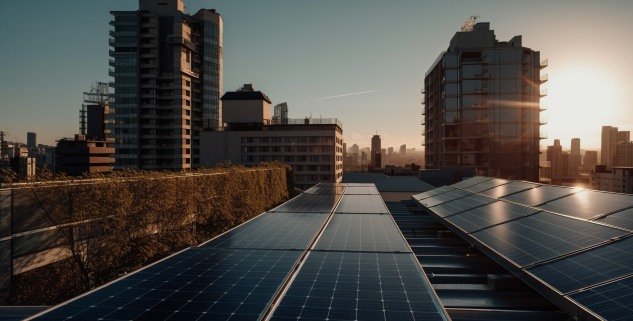
For more than a decade, falling solar panel prices fueled the rapid expansion of urban solar energy. Now costs may begin to rise. This article explores what a potential 20–30% increase in module prices could mean for cities, municipal budgets, and future energy planning.
Read MoreThe End of Ultra-Cheap Solar? What Rising Module Prices Mean for Urban Solar EnergyUrban Future 2026 in Ljubljana: Why City Change-Makers Need Action, Not Just Ideas
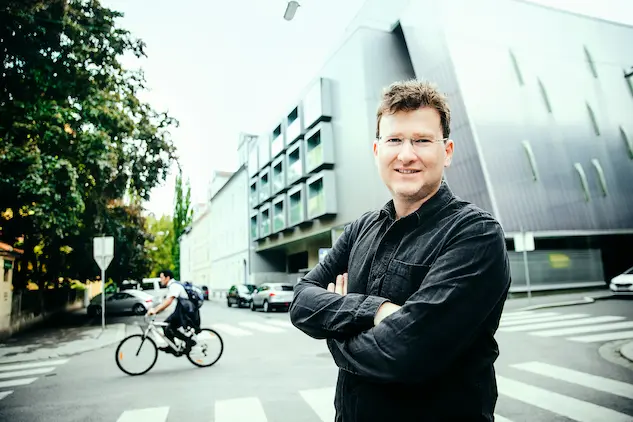
Urban transformation requires more than ambitious strategies, it demands communities of practitioners willing to test ideas, share failures, and act. In this interview, Gerald Babel-Sutter explains how Urban Future 2026 in Ljubljana aims to empower city leaders to turn knowledge into real change.
Read MoreUrban Future 2026 in Ljubljana: Why City Change-Makers Need Action, Not Just IdeasGender-Responsive Urban Planning: Why Cities Must Work for Women

The article considers how the infrastructure of the city often demonstrates gender disparities that may be present in the urban landscape. From gender-responsive facilities to transportation safety, many elements of urban space continue to serve men better than women. This article discusses the possibilities of gender-sensitive urban planning, taking into account examples from Vienna, Barcelona, and Seoul.
Read MoreGender-Responsive Urban Planning: Why Cities Must Work for WomenEurope Sustainable Development Report 2026: Progress, Gaps and the Regional Divide
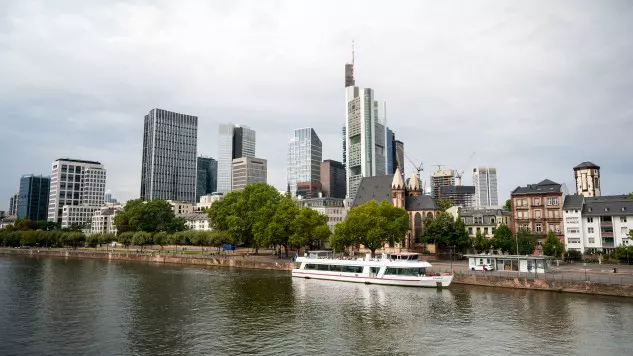
The Europe Sustainable Development Report 2026 provides a new snapshot of how European countries are progressing toward the UN Sustainable Development Goals. While Northern Europe continues to lead the SDG Index, significant regional gaps remain, particularly in Central and Eastern Europe and the Western Balkans. This brief review highlights the report’s key findings and explores what they mean for the European sustainability transition and the growing role of cities in implementing it.
Read MoreEurope Sustainable Development Report 2026: Progress, Gaps and the Regional DivideSmart City Ranking Methodology: Beyond the Top 10 Cities of 2025 (II)
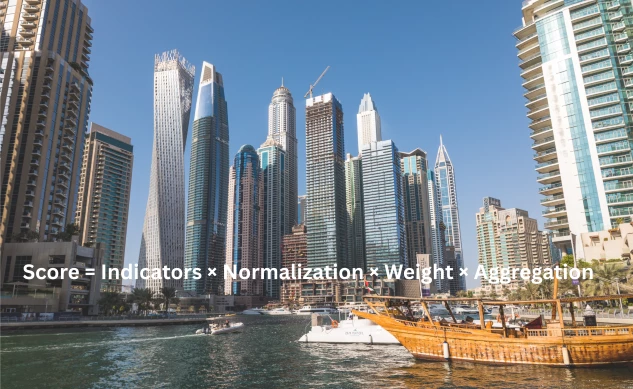
How are the world’s “smartest cities” actually ranked? This article examines smart city ranking methodology, from indicator selection to weighting and normalization. Understanding how the numbers are built changes how we interpret the Top 10 cities of 2025.
Read MoreSmart City Ranking Methodology: Beyond the Top 10 Cities of 2025 (II)Energy Week Black Sea 2026: Infrastructure, Investment and Regional Coordination
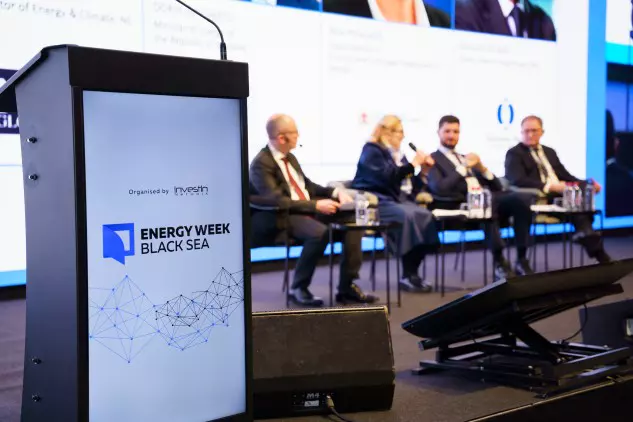
Energy Week Black Sea 2026 in Bucharest gathered regional policymakers, investors and industry leaders to discuss the next phase of the Black Sea energy transition. The conference focused on grid modernization, cross-border interconnections, renewables and the growing impact of digital infrastructure on electricity demand, while structured B2B meetings enabled concrete partnerships and investment dialogue.
Read MoreEnergy Week Black Sea 2026: Infrastructure, Investment and Regional Coordination