
Public spaces often appear open to everyone, yet invisible rules shape who feels welcome and who is left out. This article examines how urban design influences behaviour and advocates for inclusive public spaces that prioritise flexibility, informal play, and shared ownership.
Read MoreInclusive Public Spaces: How Cities Prescribe Behaviour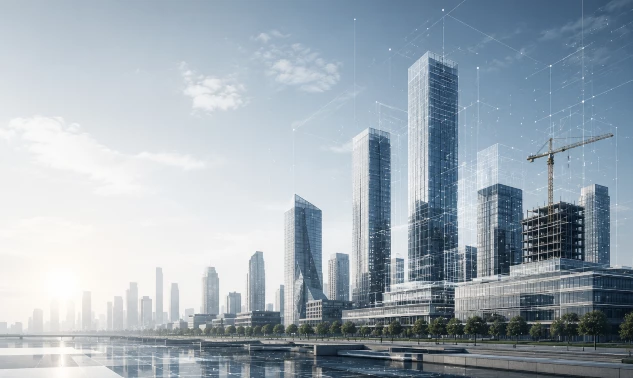
Digital construction is becoming increasingly important for the future of smart cities, yet the industry continues to lag behind other sectors in digital transformation. The article explores how fragmented systems, limited building data and slow standardization are affecting urban sustainability, renovation strategies and the development of data-driven cities.
Read MoreDigital Construction and the Future City: Where the Industry Stalled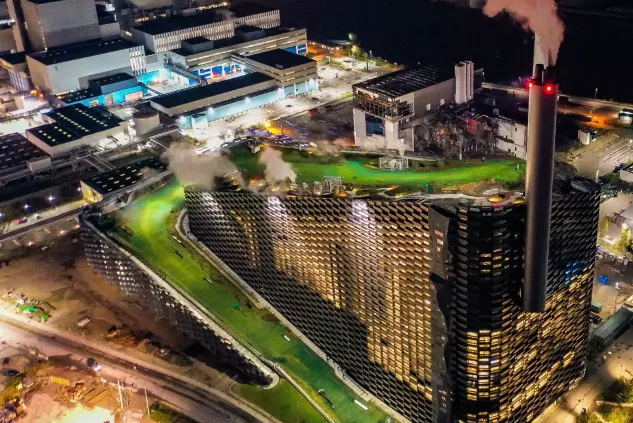
As energy infrastructure becomes increasingly visible in cities, its design is emerging as an important urban issue. From painted cooling towers to multi-functional facilities like Copenhagen’s CopenHill, cities are rethinking how power plants and industrial systems can be integrated into the urban environment and public life.
Read MoreIndustrial Infrastructure Design: How Cities Are Reimagining Power Plants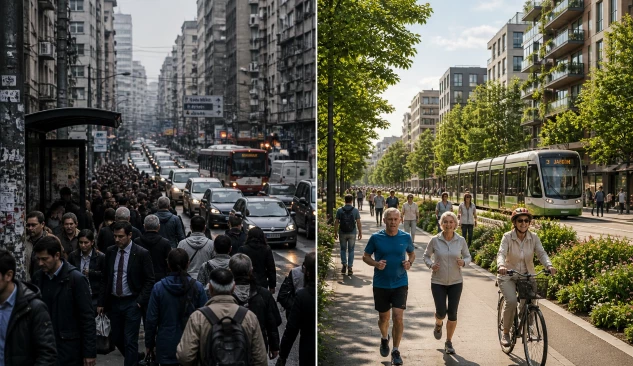
As populations age, urban competitiveness is increasingly shaped by health, longevity, and the ability to keep people active and productive throughout longer lives. This article examines how longevity cities could transform demographic challenges into a new source of economic advantage.
Read MoreFrom Smart to Longevity Cities: Rethinking Urban Competitiveness
Abstract: As the global economy shifts toward a net-zero future, the demand for "green" expertise is outstripping academic supply. This article analyzes the educational landscape in Europe and the UK, distinguishing between specialized and integrated programs to help students build a strategic foundation for their professional future.
Read MoreThe Green Passport: A Comprehensive Guide to Sustainable Development Education in Europe and the UK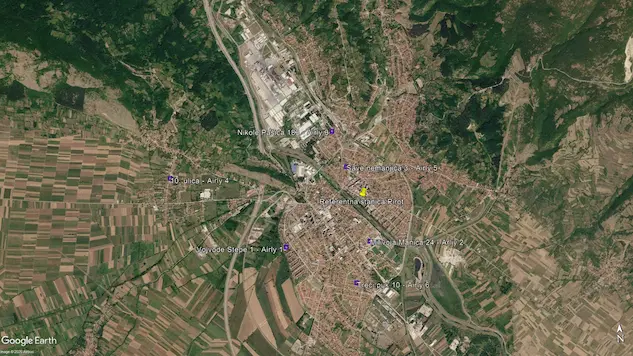
Low-cost sensors are increasingly reshaping air quality monitoring by enabling denser and more affordable data collection in urban environments. The article examines their reliability, compares them with reference stations, and explores how integrated monitoring systems can support more effective public health and urban policy decisions.
Read MoreCan Low-Cost Technology Fill the Gaps in Air Quality Monitoring?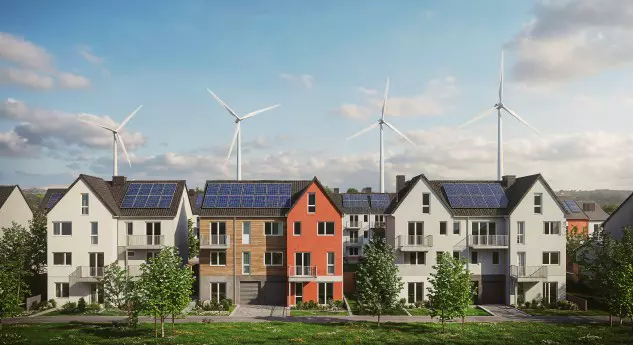
This article examines how EU-funded urban energy projects are implemented in practice, comparing their approaches, results and limitations. It explores what these initiatives actually deliver and how relevant they are for cities beyond the EU core, including the Western Balkans.
Read MoreBeyond Positive Energy Districts: What EU Urban Energy Projects Deliver
This study investigates the extent and structural factors contributing to Air Pollution in Skopje, particularly during the winter seasons of 2025 and 2026, when pollution levels exceeded critical limits. The study emphasizes the interaction between old-fashioned heating methods, transportation emissions, industries, and geographic constraints that have made Skopje one of the world’s most polluted cities.
In addition, the paper explores the adverse impacts on public health and reviews current policy measures, noting their shortcomings. Finally, the study proposes a number of systematic strategies essential for improving the air quality situation in Skopje.
Read MoreAir Pollution in Skopje: Causes, Consequences and Path to Solutions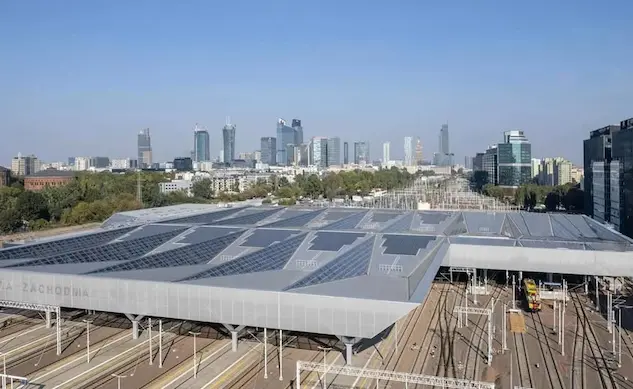
This article explores how Local Energy Security is reshaping energy systems in Central and Eastern Europe. It highlights the growing role of cities in driving renewable energy adoption, improving resilience, and navigating governance constraints. Case studies from Warsaw, Prague, and Ljubljana illustrate both progress and structural challenges.
Read MoreLocal Energy Security in Central and Eastern Europe: The Urban Energy Shift
This article examines whether current smart city models are sufficient to address the complex challenges of climate change, biodiversity loss, and urban resilience. While cities increasingly adopt data-driven technologies to optimise infrastructure and services, these systems often overlook ecological processes and living systems that are critical to long-term sustainability.
Read MoreAre Smart Cities Smart Enough? Beyond the Dashboard