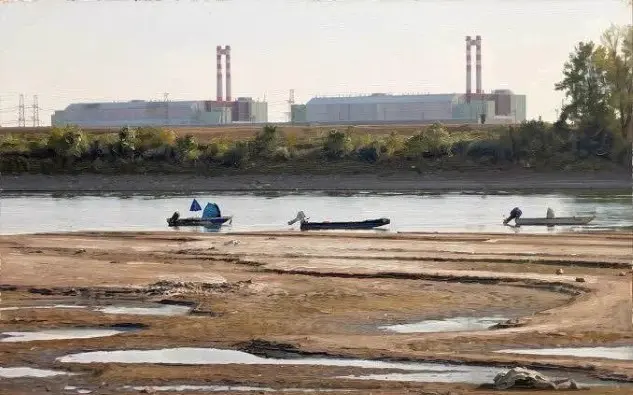
Europe's record-low river levels in the summer of 2026 disrupted far more than navigation, affecting power generation, transport, tourism and industrial supply chains. The events reveal why rivers should be viewed not only as natural landscapes but also as critical infrastructure essential to urban resilience.
Read MoreLow River Levels and Urban Resilience: Europe’s Hidden Infrastructure Risk
World Cup stadiums are more than sporting venues - they are long-term urban development projects that reshape land use, investment and governance. Their legacy depends not only on architecture or sustainability, but on how they transform the cities and communities around them.
Read MoreWorld Cup Stadiums: Land, Power and the Urban Legacy Beyond Football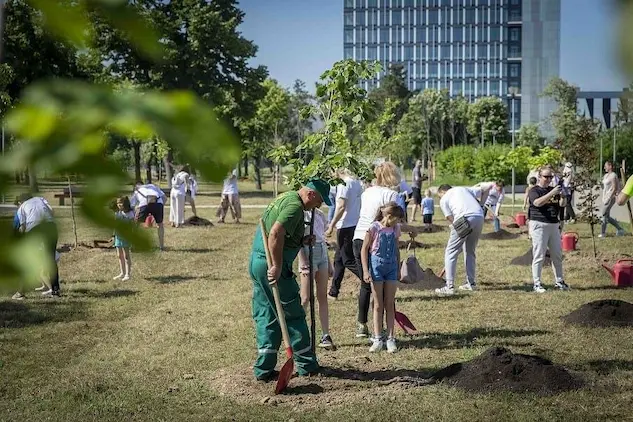
As cities become hotter and more densely populated, trees are no longer just an aesthetic feature but an essential part of urban infrastructure. This article explains why urban tree planting matters for public health, climate adaptation and community engagement, while introducing Serbia's "Plant Your Shade" initiative.
Read MoreUrban Tree Planting: A Community Solution for Healthier Cities
Artificial intelligence is no longer just a digital technology. It is becoming a powerful force reshaping energy investment, electricity infrastructure and regional competitiveness, creating new opportunities for the Western Balkans in the emerging AI economy.
Read MoreAI Data Centres and the Energy Transition: How Artificial Intelligence Is Reshaping Energy Investment
This article explores why sustainable product design is about making informed design decisions rather than simply selecting environmentally friendly materials. Through lifecycle thinking and case studies from Fairphone and IKEA, it demonstrates how design, business models, and circular strategies can reduce environmental impact while creating long-term value.
Read MoreSustainable Product Design: Beyond Material Choice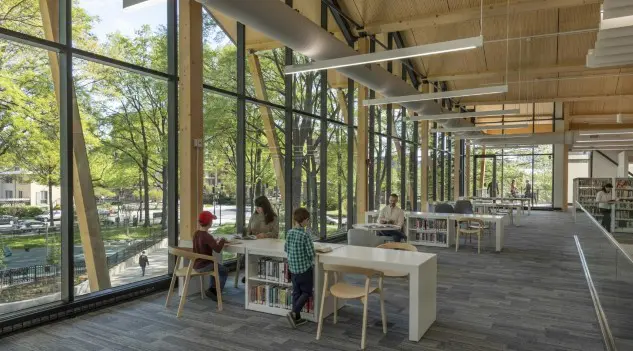
Modern libraries have evolved far beyond their traditional role, becoming essential institutions that support education, digital inclusion, AI literacy, and community resilience. This article explores how libraries contribute to the Sustainable Development Goals through lifelong learning, equitable access to information, and partnerships that strengthen sustainable development.
Read MoreLibraries and Sustainable Development: How Libraries Support the Sustainable Development Goals
Urban heat resilience strategies increasingly rely on digital tools, heat mapping, and building performance models, yet trees remain largely excluded from the systems used to guide investment and regulatory decisions. This article examines why urban forests continue to be treated as contextual elements rather than critical cooling infrastructure, despite extensive evidence of their thermal, social, and public health benefits. It argues that integrating tree canopy data into urban heat resilience planning is essential for equitable and effective climate adaptation.
Read MoreThe tree in the machine: Why urban heat resilience planning still can’t see the tree
Sustainable sports events depend on far more than emissions reductions and operational efficiency. Drawing on international experience, Pierluigi Zacheo examines the role of governance, local partnerships, legacy, and accountability in turning sustainability ambitions into credible long-term results.
Read MoreBeyond Green Claims (Part II): Governance, Legacy and Trust in Sustainable Sports Events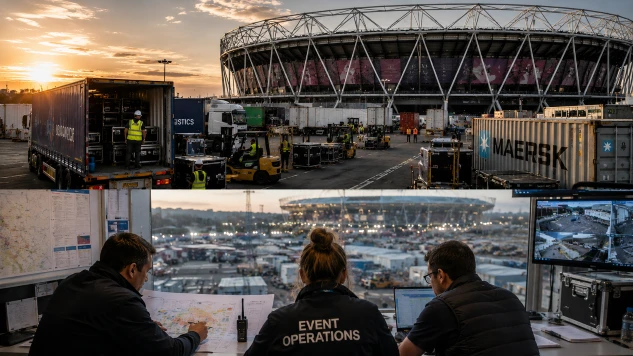
Major sporting events increasingly promote ambitious sustainability goals, yet their greatest environmental impacts often remain hidden within complex operational systems. Drawing on examples from Formula E, Formula 1, the Olympic Games, and other international events, Pierluigi Zacheo explores why transport, logistics, procurement, governance, and planning decisions ultimately determine whether sustainability commitments translate into real-world results.
Read MoreBeyond Green Claims (Part I): The Operational Reality of Sustainable Sport Events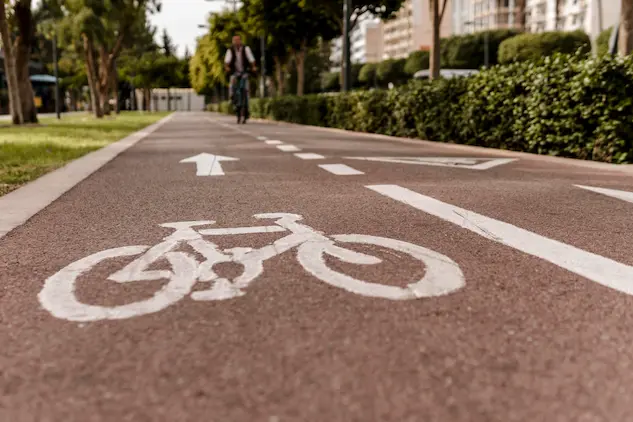
World Bicycle Day is more than a celebration of cycling; it is a reminder of the growing importance of urban cycling infrastructure in shaping sustainable cities. From Paris and London to the Western Balkans, investments in protected bike lanes are improving air quality, reducing congestion, and making active mobility a realistic transport option.
Read MoreWorld Bicycle Day: Why Urban Cycling Infrastructure Is Becoming Essential for Modern Cities