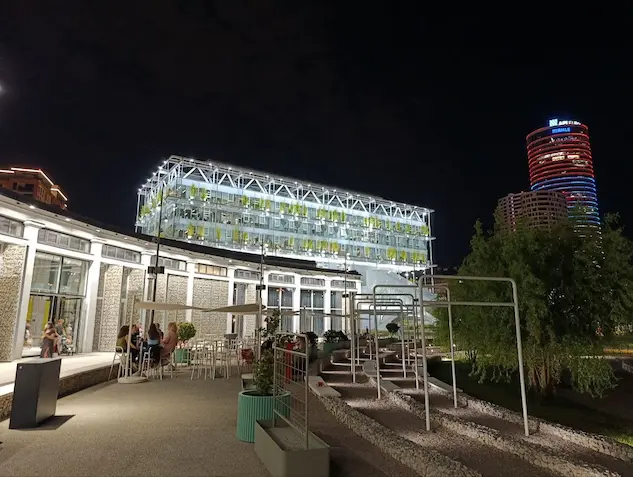
Urban regeneration in the Balkans is reshaping cities through municipal funding, European grants and private investment. Four projects in Sofia, Thessaloniki, Belgrade, and Athens show how urban value is created, who benefits, and who bears the long-term costs.
Read MoreUrban Regeneration in the Balkans: Who Pays, Who Benefits?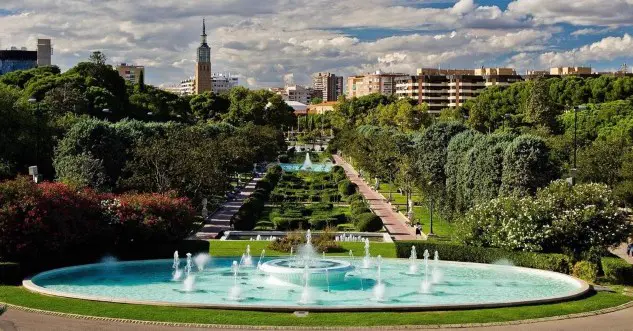
Europe's 2028 green city winners and finalists offer practical insights into sustainable urban development, from acoustic planning and water management to industrial cooperation and cleaner heating. Five cities show how environmental policies are implemented, what results have been achieved and which challenges remain.
Read MoreEuropean Green Cities: Five Urban Lessons Worth Learning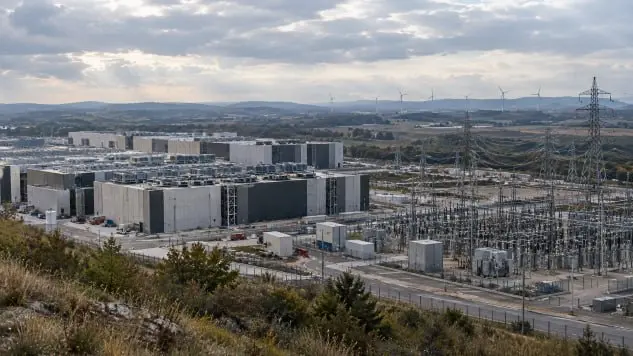
AI is changing Europe’s data centre geography as access to power, grid capacity and scalable land becomes increasingly important for new projects. Southeast Europe is emerging as one of the regions where these infrastructure conditions are beginning to converge.
Read MoreAI Data Centre Infrastructure: How AI Is Redrawing Europe’s Digital Map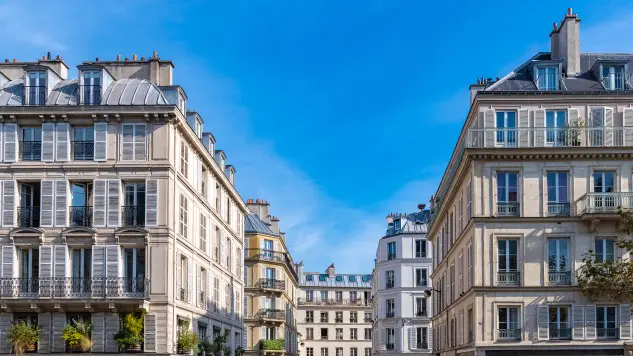
Paris is tackling its housing crisis not only by building more homes, but by changing how the existing housing stock is used. From vacancy taxes and tourist-rental restrictions to office conversions and public acquisitions, its experiment asks how far a city can regulate housing use without undermining the private rental market.
Read MoreParis Housing Policy: Can the City Unlock the Homes It Already Has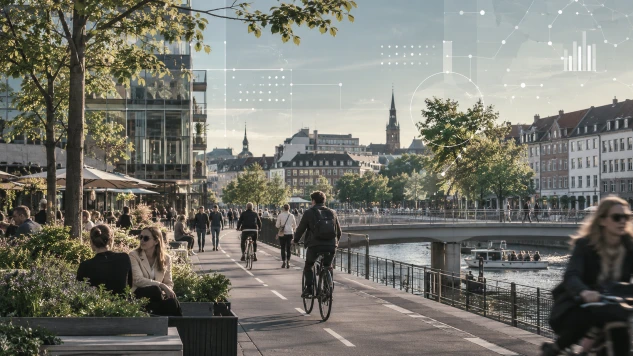
The Happy City Index 2026 ranks 250 cities using 64 indicators, but does it actually measure happiness? New Polis examines the methodology and compares the ranking with residents’ own assessments of urban life, revealing where the two perspectives align and where they diverge.
Read MoreHappy City Index 2026: What Does It Really Measure?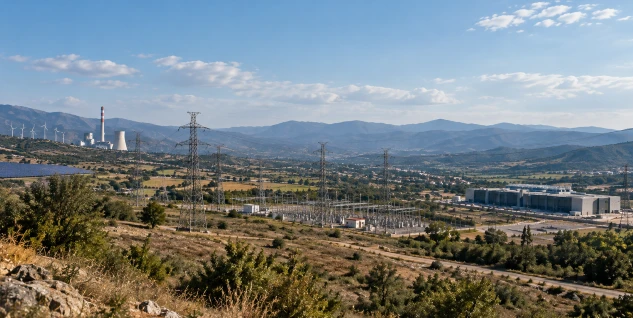
For a new data centre or industrial project, having enough electricity in the national power system is only the beginning. New Polis examines whether Balkan grids can deliver 100 MW where it is needed, how transparency affects investment decisions, and why flexibility is becoming the next test.
Read MoreThe Missing 100 MW: Why Balkan Grid Readiness Is Becoming an Investment Bottleneck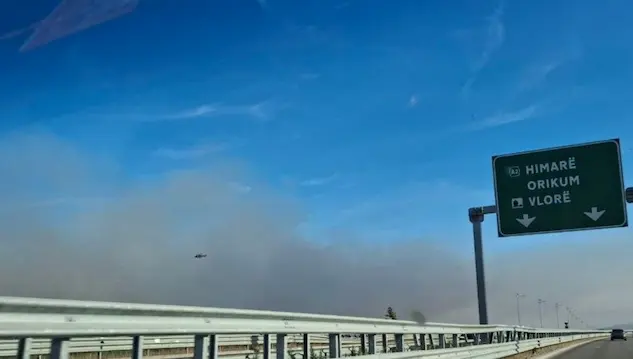
Europe’s 2026 wildfire season shows how heat, drought and extreme weather are reshaping wildfire risk across the continent. From Spain and France to the Balkans, the growing costs point to an urgent need for fire-resilient landscapes and stronger prevention
Read MoreWildfire Risk in Europe: What the 2026 Fire Season Is Really Costing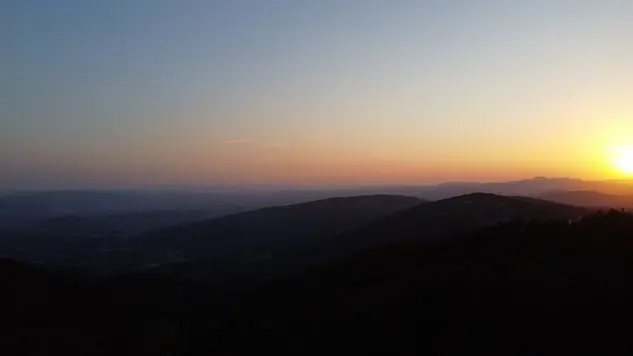
Artificial light at night supports urban safety and mobility, yet excessive and poorly designed lighting affects ecosystems, sleep, energy use and the visibility of the night sky. This article examines the pace of light pollution, its consequences in Europe, and three possible approaches to designing safer and more sustainable urban lighting.
Read MoreUrban Light Pollution: How Cities Can Balance Safety, Nature and the Night Sky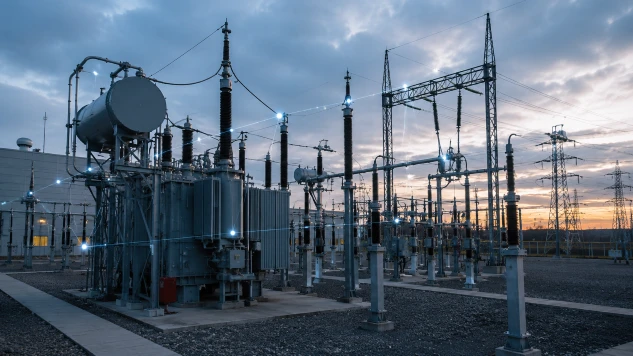
How secure is an energy system increasingly run through software, data and millions of connected devices? This article explores how digitalisation is reshaping energy security, from smart grids and battery storage to cyber resilience, regulation and the vulnerabilities emerging across an increasingly connected power system.
Read MoreDigital Energy, New Vulnerabilities: Why Cyber Resilience Matters for the Energy Transition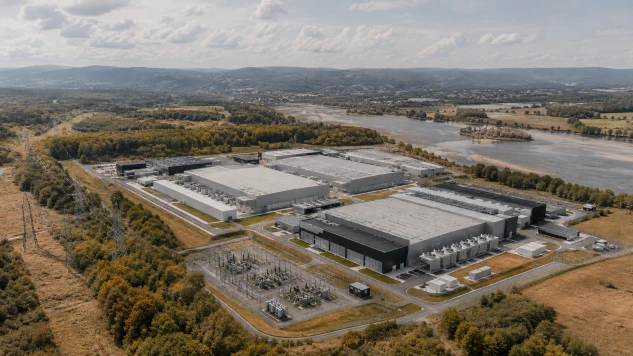
AI may seem weightless and digital, but its rapid expansion depends on increasingly resource-intensive infrastructure. Drawing on new research from UNU-INWEH and the IEA, this article looks beyond carbon emissions to explore how the AI boom is reshaping demand for energy, water and land, and why these pressures are becoming an issue for infrastructure planning.
Read MoreThe Environmental Impact of AI: Energy, Water and Land Behind the Digital Boom