
As the Western Balkans gradually aligns with European standards in construction and energy efficiency, sustainable architecture is becoming a more visible and increasingly unavoidable part of architectural practice. At the same time, the pace of change across the region remains uneven, shaped by local market conditions, investment priorities, and regulatory frameworks.
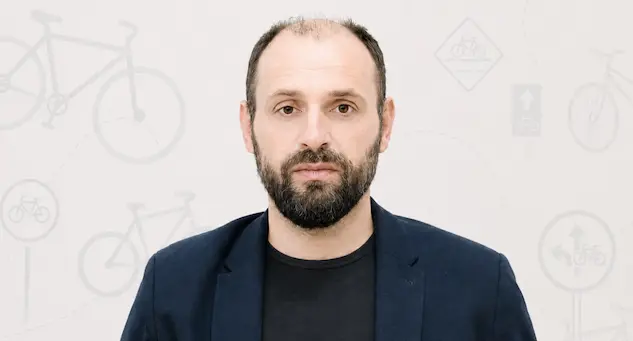
Against this backdrop, the ArchyEnergy 2026 conference, taking place in Novi Sad, brings together key stakeholders from across the region to discuss how sustainable design, materials, and technologies are being applied in practice. In this interview, we speak with Predrag Rađen, founder of ArchyEnergy and editor-in-chief of the magazines “Grenef,” “Podovi,” and “Prozori+Vrata,” about the role of the platform, the challenges facing the industry, and what needs to happen to ensure more consistent progress in sustainable construction across the Western Balkans.
The big picture
In recent years, sustainability has become a central topic in architecture and construction. In your view, what is driving this shift today?
This shift is primarily driven by climate change and the growing need to use resources more responsibly. At the same time, regulations are becoming stricter, and investors are increasingly aware of the long-term savings that sustainable construction can deliver. Technological progress is also playing an important role, making solutions more efficient and accessible. Finally, end users themselves are becoming more demanding, looking for healthier and higher-quality spaces to live and work in.
ArchyEnergy as a platform
ArchyEnergy has grown into an important regional platform at the intersection of architecture, energy efficiency, and construction. What gap did you originally aim to fill with this event?
ArchyEnergy was created out of the need to bring all key players together in one place, architects, engineers, investors, and manufacturers. What was missing was a platform that goes beyond a traditional exhibition format and also offers space for learning and discussion. Our goal was to create an environment for exchanging knowledge and real-world experience. That combination of theory and practice has proven to be essential.
The 2026 edition is announced as the largest so far. What will be different this year compared to previous editions, and what new topics or formats can participants expect?
This year, we are taking the event to the next level, both in terms of scale and the quality of content. The exhibition area has expanded from 600 to 1,000 square meters, with around 60 premium brands from the construction industry taking part. There will be more panels, expert talks, and case studies coming directly from practice. We are placing special focus on topics such as glass, materials of the future, and the integration of smart systems. We are also introducing more dynamic discussion formats to make the audience more actively involved.
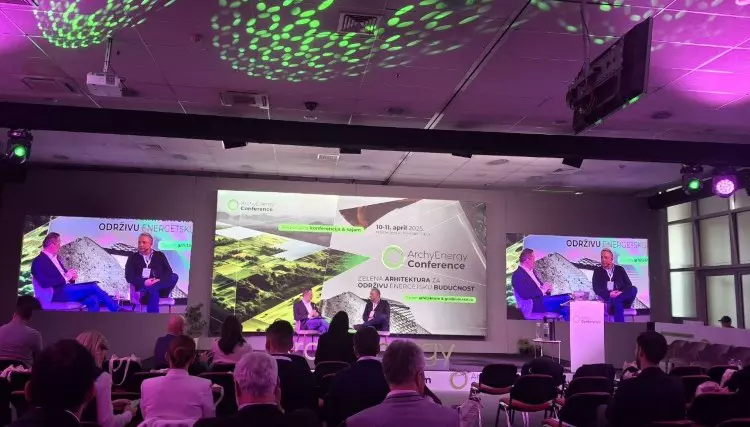
ArchyEnergy brings together architects, investors, and technology providers. What kind of conversations or outcomes do you hope to see emerge from this year’s event?
Our goal is to encourage open and practical conversations that can lead to real projects and collaborations. It is important for us that architects better understand technological possibilities, while manufacturers gain a clearer view of what designers actually need. I expect these exchanges to lead to new ideas and partnerships. In the long run, we want to contribute to raising standards across the entire industry.
Architecture and sustainability
Architecture today is expected to balance aesthetics, functionality, and sustainability. From your perspective, what are the biggest challenges in achieving this balance?
The biggest challenge is aligning investor budgets with high standards of sustainability and design. Sustainable solutions are still often seen as an added cost rather than an investment. Another issue is the lack of interdisciplinary collaboration, which can make it harder to achieve the best results. The key is to involve all relevant disciplines early in the design process.
In your experience, which building elements are most underestimated when it comes to long-term energy performance?
One of the most underestimated elements is glass, windows, and building openings in general, as well as façade systems. Their quality has a direct impact on a building’s energy performance and user comfort. Ventilation systems and execution details also play a crucial role over time. Small mistakes in design or construction can lead to significant long-term consequences.
What key trends are currently shaping sustainable architecture in the region, particularly in terms of materials, technologies, and design approaches?
There is a growing focus on the use of local and natural materials, as well as their recycling. Smart building management systems are becoming standard rather than a luxury. We are also seeing more integration of energy-efficient solutions from the very early stages of design. Architecture is increasingly being viewed through the lens of the building’s entire life cycle.
Regional context: Serbia and the Western Balkans
How would you describe the current state of sustainable construction in Serbia and the Western Balkans? Are we seeing real progress?
Progress is visible, but it is still not at the level of more developed European countries. There is a growing number of high-quality projects that follow modern standards. However, this progress is not yet systemic or evenly distributed. More education and clearer regulations are still needed.
What are the main barriers slowing down the adoption of energy-efficient and sustainable solutions in the region?
The main barriers are a lack of information and a short-term mindset among investors. Decisions are often based on initial costs rather than total lifecycle costs. At the same time, the lack of professional education and clear standards slows things down further. That said, the situation is gradually improving.
Why was Novi Sad chosen as the host city for ArchyEnergy, and what makes it a relevant place today for discussions on sustainable architecture and construction?
Novi Sad proved to be a natural choice because of its openness to innovation and development. The city has a strong architectural and engineering community, as well as good infrastructure connections. The Master Center also offers ideal conditions for hosting an event of this kind. All of this makes Novi Sad a relevant place for a regional dialogue on sustainable construction.
Looking ahead
What will define high-quality and sustainable architecture in the next decade?
The architecture of the future will be defined by the integration of technology, ecology, and social responsibility. The focus will not only be on energy efficiency, but also on the quality of life for users. Buildings will need to be adaptable and sustainable in the long term. The key will be a holistic approach to design.
Read and watch other interviews here