Air Pollution in Skopje: Causes, Consequences and Path to Solutions

Air Pollution in Skopje
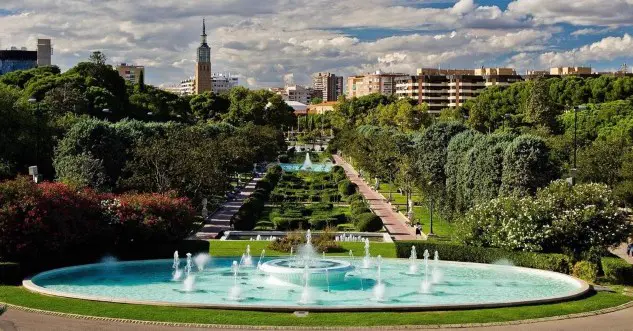
This study investigates the extent and structural factors contributing to Air Pollution in Skopje, particularly during the winter seasons of 2025 and 2026, when pollution levels exceeded critical limits. The study emphasizes the interaction between old-fashioned heating methods, transportation emissions, industries, and geographic constraints that have made Skopje one of the world’s most polluted cities. In addition, the paper explores the adverse impacts on public health and reviews current policy measures, noting their shortcomings. Finally, the study proposes a number of systematic strategies essential for improving the air quality situation in Skopje.
Read MoreAir Pollution in Skopje: Causes, Consequences and Path to Solutions

Urban Future 2026 in Ljubljana: From Ideas to Implementation

Urban Future 2026 in Lubljana
Urban Future 2026 in Ljubljana brought together more than 2,000 urban practitioners to discuss how cities can move from ideas to real implementation. The conference highlighted practical approaches across governance, AI, circularity and energy, with a strong focus on collaboration, experimentation and learning from experience.
Read MoreUrban Future 2026 in Ljubljana: From Ideas to Implementation

Cycling Advocacy in Europe: How the European Cyclists’ Federation Is Shaping the Future of Urban Mobility

European Cyclists' Federation
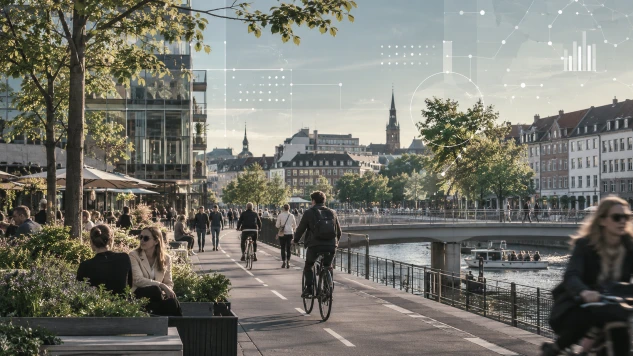
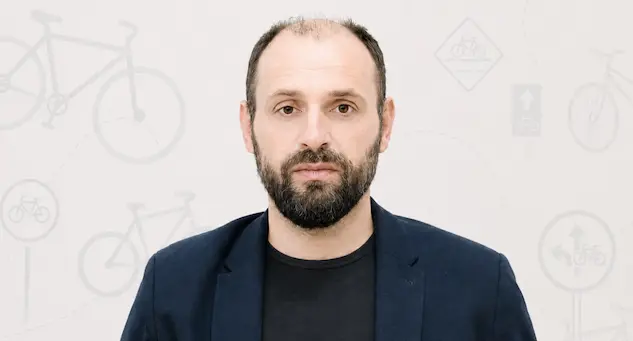
In this interview, Henk Swarttouw, President of the European Cyclists' Federation, shares insights on the future of cycling in Europe and beyond. He discusses the role of cycling in sustainable urban mobility, the challenges of building a pan-European cycling network, and practical steps to accelerate change. The conversation also highlights actionable recommendations for cities with low cycling levels.
Read MoreCycling Advocacy in Europe: How the European Cyclists’ Federation Is Shaping the Future of Urban Mobility

Are Smart Cities Smart Enough? Beyond the Dashboard

smart-cities-smart-enough
This article examines whether current smart city models are sufficient to address the complex challenges of climate change, biodiversity loss, and urban resilience. While cities increasingly adopt data-driven technologies to optimise infrastructure and services, these systems often overlook ecological processes and living systems that are critical to long-term sustainability.
Read MoreAre Smart Cities Smart Enough? Beyond the Dashboard

The End of Ultra-Cheap Solar? What Rising Module Prices Mean for Urban Solar Energy

Urban solar modules
For more than a decade, falling solar panel prices fueled the rapid expansion of urban solar energy. Now costs may begin to rise. This article explores what a potential 20–30% increase in module prices could mean for cities, municipal budgets, and future energy planning.
Read MoreThe End of Ultra-Cheap Solar? What Rising Module Prices Mean for Urban Solar Energy

Urban Future 2026 in Ljubljana: Why City Change-Makers Need Action, Not Just Ideas

Urban Future 2026 in Ljubljana
Urban transformation requires more than ambitious strategies, it demands communities of practitioners willing to test ideas, share failures, and act. In this interview, Gerald Babel-Sutter explains how Urban Future 2026 in Ljubljana aims to empower city leaders to turn knowledge into real change.
Read MoreUrban Future 2026 in Ljubljana: Why City Change-Makers Need Action, Not Just Ideas

Gender-Responsive Urban Planning: Why Cities Must Work for Women

Gender-Responsive Urban Planning
The article considers how the infrastructure of the city often demonstrates gender disparities that may be present in the urban landscape. From gender-responsive facilities to transportation safety, many elements of urban space continue to serve men better than women. This article discusses the possibilities of gender-sensitive urban planning, taking into account examples from Vienna, Barcelona, and Seoul.
Read MoreGender-Responsive Urban Planning: Why Cities Must Work for Women
×