Digital construction is becoming increasingly important for the future of smart cities, yet the industry continues to lag behind other sectors in digital transformation. The article explores how fragmented systems, limited building data and slow standardization are affecting urban sustainability, renovation strategies and the development of data-driven cities.
Read MoreDigital Construction and the Future City: Where the Industry Stalled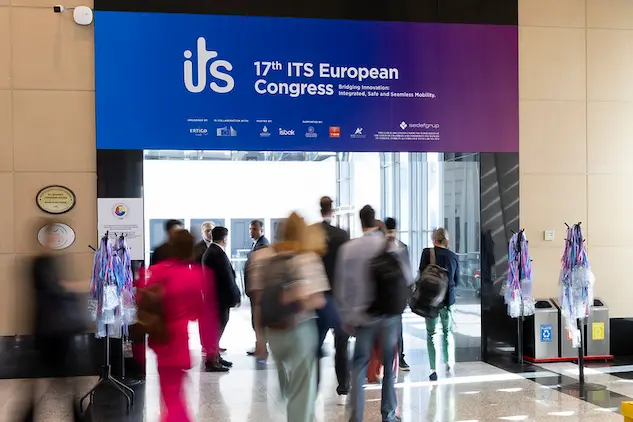
The 17th ITS European Congress in Istanbul demonstrated how intelligent transport systems are moving from pilot projects to large-scale deployment. Bringing together policymakers, telecom leaders, transport operators, and mobility innovators, the congress highlighted the growing convergence of AI, connectivity, multimodal transport, and sustainable urban infrastructure.
Read MoreITS European Congress 2026: Bridging Innovation for Smart and Seamless Mobility in Istanbul
Predrag Rađen, founder of ArchyEnergy, discusses the growing role of sustainable architecture and energy efficiency in the Western Balkans. In this interview, he reflects on regional construction trends, industry challenges, and the evolving role of platforms like ArchyEnergy 2026 in shaping more sustainable building practices.
Read MoreInterview with Predrag Rađen: Rethinking Sustainable Architecture and Energy Efficiency
As populations age, urban competitiveness is increasingly shaped by health, longevity, and the ability to keep people active and productive throughout longer lives. This article examines how longevity cities could transform demographic challenges into a new source of economic advantage.
Read MoreFrom Smart to Longevity Cities: Rethinking Urban Competitiveness
Zhengzhou, Henan province has transformed from a traditional transport hub into a leading smart city. Driven by its "city brain," it uses data integration to enhance governance, traffic, and public services, offering a pragmatic, application-driven model for urban digitalization. The article is provided by our media partner 7ITSNEWS.
Read MoreThe Most Underestimated “Digital Brain” in Central China: Is Zhengzhou’s Smart City Already This Impressive?
This article explores how Vehicle-Road-Cloud Integration is evolving from pilot projects to large-scale urban systems, based on developments in China’s leading cities. It highlights key challenges, emerging business models, and what this shift could mean for the future of smart mobility and urban infrastructure.
Read MoreWhere Is Vehicle-Road-Cloud Integration Headed in 2026?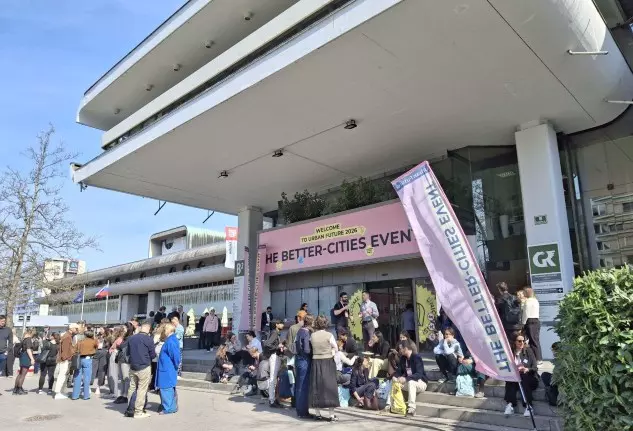
Urban Future 2026 in Ljubljana brought together more than 2,000 urban practitioners to discuss how cities can move from ideas to real implementation. The conference highlighted practical approaches across governance, AI, circularity and energy, with a strong focus on collaboration, experimentation and learning from experience.
Read MoreUrban Future 2026 in Ljubljana: From Ideas to Implementation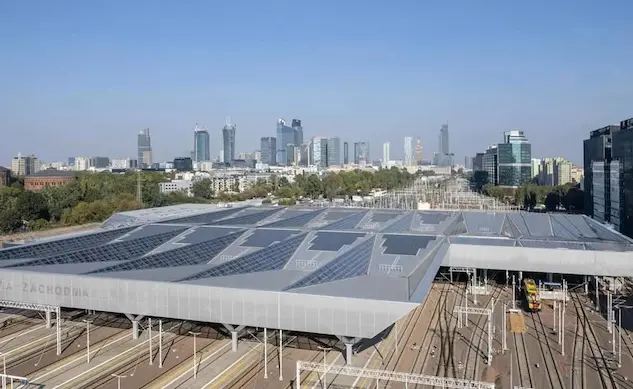
This article explores how Local Energy Security is reshaping energy systems in Central and Eastern Europe. It highlights the growing role of cities in driving renewable energy adoption, improving resilience, and navigating governance constraints. Case studies from Warsaw, Prague, and Ljubljana illustrate both progress and structural challenges.
Read MoreLocal Energy Security in Central and Eastern Europe: The Urban Energy Shift
This article examines whether current smart city models are sufficient to address the complex challenges of climate change, biodiversity loss, and urban resilience. While cities increasingly adopt data-driven technologies to optimise infrastructure and services, these systems often overlook ecological processes and living systems that are critical to long-term sustainability.
Read MoreAre Smart Cities Smart Enough? Beyond the Dashboard
Urban transformation requires more than ambitious strategies, it demands communities of practitioners willing to test ideas, share failures, and act. In this interview, Gerald Babel-Sutter explains how Urban Future 2026 in Ljubljana aims to empower city leaders to turn knowledge into real change.
Read MoreUrban Future 2026 in Ljubljana: Why City Change-Makers Need Action, Not Just Ideas