GIS in Serbia is becoming a crucial tool for sustainable urban planning and evidence-based governance. By integrating spatial data, policymakers can monitor environmental quality, improve resource allocation, and enhance transparency. Case studies from Pančevo, Belgrade, and Novi Sad show how GIS supports pollution management, citizen participation, and energy transition. With proper investment in data infrastructure and skills, Serbian cities can align with European sustainability goals while ensuring healthier communities.
Read MoreGIS in Serbia: A Policy Tool for Smart Cities and Sustainable Development
Artificial intelligence is transforming smart cities by optimizing mobility, energy, safety, and citizen services. From digital twins to predictive analytics, AI in smart cities enables more adaptive and sustainable urban systems. Yet its success depends on addressing challenges and ethical considerations to build trust and accountability.
Read MoreAI in Smart Cities: How Artificial Intelligence Transforms Urban Life
Helsinki and Tallinn joined forces to build a cross-border smart city ecosystem that bridges innovation and sustainability. Through the EU-funded FinEst Twins project, the cities piloted real-world solutions for clean energy, data, mobility, and healthcare. This model shows how collaboration across borders can scale urban resilience and improve quality of life worldwide.
Read MoreCross-Border Smart City Ecosystem: How Helsinki and Tallinn Built a Shared Future
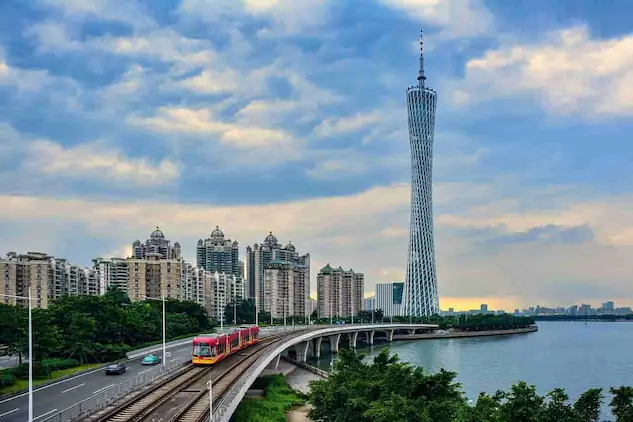
Guangzhou has pioneered the Mixed Traffic Lane Mode as an innovative response to rising electric bicycle use and limited road space. By merging motorized and non-motorized traffic within designated lanes, the model improves traffic order, enhances safety, and optimizes urban mobility. Early results from pilot projects show reduced congestion, safer conditions, and more efficient use of road resources, positioning this approach as a scalable solution for dense urban environments.
Read MoreGuangzhou’s Innovative Practice: The Mixed Traffic Lane Mode
As cities strive to become carbon neutral and resilient to climate effects carbon neutral, AI can play a pivotal role in driving this transformation. This article explores the dual nature of sustainable AI for cities — both as a tool for solving sustainability challenges and as a system that must itself be ethical and sustainable by design.
Read MoreSustainable AI for Cities: Strategic Priorities, Challenges, and Long-Term Impact
The integration of China’s highway infrastructure with the growing low-altitude economy offers a cost-effective way to expand transport capacity. By converting underused service areas into drone hubs, upgrading navigation systems, and coordinating energy networks, the model can improve logistics efficiency, strengthen emergency response, and reduce emissions. This approach promises significant economic returns and social value, provided that policy, technology, and community engagement advance in step. The article is provided by our media partner 7ITSNEWS.
Read MoreIs “Highways and Low-Altitude” a Viable Business Model?
As part of our partnership with the Smart Building and Sustainability Leaders Forum, we spoke with Geoff Archenhold, Chair and Co-Founder of the event, to discuss the Forum’s unique approach to driving practical change in the built environment sector. Set to take place next month, the SBS Forum has quickly gained recognition as a vital platform for cross-sector collaboration on smart and sustainable buildings. In this interview, Geoff shares the vision behind the Forum, the challenges it aims to address, and why bridging the gap between technology, policy, and real-world implementation is more urgent than ever.
Read MoreSetting the Stage for Change: The Vision Behind the Upcoming SBS Leaders Forum
How accessible is your neighborhood, really? In this interview, researcher Vasileios Milias shares how CThood is redefining urban equity through open data and visual tools.
Read MoreMapping Equitable Access to the City with CThood: Interview with Vasileios Milias.
Bloomberg Adria Serbia: Sustainable Strategies brought together leaders from business, finance, and government to explore practical pathways to climate action. From green finance and energy-efficient AI to ESG-driven urban mobility, the event showed that sustainability is now a strategic, not symbolic, priority.
Author: Semyon Gudkov, Sustainability Analyst and Founder of the NGO Pulse Urban Alliance
Read MoreFuture-Proofing the Region: Insights from Bloomberg Adria Serbia
The article explores how cities are fighting extreme heat with inclusive design, smart innovation, and climate justice to build cooler, healthier urban futures for all
Read MoreUrban Heat Adaptation in Action: Cool Cities for All