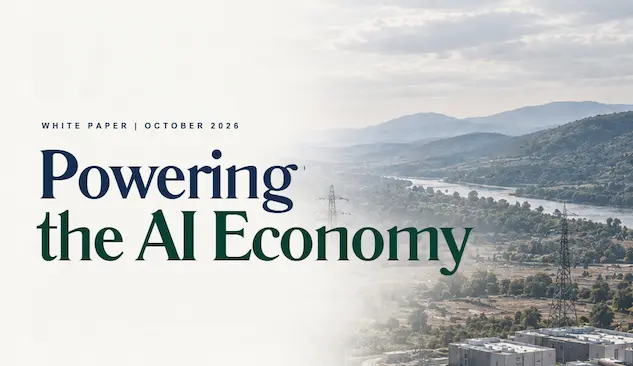
Artificial intelligence is reshaping the geography of data centre investment as access to reliable power, grid capacity, land and connectivity becomes increasingly critical. This analysis examines where Southeast Europe could support the next generation of large scale AI data centre infrastructure.
Read MoreAI Data Centres: How Power Is Redrawing Southeast Europe’s Digital Map
Granada is positioning artificial intelligence as a key tool for urban innovation, with iQuantum providing a real-world environment to test, demonstrate and scale AI solutions for cities. In this partner interview, Vito Episcopo, Deputy Mayor of Granada, discusses the city’s AI strategy, its innovation ecosystem, and opportunities for collaboration between European cities.
Read MoreFrom Granada to Every European City: iQuantum, Built to Test and Scale Urban Innovation Across Europe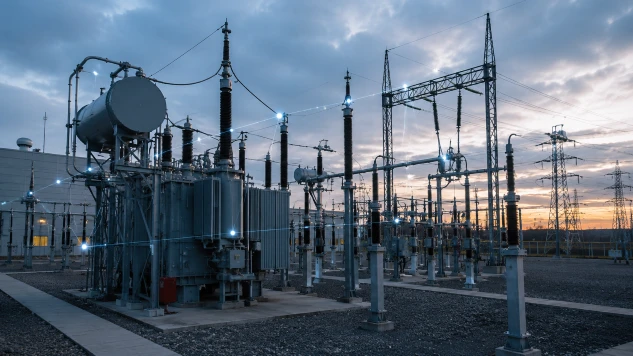
How secure is an energy system increasingly run through software, data and millions of connected devices? This article explores how digitalisation is reshaping energy security, from smart grids and battery storage to cyber resilience, regulation and the vulnerabilities emerging across an increasingly connected power system.
Read MoreDigital Energy, New Vulnerabilities: Why Cyber Resilience Matters for the Energy Transition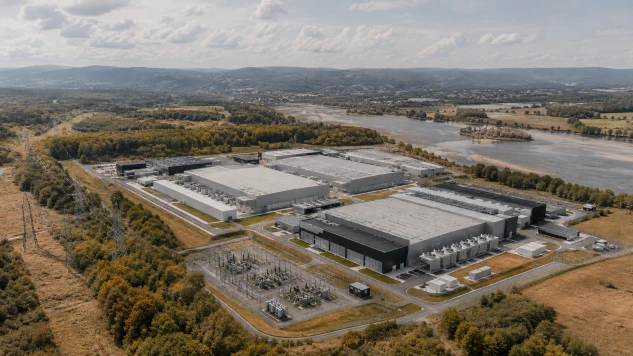
AI may seem weightless and digital, but its rapid expansion depends on increasingly resource-intensive infrastructure. Drawing on new research from UNU-INWEH and the IEA, this article looks beyond carbon emissions to explore how the AI boom is reshaping demand for energy, water and land, and why these pressures are becoming an issue for infrastructure planning.
Read MoreThe Environmental Impact of AI: Energy, Water and Land Behind the Digital Boom
Artificial intelligence is no longer just a digital technology. It is becoming a powerful force reshaping energy investment, electricity infrastructure and regional competitiveness, creating new opportunities for the Western Balkans in the emerging AI economy.
Read MoreAI Data Centres and the Energy Transition: How Artificial Intelligence Is Reshaping Energy Investment
This article explores why sustainable product design is about making informed design decisions rather than simply selecting environmentally friendly materials. Through lifecycle thinking and case studies from Fairphone and IKEA, it demonstrates how design, business models, and circular strategies can reduce environmental impact while creating long-term value.
Read MoreSustainable Product Design: Beyond Material Choice
AI-powered 3D accident reconstruction is transforming traffic accident investigation by improving documentation, evidence management, and operational efficiency. This article explores the technologies presented at CTSE 2026 and their potential role in the future of smart transportation and road safety.
Read MoreHow AI Accident Investigation Is Transforming Road Safety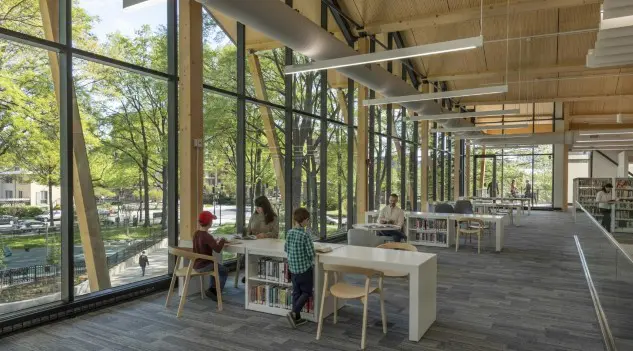
Modern libraries have evolved far beyond their traditional role, becoming essential institutions that support education, digital inclusion, AI literacy, and community resilience. This article explores how libraries contribute to the Sustainable Development Goals through lifelong learning, equitable access to information, and partnerships that strengthen sustainable development.
Read MoreLibraries and Sustainable Development: How Libraries Support the Sustainable Development Goals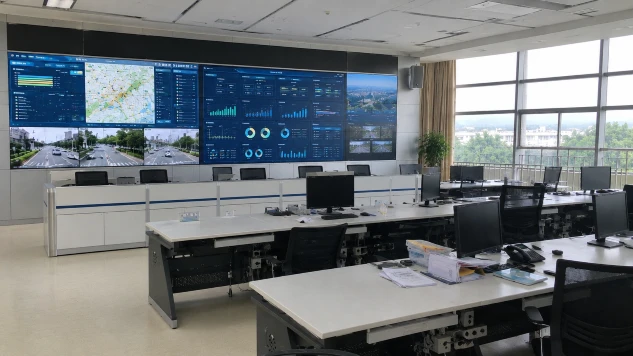
A county-level smart city project in China saw six of its seven sub-projects become idle despite significant public investment. This case study explores how planning gaps, fragmented data systems and governance challenges can undermine even the most ambitious digital infrastructure projects.
Read MoreWhy Smart City Projects Fail: Lessons from an 80-Million-Yuan Digital Infrastructure Project
Sustainable sports events depend on far more than emissions reductions and operational efficiency. Drawing on international experience, Pierluigi Zacheo examines the role of governance, local partnerships, legacy, and accountability in turning sustainability ambitions into credible long-term results.
Read MoreBeyond Green Claims (Part II): Governance, Legacy and Trust in Sustainable Sports Events