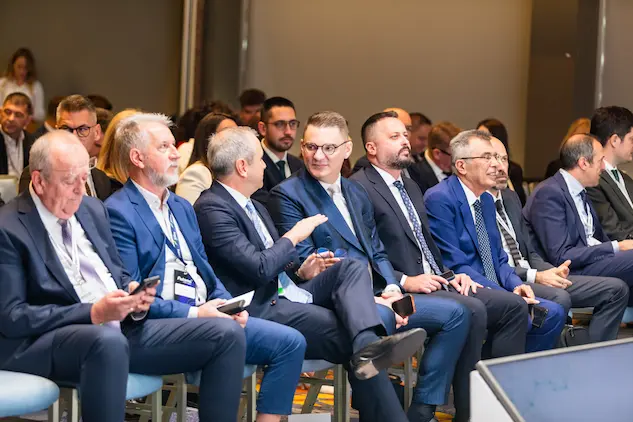
Energy & Investment Days 2026 in Novi Sad, Serbia, brought together energy companies, public institutions, investors and technology experts on 14–15 October. Discussions focused on modernising electricity networks, strengthening energy security and creating the conditions needed to turn regional investment priorities into practical projects across the Western Balkans and Southeast Europe.
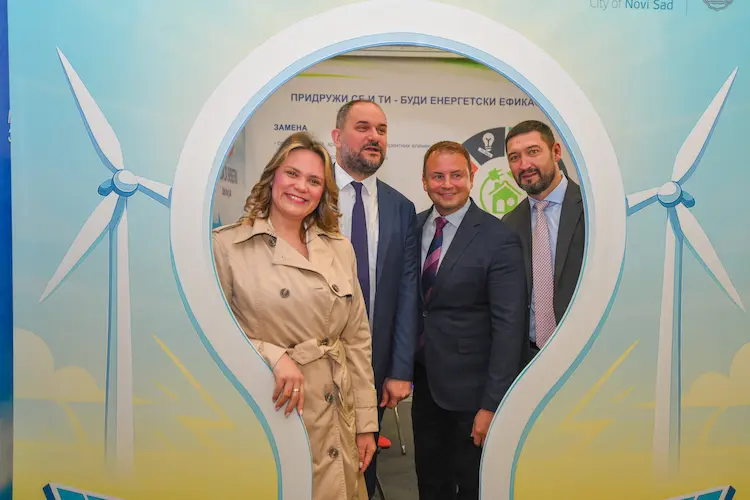
The 15th International Energy & Investment Days took place at the Novi Sad Fair, with representatives of national, provincial and city authorities attending the opening. Among them was Rade Mrdak, Adviser to Serbia’s Minister of Mining and Energy, who emphasised the need to move from energy transition objectives to financially viable projects supported by modern infrastructure, predictable regulation, and better project preparation.
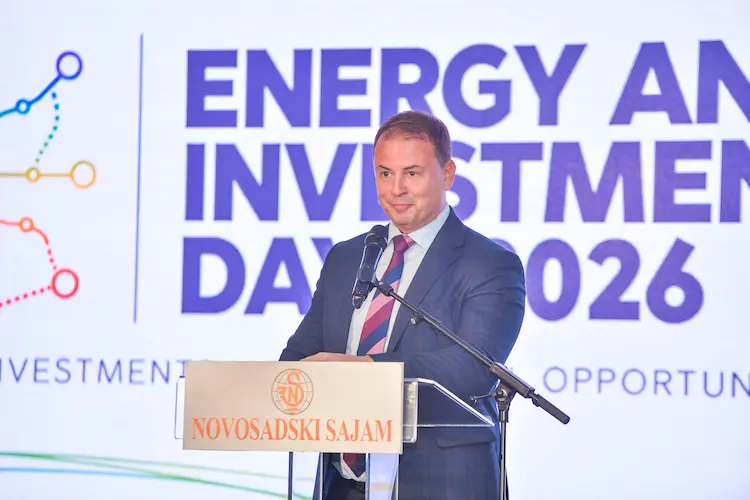
Organised by the Provincial Government of Vojvodina and Novi Sad Fair, with E³ International, Balkan Energy Connect and New Polis as programme partners, the event combined expert discussions with project presentations, an international energy exhibition, startup initiatives and facilitated B2B meetings.
Grid modernisation in the Western Balkans: capacity, flexibility and renewable integration
One of the central discussions at Energy & Investment Days 2026 concerned the ability of electricity networks to accommodate growing renewable generation while maintaining reliability and security.
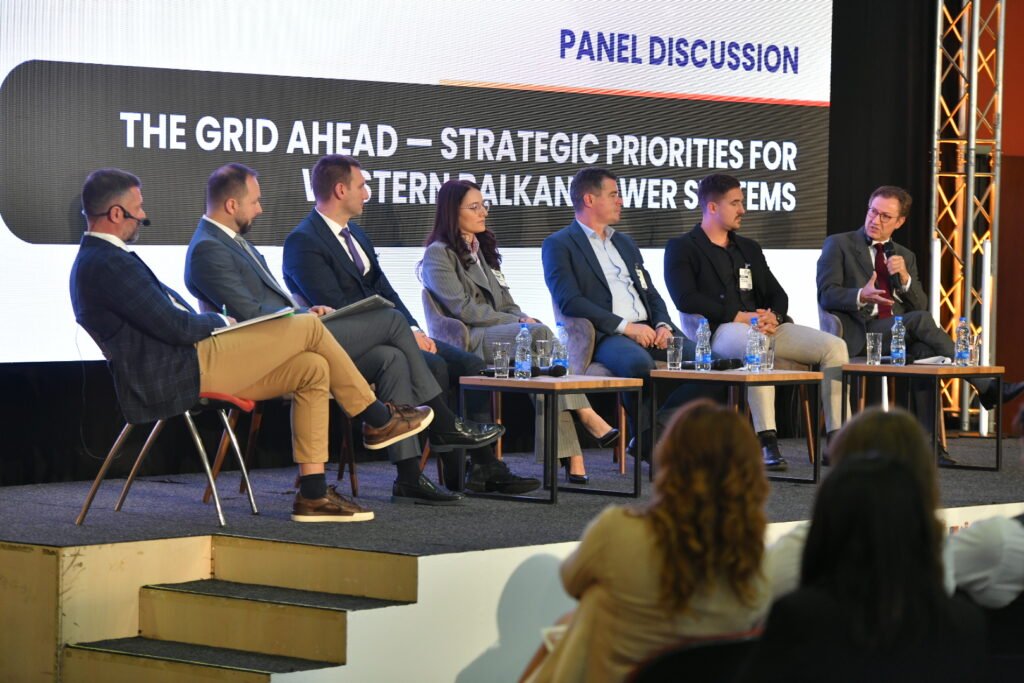
The panel The Grid Ahead – Strategic Priorities for Western Balkan Power Systems, moderated by Marko Gostović of PowerGrid Engineering, brought together representatives of government, transmission and distribution system operators, project developers and technology companies. Participants examined the need for stronger transmission and distribution infrastructure, cross-border connections and more flexible system management. Although Western Balkan countries face different challenges, their electricity systems are increasingly interconnected, making regional coordination essential.
The expansion of solar generation is also changing the traditional relationship between electricity producers and consumers. Households and businesses increasingly generate their own electricity, creating new opportunities for prosumers and distributed energy resources. At the same time, this development places additional demands on distribution networks, which must accommodate more variable and decentralised electricity flows.
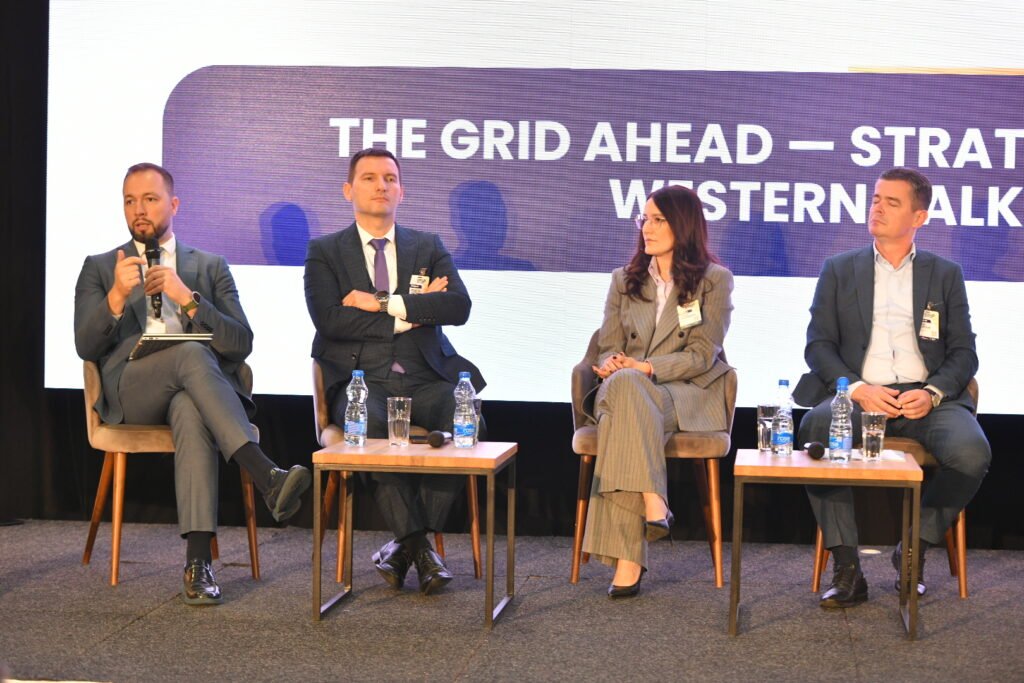
Diego Rodas of Schweitzer Engineering Laboratories (SEL) argued that grid modernisation should be approached as an integrated system rather than a series of individual equipment upgrades. In his reflections after the conference, he highlighted the importance of real-time monitoring, automation, secure communications, intelligent protection systems and cybersecurity. His observations reflected a broader concern raised during the discussion: expanding renewable capacity will bring limited benefits unless the networks connecting producers and consumers can operate reliably under more complex conditions.
Energy storage and improved forecasting were also among the topics discussed. Batteries and other flexibility solutions can help manage fluctuations in renewable generation, while better network analysis can support decisions on where additional capacity can be connected safely and economically. Monitoring, automation and digital management systems can also help operators make more efficient use of existing infrastructure.
For investors, grid access remains a critical consideration. Developers need reliable information about connection conditions, technical limitations, costs and potential risks at an early stage. More transparent procedures and better coordination with network operators can reduce uncertainty and prevent expensive delays. Speakers also addressed practical barriers to infrastructure development, including ageing equipment, investment requirements and shortages of qualified professionals. Better coordination among utilities, regulators, governments and investors will be necessary to overcome these constraints.
The discussion underlined that renewable energy expansion and grid modernisation cannot be treated as separate priorities. Their successful integration requires technical planning, investment, flexibility and cooperation across the region.
Digitalisation and cybersecurity in energy infrastructure
Modernising electricity networks is not only a matter of expanding physical infrastructure. It also requires better information about how power systems operate, faster responses to disturbances and more effective coordination between network components. Participants discussed the growing importance of digital monitoring, automation and intelligent control systems. These technologies allow grid operators to identify potential problems earlier, manage network constraints and respond more effectively to changing operating conditions.
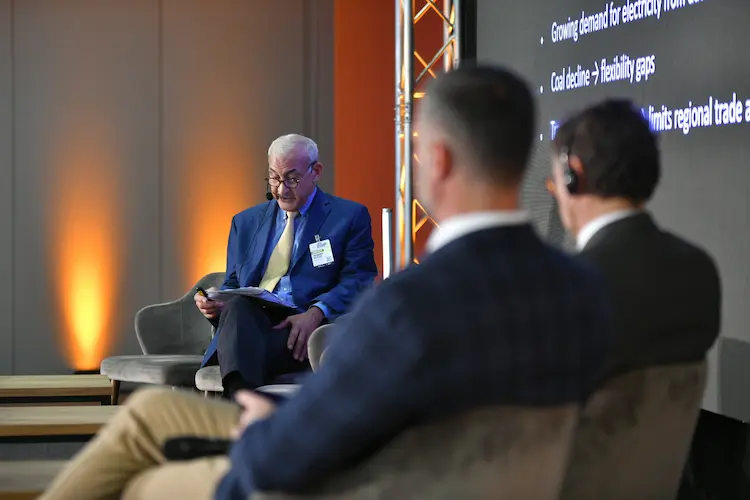
Cybersecurity was another important aspect of grid modernisation. As more devices and control systems become digitally connected, protecting operational technology (OT) is increasingly important. Security therefore needs to be considered from the design stage through everyday operation, rather than added after systems have been deployed.
The programme also included the practical discussion Delivering the Grid Ahead: U.S. Technology and Project Delivery in the Western Balkans, organised and moderated by Robert Russo, who also contributed as a speaker. The session examined how U.S. technologies, engineering expertise and project delivery experience could support grid modernisation and cooperation with regional utilities, institutions and project developers. It also opened a broader conversation about how stronger links with U.S. institutions, companies and investors could support future energy projects in the region.
William Polen, Senior Director at the United States Energy Association (USEA), contributed to the programme through a video address on energy security, investment and the infrastructure needs of the digital economy. His contribution reinforced the value of linking policy, technology and project development more closely as the region prepares for the next generation of energy investments.
Together, these discussions highlighted the importance of treating digitalisation, operational reliability and cybersecurity as interconnected aspects of modern energy infrastructure. They also showed the potential for deeper U.S. – Western Balkans cooperation around technology, project development, commercial partnerships and utility modernisation. Technology can improve the performance of electricity networks, but successful implementation also depends on sound engineering, appropriate investment and cooperation between utilities, institutions and technology providers.
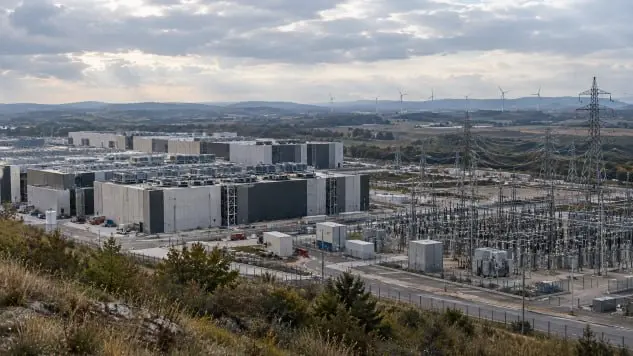
For a closer look at the energy requirements and investment potential of AI data centres across Southeast Europe, explore our research.
Energy infrastructure investment and international cooperation
The second day placed particular emphasis on financing strategic energy infrastructure and the conditions required to transform investment priorities into projects that can actually be delivered. The panel Financing Strategic Energy Infrastructure, moderated by Bonnie Norman, President of E³ International, brought together representatives of Serbian ministries, the European Union, international financial institutions and the private sector. Matthew Andris, Economic Section Chief at the U.S. Embassy in Belgrade, also joined the discussion, adding a U.S. perspective to the conversation on investment, project delivery and the role of international partnerships in bringing strategic energy projects forward.
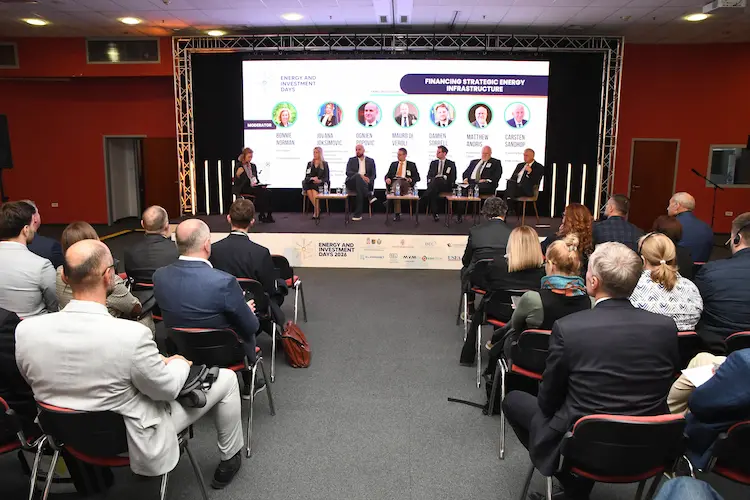
Damien Sorrell, Head of the European Investment Bank’s Regional Representation to the Western Balkans, made an important distinction between the availability of capital and the readiness of projects to attract it. In his reflections following the conference, Sorrell emphasised that financing alone cannot deliver the energy transition. Projects need technical maturity, institutional ownership, sound preparation, predictable regulation and sufficient implementation capacity. He also underlined the importance of regional cooperation. Because electricity networks are interconnected, investments in transmission corridors, grid modernisation, balancing and storage can create greater value when planned across national borders.
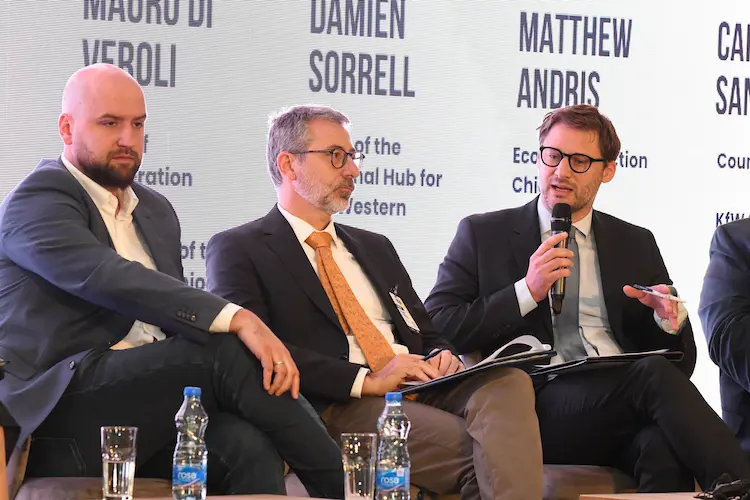
The Trans-Balkan Electricity Corridor was cited as an example of infrastructure whose benefits extend beyond individual countries. Such projects can strengthen energy security while supporting closer integration with the European electricity market. Mauro Di Veroli, Head of Cooperation at the Delegation of the European Union to Serbia, highlighted the importance of cooperation between European institutions, financial organisations and Serbian authorities in addressing energy-sector challenges and supporting Serbia’s European integration.
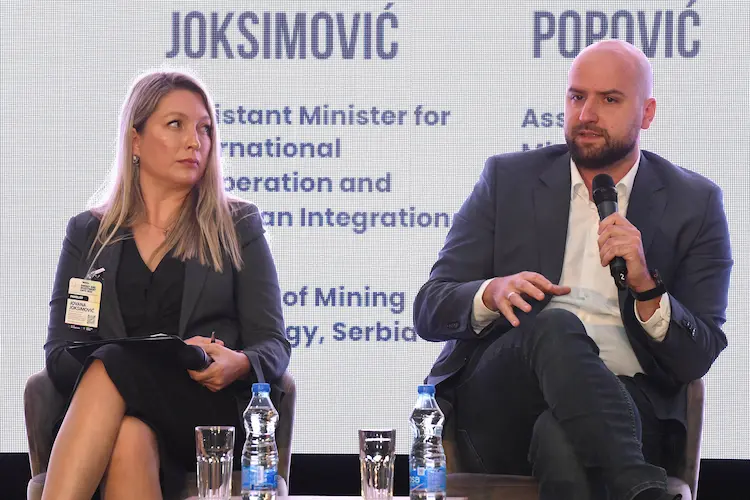
The discussion pointed to a recurring difficulty: ambitious energy strategies do not automatically produce investment-ready projects. Technical assessments, realistic financial models, regulatory clarity and cooperation among project developers, engineers and financiers are needed long before construction begins.
For insights into grid readiness and the energy infrastructure needed to support large electricity consumers, read the white paper here.
From conference discussions to practical cooperation
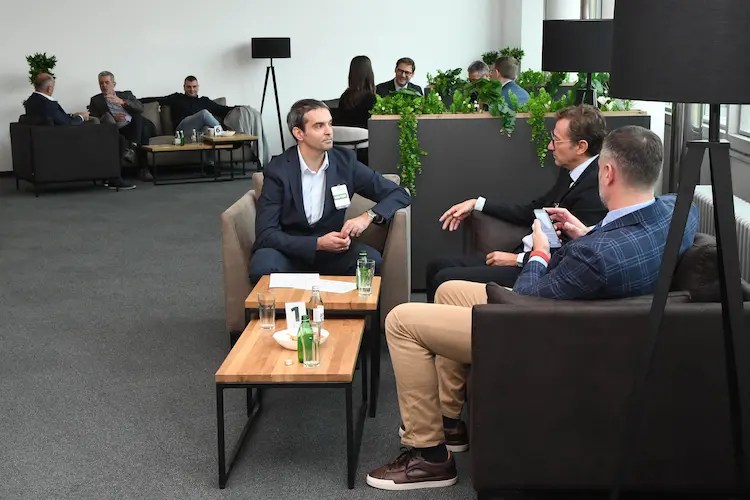
Alongside the main programme, Energy & Investment Days provided opportunities for companies, investors and institutions to establish direct contacts through project presentations, the international energy exhibition and facilitated B2B meetings.
Developed through Balkan Energy Connect and New Polis, the B2B programme was designed to connect participants around specific projects and potential cooperation opportunities, rather than leave networking entirely to chance.
Utilities, technology providers, project developers, financial institutions and public-sector representatives were brought together in targeted meetings. The aim was simple: to move from a useful introduction to a practical next step where there was a real basis for cooperation. The meetings also pointed to the potential for a more structured dialogue between Western Balkan utilities and project developers and U.S. technology companies, institutions and investors.
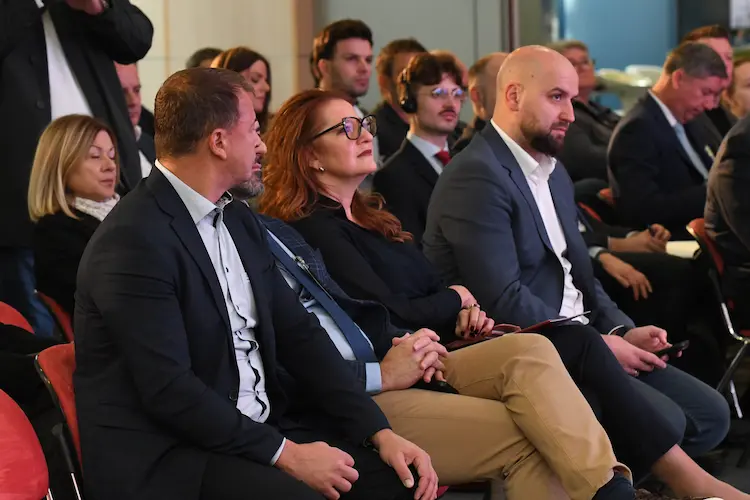
Lena Bratić, founder of Balkan Energy Connect, emphasised that these connections should continue beyond the event: “Balkan Energy Connect and New Polis are working to keep that process going beyond the conference – connecting people, projects, institutions, technology providers and investors across the region. For us, the real value of the event is in what happens next.”
The programme also included the closing event of an EUKI project focused on energy communities and citizen participation. It brought a complementary perspective to the larger infrastructure discussions, drawing attention to the role of local initiatives in the energy transition.
Innovation, startups and university initiatives
The Startup & Innovation Corner provided a platform for emerging companies, innovative businesses and university-based initiatives to present their ideas and solutions to energy professionals, potential partners and investors. Participants included Vodéna, A²S Projects & Engineering, HYDROCOR and Studio Present, alongside Voltagen Grid Intelligence, an innovative project presented by representatives of the university community.
The initiative brought together different approaches to innovation, from entrepreneurial solutions to research-driven ideas with potential applications in the energy sector. It also gave participants an opportunity to introduce their work to a wider professional audience, receive feedback and explore possible cooperation with established companies and institutions. By including university representatives alongside businesses, the Startup & Innovation Corner also highlighted the importance of connecting academic expertise with the practical needs of the energy industry.
A shared agenda for the region
Energy & Investment Days 2026 showed that the region’s energy transition is no longer simply a question of expanding renewable generation. The ability to connect new capacity, operate increasingly complex networks, protect critical infrastructure and prepare projects for investment is becoming equally important.
The discussions also showed how closely these challenges are linked. Modern grids require financing, but financing depends on credible projects. Digitalisation can improve efficiency, but it also increases the importance of cybersecurity. National investment plans remain essential, but cross-border cooperation can significantly increase their value.
The conference created opportunities for direct dialogue among public institutions, utilities, investors, technology providers and project developers. The next step is to keep those connections active and turn the most promising conversations into concrete partnerships and investment opportunities.
That is also the role Balkan Energy Connect and New Polis aim to continue beyond the event: maintaining the links created in Novi Sad, helping move practical energy projects forward across the Western Balkans and Southeast Europe, and creating more opportunities for continued engagement with European and U.S. institutions, investors and technology companies throughout the year.