
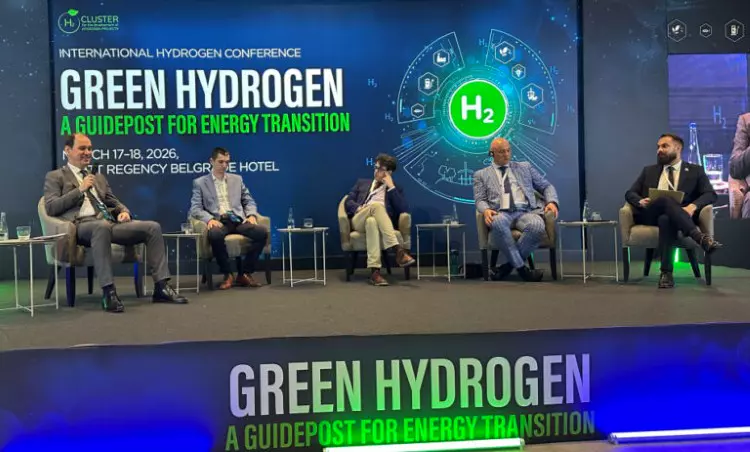
The Third Belgrade Green Hydrogen Conference, held on 17–18 March at the Hyatt Regency Belgrade, brought together a wide range of stakeholders involved in the emerging hydrogen economy, including policymakers, power utilities, development banks, industrial companies, investors, and technology providers from Europe, the Middle East, and Asia.
Participants included representatives of regional electricity utilities such as Elektroprivreda Srbije, Elektroprivreda Republike Srpske, Elektroprivreda Bosne i Hercegovine, Elektroprivreda Crne Gore, and ESM North Macedonia, alongside international organisations and financial institutions including Hydrogen Europe, the EBRD, and KfW. The presence of industrial companies from sectors such as cement, chemicals, and engineering underlined the growing interest in hydrogen not only as an energy carrier, but as a potential solution for decarbonising energy-intensive industries.
The discussions took place against a broader backdrop of continued volatility in global energy markets. Ongoing geopolitical tensions, including the war in Ukraine and instability in the Middle East, continue to affect energy prices and supply chains, particularly for fossil fuels. This context has reinforced interest in alternative energy sources, not only from a climate perspective but increasingly as a matter of energy security.
Regional systems under pressure
The first day of the conference focused on the role of hydrogen within the wider energy transition. Representatives of regional utilities pointed to a shared set of challenges: maintaining system stability, ensuring security of supply, and integrating a growing share of renewable energy.
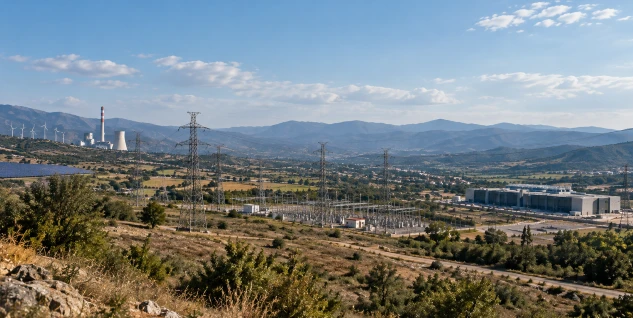
In the Western Balkans, these challenges are particularly pronounced. Energy systems remain heavily dependent on coal, while infrastructure limitations and market fragmentation continue to shape investment dynamics. At the same time, countries in the region are under increasing pressure to align with EU climate and energy policies, including CBAM requirements and decarbonisation targets.
Speakers highlighted that expanding renewable capacity requires parallel investment in flexibility. Storage, system balancing, and grid modernisation were repeatedly identified as necessary conditions for a stable transition. Hydrogen was discussed in this context not as a standalone solution, but as a potential element of a more flexible and integrated energy system.
From policy signals to market reality
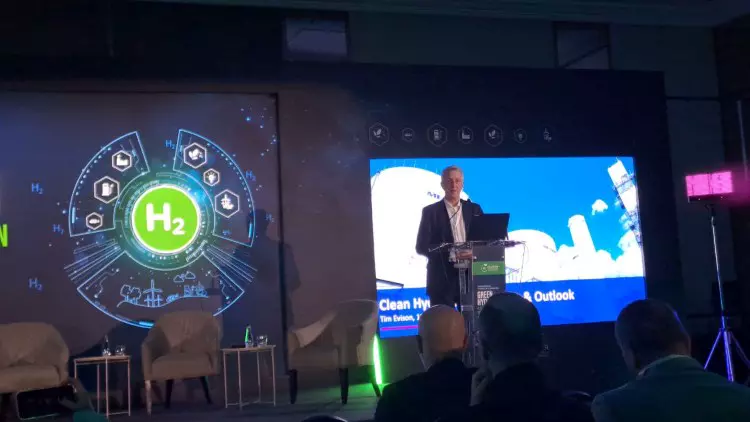
A central theme of the conference was the gap between policy ambition and market readiness. While hydrogen has become firmly embedded in European strategies, its commercial deployment remains limited.
Participants noted that most large-scale hydrogen applications are still expected after 2030. In the near term, questions of cost, infrastructure, and demand remain unresolved. The levelised cost of hydrogen, transport logistics, and the absence of standardised contractual frameworks were all cited as barriers to scaling projects.
From a Serbian perspective, discussions reflected a system still in the early stages of integrating hydrogen into its energy mix. Ongoing work on regulatory frameworks, pilot projects, and institutional coordination suggests gradual progress, but also highlights the need to build domestic capacity and align with European developments.
Industry demand and project viability
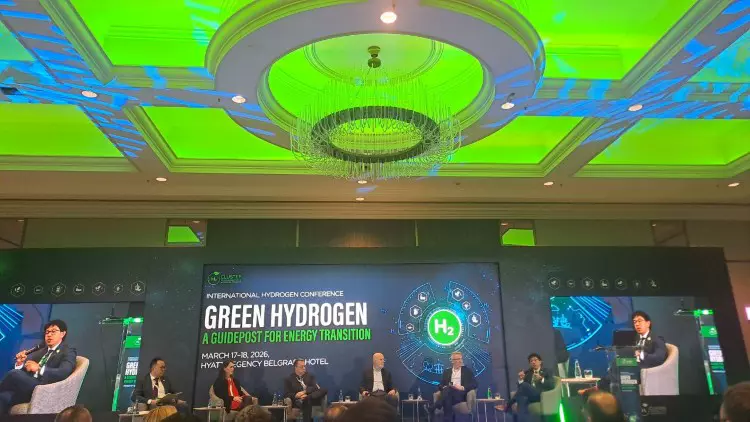
Industrial players brought a more grounded perspective to the conversation. Companies in sectors such as cement and chemicals are already under pressure to decarbonise, particularly due to EU market requirements. Hydrogen is being explored as one of several options, but speakers were cautious about timelines and costs.
Financing was another key issue. While development banks and international partners are active, projects still need to demonstrate long-term economic viability. Without clear demand signals and stable regulatory frameworks, investors remain cautious.
The discussion also pointed to the importance of coordination across sectors. Hydrogen projects require alignment between energy producers, infrastructure operators, industrial users, and policymakers, which remains a complex process in practice.
Local context and system integration
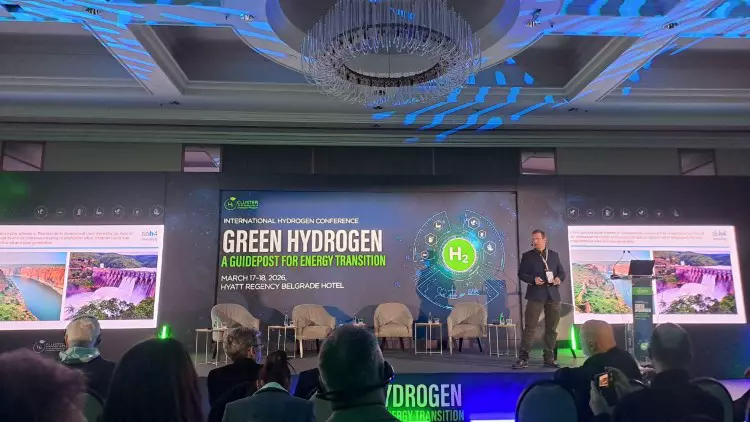
The second day shifted the focus toward implementation challenges. A recurring point was the importance of local context. Speakers stressed that hydrogen projects cannot be replicated across countries without adaptation. Factors such as electricity prices, grid capacity, industrial structure, and regulatory conditions all influence project feasibility. Pricing was discussed in more detail. Participants noted that competitiveness depends not only on technology, but also on local energy systems and policy frameworks.
Another key issue was system balancing. As renewable energy expands, the need for flexible solutions becomes more pressing. Participants pointed to the importance of developing green balancing services and integrating hydrogen into broader system management, ensuring that projects remain economically sustainable rather than dependent solely on subsidies.
A sector in transition
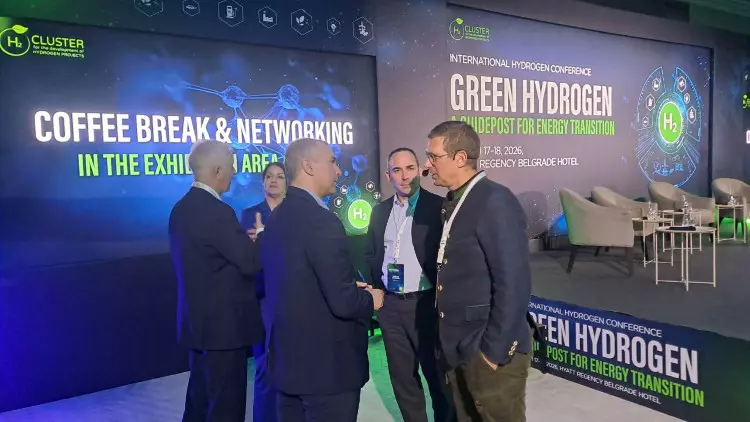
Across both days, the conference reflected a sector that is still navigating the transition from strategy to implementation. Hydrogen is increasingly present in policy frameworks and pilot projects, but its role in the energy system remains uncertain and highly dependent on future developments.
Rather than offering clear conclusions, discussions in Belgrade pointed to a more nuanced reality. Hydrogen is likely to become part of the energy transition, but its development will be gradual, shaped by economics, infrastructure, and regional specificities.