
Sustainable Balkans
The Missing 100 MW: Why Balkan Grid Readiness Is Becoming an Investment Bottleneck
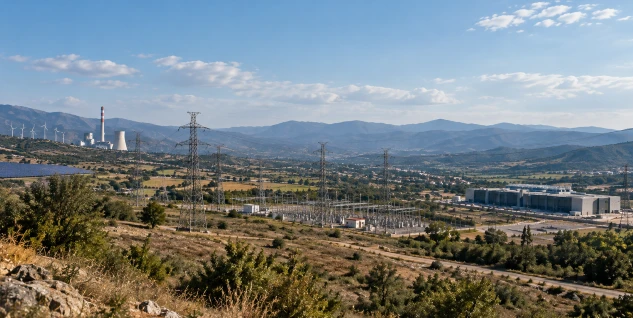
For a new data centre or industrial project, having enough electricity in the national power system is only the beginning. New Polis examines whether Balkan grids can deliver 100 MW where it is needed, how transparency affects investment decisions, and why flexibility is becoming the next test.
Read MoreThe Missing 100 MW: Why Balkan Grid Readiness Is Becoming an Investment BottleneckWildfire Risk in Europe: What the 2026 Fire Season Is Really Costing
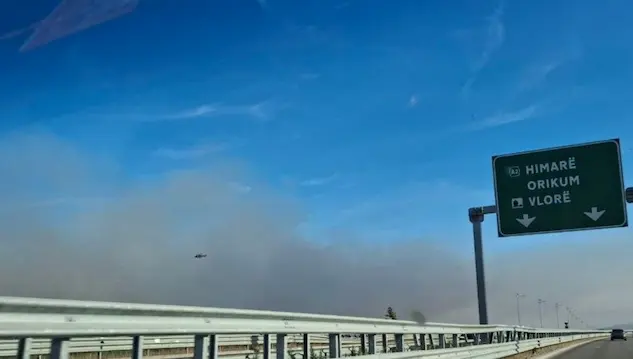
Europe’s 2026 wildfire season shows how heat, drought and extreme weather are reshaping wildfire risk across the continent. From Spain and France to the Balkans, the growing costs point to an urgent need for fire-resilient landscapes and stronger prevention
Read MoreWildfire Risk in Europe: What the 2026 Fire Season Is Really CostingCycling Infrastructure in the Western Balkans: Why Streets Must Work for People, Not Cars
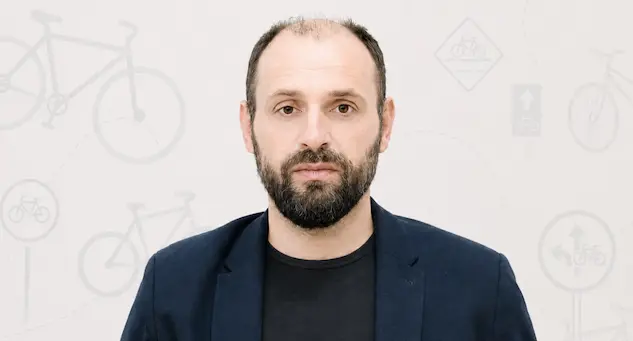
Cycling is increasingly recognised as one of the most effective investments in sustainable urban mobility, yet cities across the Western Balkans continue to struggle with car dependency and limited cycling infrastructure. In this interview, one of Serbia’s leading cycling advocates discusses the progress being made, the political and cultural barriers that remain, and why cycling infrastructure in the Western Balkans is essential for healthier, more liveable and more resilient cities.
Read MoreCycling Infrastructure in the Western Balkans: Why Streets Must Work for People, Not CarsMacedonian Energy Forum 2026: Connecting Climate Ambition with Regional Energy Transition

Macedonian Energy Forum 2026 brought together policymakers, international organisations, investors and energy experts to discuss energy transition and climate resilience in Southeast Europe. The forum highlighted the growing importance of regional cooperation, infrastructure investment and practical implementation on the Road to COP31.
Read MoreMacedonian Energy Forum 2026: Connecting Climate Ambition with Regional Energy TransitionArchyEnergy 2026: Architecture Between Sustainability, Technology, and Long-Term Value in Novi Sad
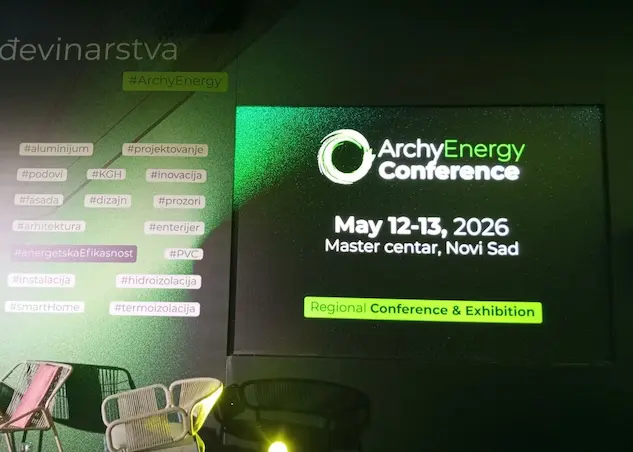
ArchyEnergy 2026 brought together architects, investors, manufacturers, and sustainability experts in Novi Sad to discuss energy-efficient construction, long-term building performance, and the future of regional architecture. The conference highlighted how sustainable architecture increasingly depends not only on advanced technologies but also on durability, adaptability, and interdisciplinary cooperation between design, industry, and urban development stakeholders.
Read MoreArchyEnergy 2026: Architecture Between Sustainability, Technology, and Long-Term Value in Novi SadBelgrade Energy Forum 2026: Energy Transition Under Pressure
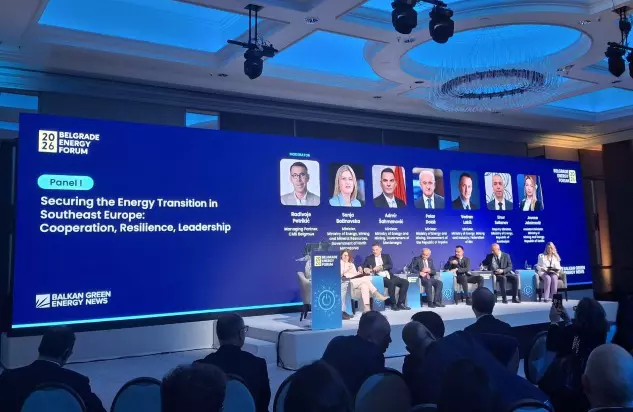
Belgrade Energy Forum 2026 in Belgrade brought together policymakers, companies and energy experts to discuss security, CBAM, infrastructure and the challenges facing Southeast Europe’s energy transition. The discussions highlighted the growing importance of regional projects and cross-border cooperation in a period of geopolitical instability and market uncertainty.
Read MoreBelgrade Energy Forum 2026: Energy Transition Under PressureInterview with Predrag Rađen: Rethinking Sustainable Architecture and Energy Efficiency

Predrag Rađen, founder of ArchyEnergy, discusses the growing role of sustainable architecture and energy efficiency in the Western Balkans. In this interview, he reflects on regional construction trends, industry challenges, and the evolving role of platforms like ArchyEnergy 2026 in shaping more sustainable building practices.
Read MoreInterview with Predrag Rađen: Rethinking Sustainable Architecture and Energy EfficiencyAdria Future Summit 2026: From Vision to Execution
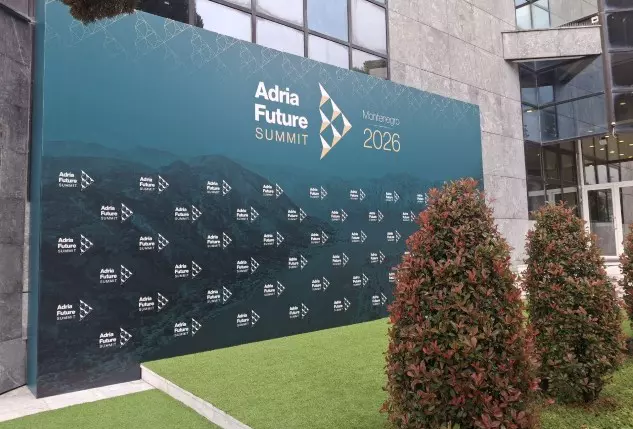
Adria Future Summit 2026, held in Porto Montenegro, Tivat, is convened by Sustineri Partners in partnership with the Government of Montenegro and under the auspices of the President of Montenegro. The event brought together around 1,200 participants from four continents.…
Can Low-Cost Technology Fill the Gaps in Air Quality Monitoring?
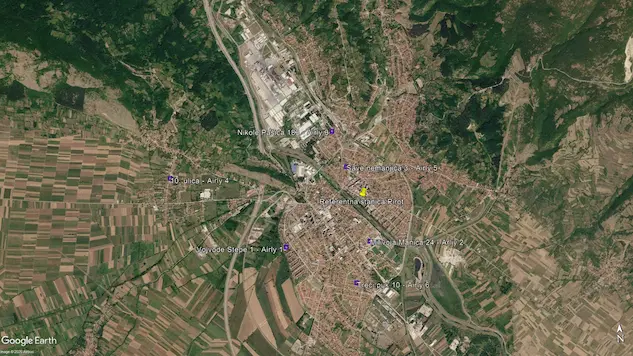
Low-cost sensors are increasingly reshaping air quality monitoring by enabling denser and more affordable data collection in urban environments. The article examines their reliability, compares them with reference stations, and explores how integrated monitoring systems can support more effective public health and urban policy decisions.
Read MoreCan Low-Cost Technology Fill the Gaps in Air Quality Monitoring?From ESG Talk to Real Transactions: Interview with Biljana Braithwaite Ahead of Adria Future Summit 2026

In this interview, Biljana Braithwaite, CEO and Founding Partner of Sustineri Partners, discusses the evolving role of ESG in shaping investment decisions across Southeast Europe. She explains why execution remains the region’s key constraint and how platforms like the Adria Future Summit aim to turn ideas into real transactions.
Read MoreFrom ESG Talk to Real Transactions: Interview with Biljana Braithwaite Ahead of Adria Future Summit 2026