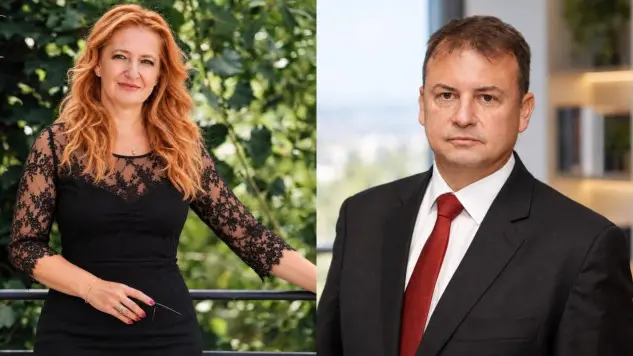

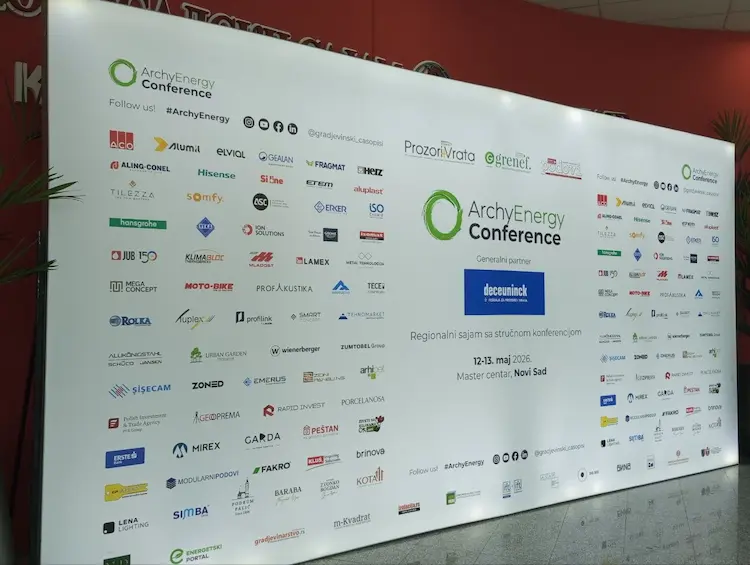
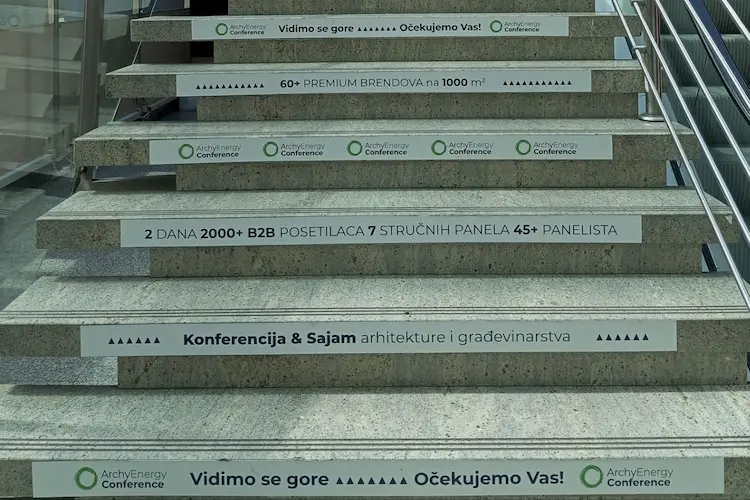
ArchyEnergy 2026, held on May 12–13 at the Master Center in Novi Sad, brought together architects, designers, investors, manufacturers, and representatives from the construction industry across the region to discuss sustainable construction, energy efficiency, and the changing role of architecture in contemporary urban development. Organised as a regional conference and exhibition platform by the teams behind the magazines and portals Grenef, Podovi, and Prozori+Vrata, the event combined professional discussions with an exhibition and a networking programme focused on materials, technologies, and long-term building performance. The conference was co-organised by Jelena Bunčić, Co-organizer of ArchyEnergy 2026, whose work contributed to positioning the event as one of the region’s emerging platforms for sustainable architecture and energy-efficient construction. Among the participating companies and brands were Alumil, Deceuninck, and Hisense, alongside regional studios and construction professionals working on energy-efficient projects across Southeast Europe.
Compared to many conferences focused primarily on technological innovation, ArchyEnergy 2026 placed stronger emphasis on the relationship between sustainability, aesthetics, and durability. Much of the programme revolved around a broader question increasingly visible in contemporary architecture: how to design buildings that are not only energy efficient, but also rational, adaptable, and capable of maintaining value over time. Discussions referenced contemporary practices associated with firms and brands, highlighting the growing shift toward lifecycle-oriented architecture and resilient construction systems.
ArchyEnergy 2026: Materials, Energy Efficiency and the “Invisible” Elements of Buildings
The first day focused largely on materials and facade systems, including discussions on PVC solutions, solar protection systems, aluminium, glass, and fittings. Panels explored how contemporary materials can combine energy efficiency with architectural quality, while also addressing practical issues such as durability, maintenance, and implementation. Representatives from VEKA, Gealan, and Somfy Group participated in discussions about facade performance, thermal optimisation, and the integration of advanced building envelopes into contemporary architectural projects.
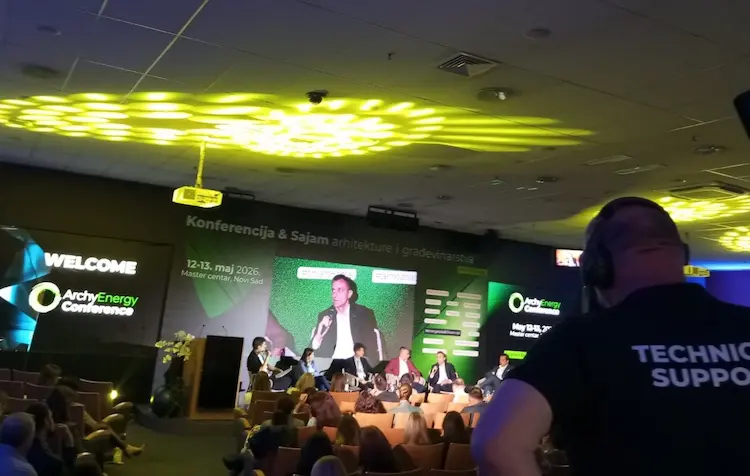
One recurring topic throughout the conference was the importance of the often “invisible” technical elements of buildings. Speakers repeatedly stressed that long-term sustainability depends not only on visual appearance or short-term energy savings, but also on the quality of systems and materials that remain functional decades after construction. Examples from companies such as HERZ, Profakustika, and BBD Engineering illustrated how engineering systems increasingly shape the long-term operational efficiency and resilience of buildings.
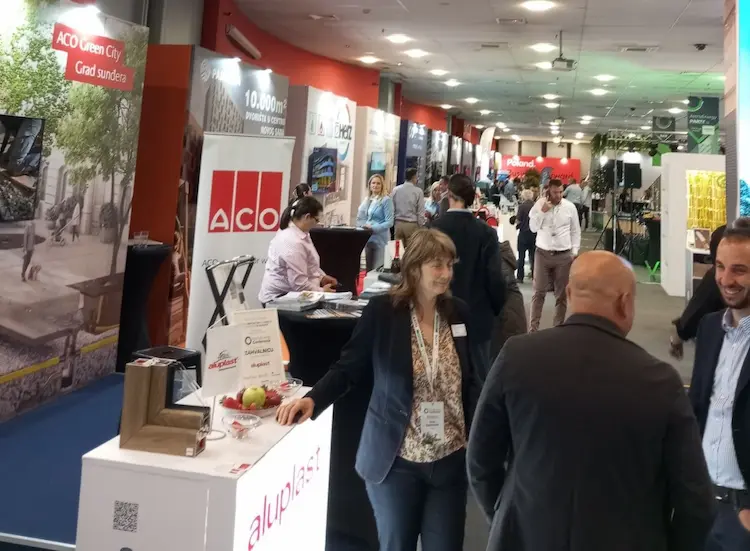
This approach was especially visible during the second-day panel “The Day After Tomorrow – architecture after the warranty,” which focused on what happens to buildings after manufacturers leave the market, guarantees expire, and maintenance becomes the responsibility of owners and operators. Participants discussed the risks of prioritising short-term cost reduction over long-term reliability and building performance. The discussion also referenced experiences from companies, particularly regarding material longevity, maintenance cycles, and post-construction responsibility.
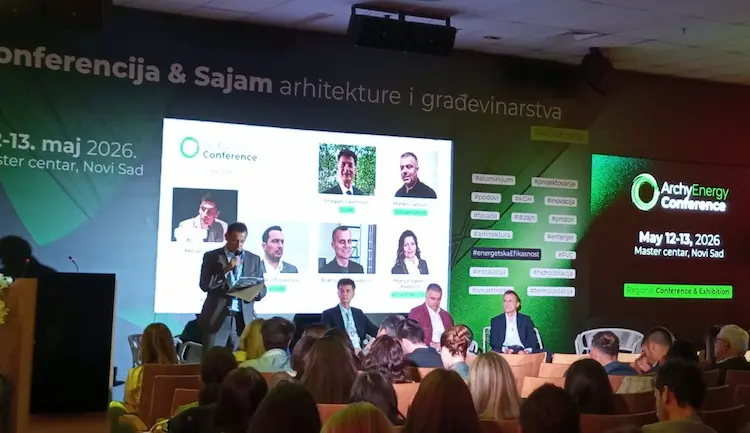
Energy efficiency also remained one of the central themes of the conference. Discussions addressed energy-conscious design from the earliest planning stages, as well as the growing importance of smart systems, high-performance materials, and integrated approaches to reducing energy consumption. The panel “Thoughtful and sustainable architecture: aesthetics and energy saving,” moderated by Dragana Korica, focused on balancing architectural quality, commercial realities, and sustainability requirements in contemporary projects. Speakers referenced solutions and case studies associated with, particularly in the fields of smart building systems and integrated energy management.
Architecture Beyond Technology
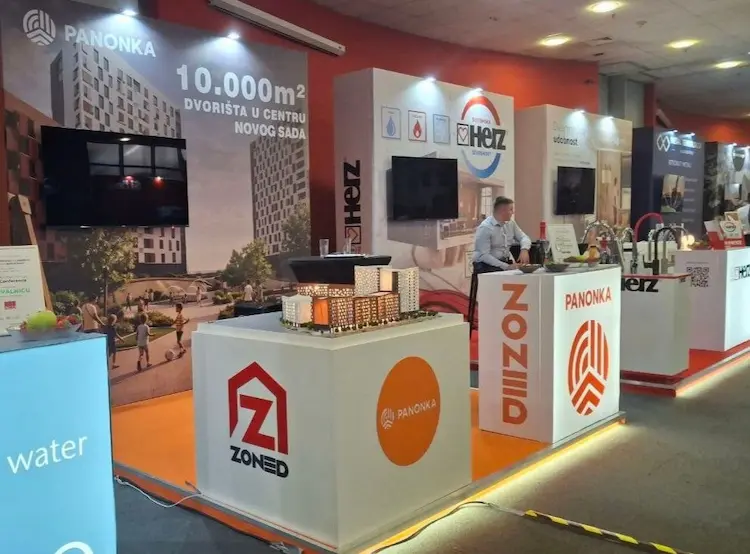
The panel “Women in Architecture – Experiences, Responsibility and Vision” explored the evolving role of women in contemporary architectural practice through perspectives ranging from design and research to implementation, material innovation, and multidisciplinary creative work. Rather than focusing solely on representation, the discussion addressed questions of authorship, professional responsibility, and the growing influence women architects have on shaping contemporary urban and spatial environments.
Moderated by Igor Mikitišin of 4MIND/SFERA Podkast, the panel brought together architects and industry professionals, including Ivana Petronijević from ALUMIL, Anđela Karabašević Sudžum of AKVS Architecture, Jelena Kuzmanović of Kuzmanovic+Fiala d.o.o. and MITarh d.o.o., multidisciplinary artist and architect Ljubica Arsić, and Sara Parezanović, co-founder of Kiparh Serbia. Their discussion highlighted how diverse professional experiences increasingly contribute to redefining architectural practice, leadership, and the future direction of sustainable and socially responsive design.
Interior design also occupied an important place within the programme. Discussions examined how interiors shape the identity and experience of space, as well as the relationship between architects, designers, and commercial brands in creating coherent projects. References to collaborations highlighted how interior architecture increasingly intersects with sustainability, workplace wellbeing, and flexible spatial design.
The conference concluded with the panel “Less is Smor(e) – rationality of space and creative discipline,” dedicated to reduction, conceptual clarity, and responsible architectural expression. In a period marked by visual overload and rapid technological change, the discussion returned to more fundamental architectural questions: how much complexity is necessary, and what remains valuable when architecture is stripped to its essential elements. Architectural approaches were referenced as examples of restraint, spatial clarity, and timeless architectural language.
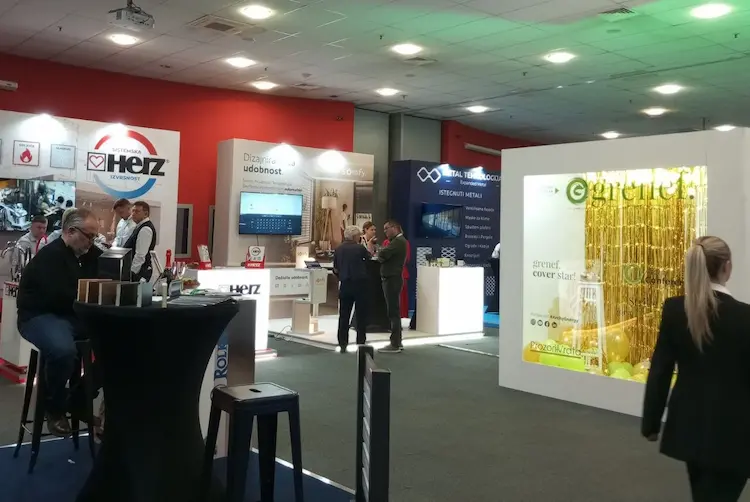
Beyond the conference sessions themselves, ArchyEnergy 2026 also functioned as a regional networking platform connecting manufacturers, architects, investors, and designers working in sustainable and energy-efficient construction. The exhibition area and informal discussions reflected the growing importance of cooperation between design, technology, and industry in shaping contemporary building practice across Southeast Europe. Participants demonstrated how regional construction markets are increasingly integrating sustainability goals, smart technologies, and long-term infrastructure resilience into future development strategies. ArchyEnergy 2026 ultimately demonstrated that the future of architecture lies not only in innovation itself but in the ability to combine sustainability, durability, aesthetics, and long-term value within a rapidly changing built environment.
Read more about conferences and exhibitions here.