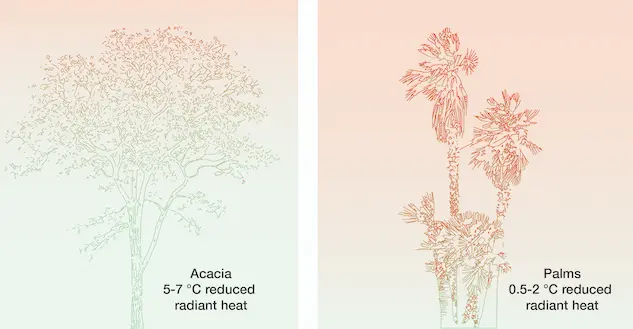

Urban heat islands (UHIs) are commonly associated with sweltering summer temperatures. However, the impact of winter urban heat islands on cities, infrastructure, and human health isequally significant and often overlooked. While UHIs can offer some benefits in colder months, such as reduced heating needs, they also introduce a range of challenges that affect air quality, infrastructure, and public health, turning winter urban warming into a complex urban climate risk rather than a simple seasonal advantage.
To understand why winter urban heat islands create these risks, it is important to look at how cities physically interact with winter climate conditions.
Understanding winter urban heat islands and the winter UHI effect
Urban areas tend to be warmer than their rural counterparts due to factors like heat retention by buildings, reduced vegetation, and human activities. In simple terms, cities warm up and cool down differently than natural landscapes. Materials like asphalt, concrete, and brick absorb sunlight during the day and slowly release heat at night, while buildings, traffic, and heating systems constantly add extra warmth to the air. At the same time, cities usually have less snow and vegetation, which would normally help reflect sunlight and cool the environment. This warmer and more stagnant air makes it harder for pollution to disperse, allowing harmful particles and gases to build up near the ground, especially during calm winter weather.
In winter, the gap between urban and rural temperatures can be even more pronounced, making winter urban heat islands one of the clearest examples of how cities reshape local climate systems. For instance, a study in the West Midlands, UK, found that the average winter UHI intensity was +2.3°C, with peaks up to +9.9°C. Similarly, in Ljubljana, Slovenia, research indicated that during winter mornings, the UHI intensity could reach up to 5°C, affecting approximately 28% of the city’s population, highlighting how the winter UHI effect can influence everyday urban living conditions.
Air quality and temperature inversions
One of the most pressing issues associated with winter UHIs is the exacerbation of air pollution due to temperature inversions. Inversions occur when a layer of warm air traps pollutants close to the ground, preventing their dispersion. This leads to increased concentrations of harmful substances like PM2.5 and nitrogen dioxide, posing significant health risks, particularly in winter temperature inversion cities where geography and urban form combine to trap polluted air. These processes become especially visible in cities where geography and urban form combine to trap winter air pollution.
Salt Lake City: when a “warmer” winter city turns into a pollution trap
Salt Lake City’s winter climate has been a powerful reminder that urban warmth can be misleading, especially in cold climate urban heat island environments. For context, Salt Lake City’s population was estimated at 217,783 residents as of July 1, 2024. The city sits in a mountain-bounded basin, where calm winds, clear skies, snow cover, and long winter nights create ideal conditions for temperature inversions — when cold air became trapped near the ground under a warmer air layer above. The result was a recurring “lid effect”: pollution accumulated in the air people actually breathe until a strong storm arrived and finally clears the valley. According to Utah’s Department of Environmental Quality, a typical winter brought five to six multi-day inversion episodes, along with roughly 18 days each year when PM2.5 exceeded the U.S. national air quality standard.
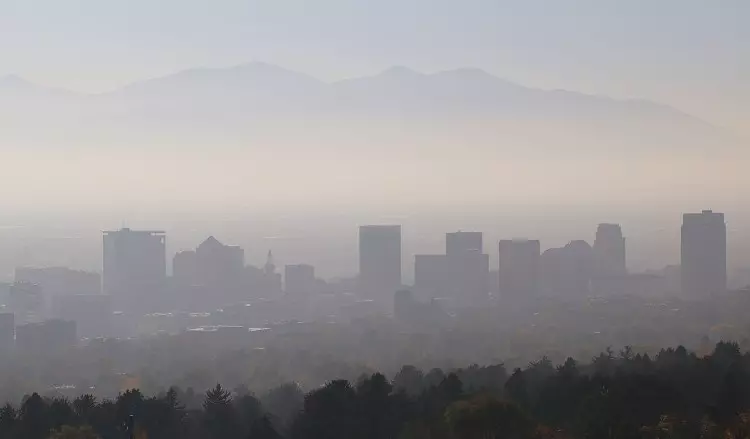
The numbers behind these pollution events are striking, showing how winter urban heat islands can amplify existing regional air pollution risks. NOAA’s Chemical Sciences Laboratory reported that most exceedance days clustered between December and early February, when persistent cold-air pools traped emissions near the surface. During these episodes, particulate concentrations can rose rapidly: the Utah Winter Fine Particulate Study documented accumulation rates of roughly 6–10 µg/m³ per day, reaching total concentrations of 70–80 µg/m³. Earlier field research observed similar dynamics, including a late-January 2011 event where PM2.5 increased by about 6 µg m³ per day and eventually reached around 100 µg/m³, nearly three times higher than the U.S. 24-hour standard of 35 µg/m³.
The public-health signal is equally clear. NOAA reported that emergency-room visits for asthma were 42% higher during the late stage of prolonged pollution episodes compared with non-inversion periods (2003–2008 data). And extreme cases are not theoretical: NASA documented a 2013 event when particulate pollution exceeded 130 µg/m³, levels considered hazardous for the entire population, demonstrating the real-world health consequences of winter urban heat islands interacting with local geography.
How winter urban heat islands affect different cities
Even in cities with relatively good air quality, such as Helsinki, Finland, the UHI effect can contribute to reduced air quality during winter, showing that winter urban heat islands are not only a problem for highly polluted cities. The combination of urban heat retention and specific geographical features, like valleys or basins, can exacerbate the problem. In Helsinki, studies have shown that urban microenvironments can influence indoor temperatures, with factors like green view index and distance from the sea playing significant role.
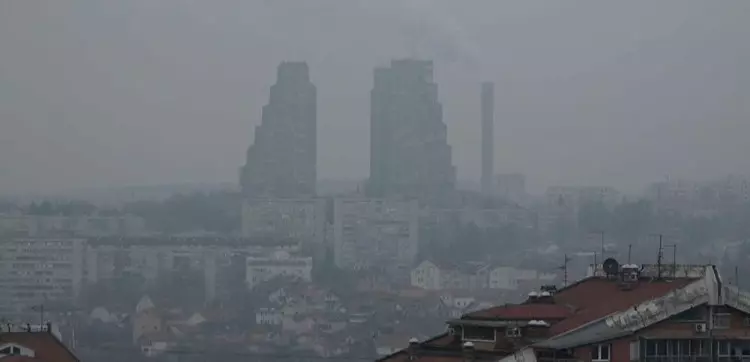
The situation is even more critical in the Balkans, where cities like Sarajevo, Bosnia and Herzegovina, and Belgrade, Serbia, frequently rank among the most polluted in Europe during winter months. That makes them key examples of winter air pollution cities affected by urban warming in winter. Factors contributing to this include widespread use of solid fuels for heating, outdated vehicle fleets, and geographical features that trap pollutants.
Infrastructure challenges: thawing permafrost and cold climate urban heat island risks
Winter urban heat islands do not only affect air quality. They can also trigger serious infrastructure challenges in cold-climate regions. In cities built on permafrost, such as those in Alaska, the additional warmth from UHIs accelerates the thawing of frozen ground. This destabilizes building foundations, leading to structural damage. Research on cold-climate heat islands indicates that permafrost thaw could cost Alaska between $37 billion and $51 billion in infrastructure damages under various climate scenarios, illustrating how winter urban heat islands can translate directly into long-term economic losses.
Snow management and urban flooding
Winter UHIs also reshape how snow and precipitation behave inside cities. Warmer urban temperatures cause snow to melt more rapidly, leading to challenges in snow management and increased risk of urban flooding. A study comparing multiple U.S. cities found that urban-induced temperature results in reduced snowfall and increased rainfall, especially during mixed-precipitation events, a pattern increasingly linked to urban warming in winter.
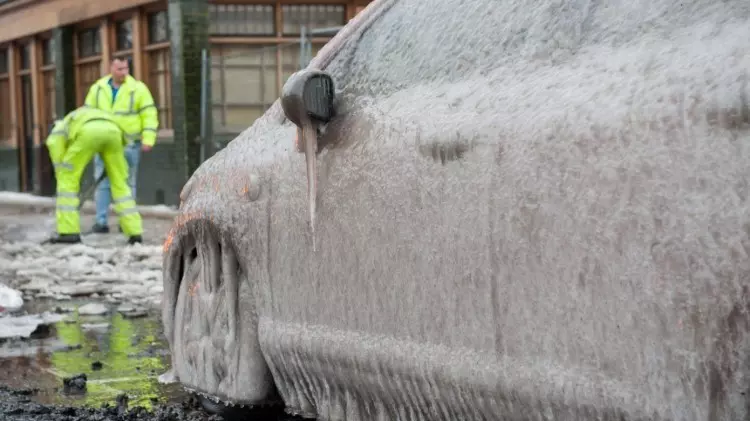
In Kansas City, for instance, modeling analyses revealed that urban land influences winter precipitation patterns, leading to more frequent rain-on-snow events, which can exacerbate flooding and strain drainage systems.
Public health implications
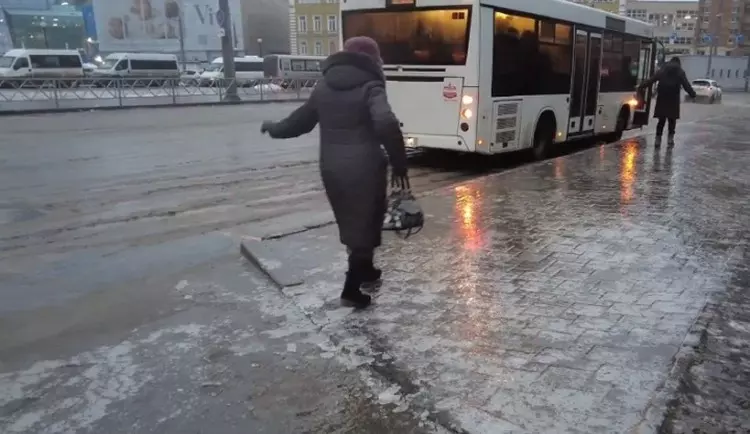
Ultimately, many of these environmental and infrastructure effects translate directly into public health risks. While UHIs can reduce cold-related mortality by approximately 15% in some regions, the associated air pollution and increased humidity can exacerbate respiratory conditions and other health issues, showing the dual nature of winter urban heat islands, protective in some cases, but risky in others. Furthermore, the rapid freeze-thaw cycles can lead to hazardous walking and driving conditions, increasing the risk of accidents.
Mitigation strategies
To address the challenges posed by winter UHIs, cities can implement several strategies:
- Enhancing green spaces: Planting trees and creating green roofs can help regulate temperatures and improve air quality.
- Urban planning: Designing cities to improve air circulation can reduce the occurrence of temperature inversions.
- Infrastructure adaptation: In permafrost regions, using building techniques that minimize heat transfer to the ground can mitigate thawing.
- Monitoring and data collection: mplementing comprehensive monitoring systems can help cities respond proactively to UHI-related challenges, especially as winter urban heat islands become more pronounced under climate change.
Conclusion
While urban heat islands can offer some advantages during winter, such as reduced heating requirements, they also introduce a host of challenges that impact air quality, infrastructure, and public health. Recognizing and addressing these issues is crucial for developing resilient and sustainable urban environments, particularly as winter urban heat islands become a growing focus of urban climate adaptation strategies worldwide.