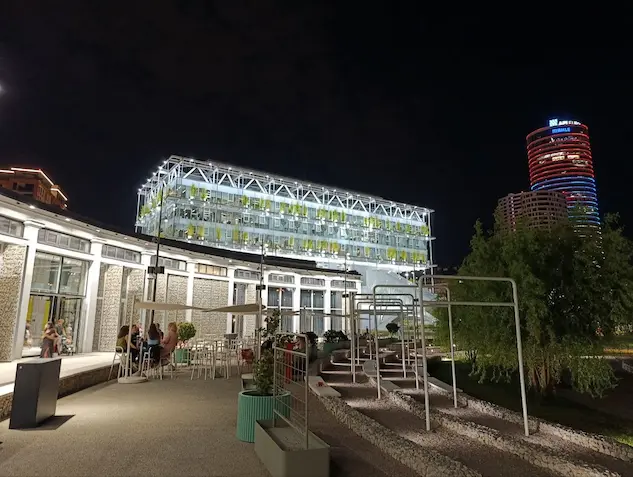
Urban regeneration in the Balkans is reshaping cities through municipal funding, European grants and private investment. Four projects in Sofia, Thessaloniki, Belgrade, and Athens show how urban value is created, who benefits, and who bears the long-term costs.
Read MoreUrban Regeneration in the Balkans: Who Pays, Who Benefits?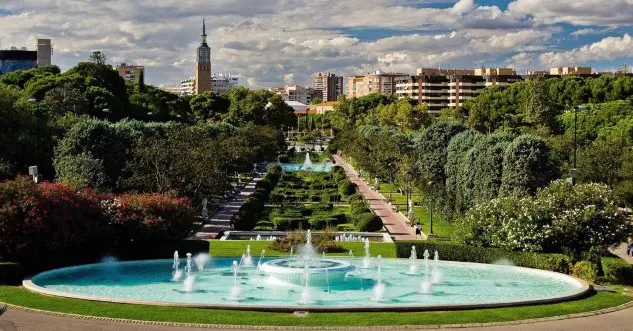
Europe's 2028 green city winners and finalists offer practical insights into sustainable urban development, from acoustic planning and water management to industrial cooperation and cleaner heating. Five cities show how environmental policies are implemented, what results have been achieved and which challenges remain.
Read MoreEuropean Green Cities: Five Urban Lessons Worth Learning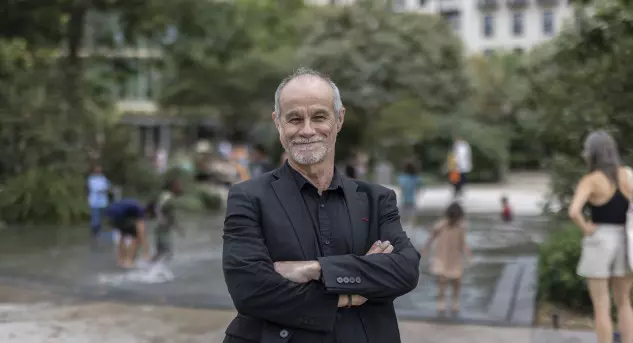
In this interview, Carlos Moreno reflects on how the idea of the 15-minute city has evolved into a broader discussion about time, proximity, resilience, and quality of urban life. He also discusses social fragmentation, urban regeneration, and why future cities must become more human-centred rather than simply more “smart.”
Read MoreBeyond the 15-Minute City: An Interview with Carlos Moreno on Time, Proximity and Future Cities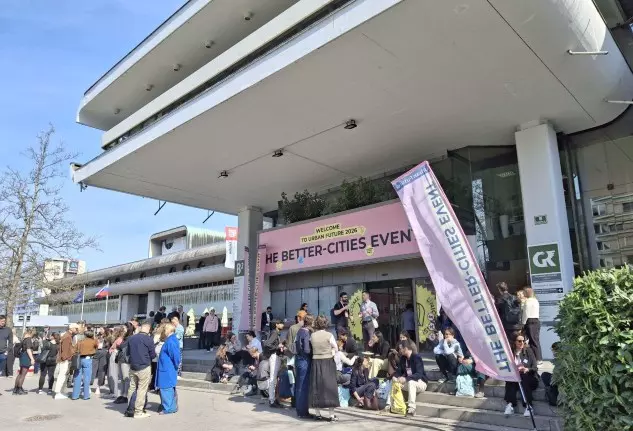
Urban Future 2026 in Ljubljana brought together more than 2,000 urban practitioners to discuss how cities can move from ideas to real implementation. The conference highlighted practical approaches across governance, AI, circularity and energy, with a strong focus on collaboration, experimentation and learning from experience.
Read MoreUrban Future 2026 in Ljubljana: From Ideas to Implementation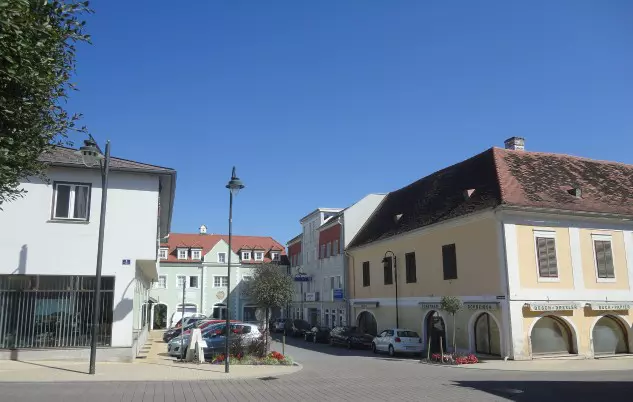
How can cities strengthen resilience while keeping energy value within their communities? This article explores the case of Güssing, a small Austrian town that achieved local energy independence through community-led renewables and smart governance. Its experience offers practical lessons for municipalities seeking sustainable energy systems and local economic renewal.
Read MoreWhen Communities Take Charge: Lessons from Güssing and Local Energy Independence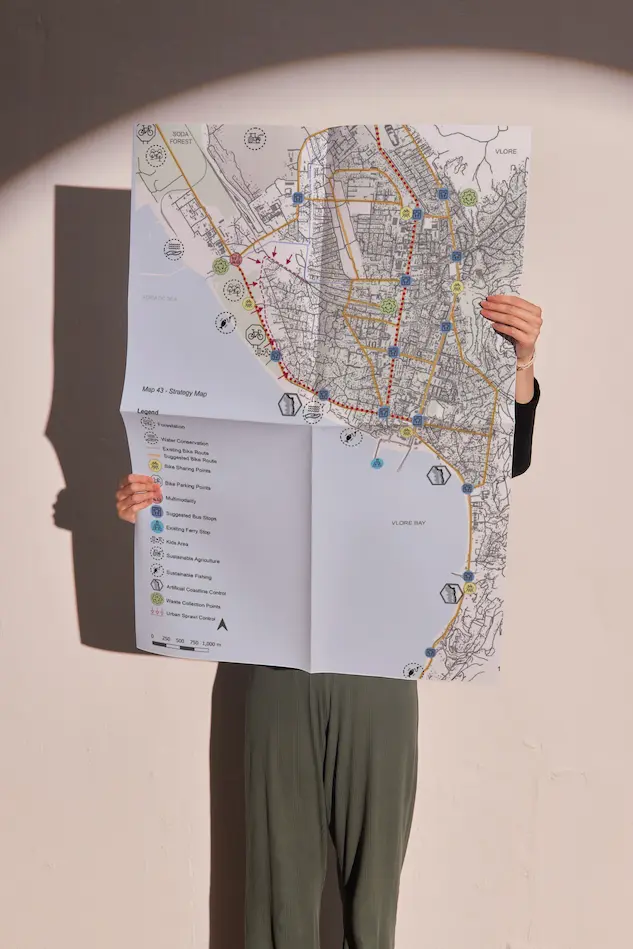
Vlorë, Albania, is redefining urban renewal through systemic intelligence — integrating data, design, and ecology into one adaptive framework. Guided by the IMM methodology and a cross-institutional collaboration, the city turns complexity into clarity, reconnecting people and nature. This case demonstrates how systemic intelligence transforms planning into a living process of regeneration.
Read MoreTranslating Systemic Intelligence into Urban Renewal – Vlorë, Albania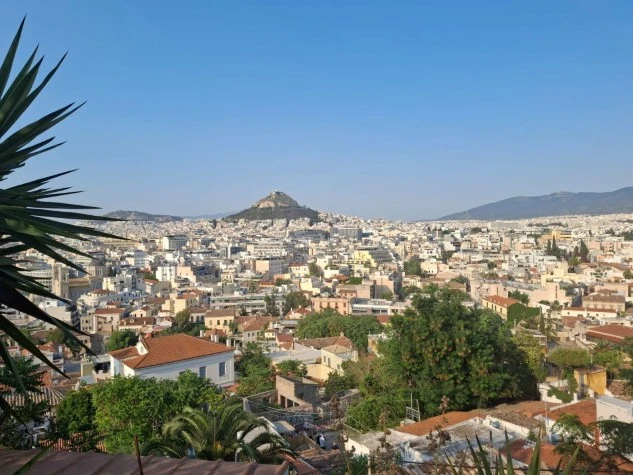
Across eight Balkan green cities, we compare total green infrastructure and accessible urban green using EEA metrics and municipal datasets. The piece traces how geography and planning traditions shape outcomes, then spotlights flagship projects—from Athens’ Ellinikon to Belgrade’s Linear Park and Tirana’s Orbital Forest. We conclude with tiered, finance-aware recommendations that help city leaders turn green on paper into green on foot.
Read MoreBalkan Green Cities: Greening the Urban Fabric and Why It Matters
Behind every city ranking lies a world of choices. This second part of our series on the Best Urban Sustainability Indices uncovers the hidden assumptions, trade-offs, and blind spots in how sustainability is measured—and why it matters.
Read MoreBest Urban Sustainability Indices (Part II): Inside the Methods and Trade-offs
Urban sustainability rankings shape how cities are seen—and how they act. But are these indices truly capturing what matters most? In this first part of our deep dive, we explore the best urban sustainability indices and the surprising assumptions behind their scores.
Read MoreBest Urban Sustainability Indices (Part I): How Top Cities Are Ranked and Why It Matters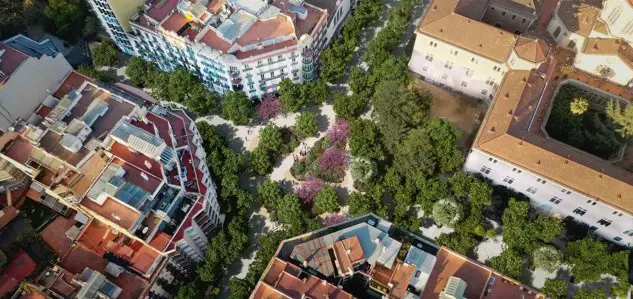
Discover how the 15-minute city concept transforms urban living by making essential services accessible within walking or biking distance. Explore real-world examples from Paris, Barcelona, Melbourne, and others and learn how this model fosters sustainability, local economies, and a higher quality of life.
Read MoreThe 15-Minute City: A Vision for Sustainable Urban Living