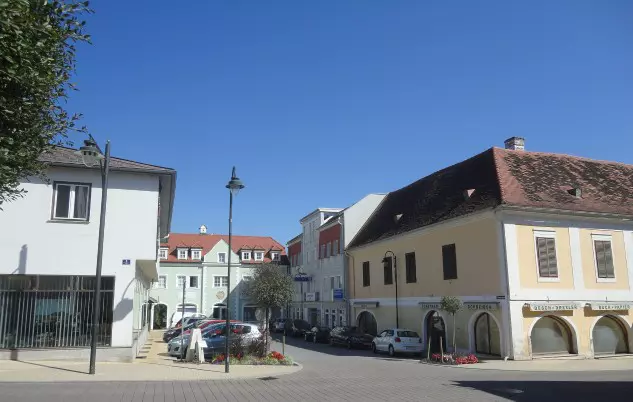
How can cities strengthen resilience while keeping energy value within their communities? This article explores the case of Güssing, a small Austrian town that achieved local energy independence through community-led renewables and smart governance. Its experience offers practical lessons for municipalities seeking sustainable energy systems and local economic renewal.
Read MoreWhen Communities Take Charge: Lessons from Güssing and Local Energy Independence
Cties are under increasing pressure to deliver affordable urban housing solutions as young residents struggle with rising rents and limited supply. This article explores Beijing’s pioneering collective-land rental model alongside international examples from Vienna, Helsinki, Tokyo, Singapore and New York. Together, these cases reveal how innovative rental systems and data-driven policy can reshape the future of urban housing.
Read MoreThe New Urban Starter Home: How Cities Are Reinventing Affordable Urban Housing Solutions for a New Generation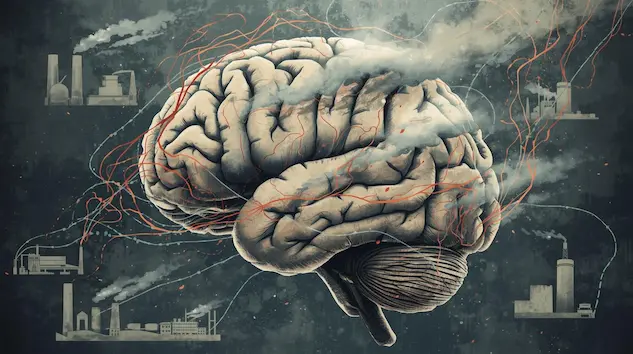
Growing evidence shows that long-term exposure to polluted air significantly increases the risk of dementia and other neurodegenerative diseases. This article highlights findings from a landmark global meta-analysis involving millions of participants, demonstrating clear links between air pollution and cognitive decline. The results underscore why improving air quality must be treated as an urgent public-health and urban-planning priority.
Read MoreAir Pollution Raises Risk of Dementia: Why Clean Air Is a Public Health Imperative
Sustainable construction trends are increasingly shaping urban sustainability as cities work to cut emissions and enhance resilience. This article highlights how green buildings, smart technologies, and eco-friendly materials are influencing global urban development and the future of climate-ready cities.
Read MoreSustainable Construction Trends and the Future of Urban Sustainability: How Green Buildings Quietly Transform Tomorrow’s Cities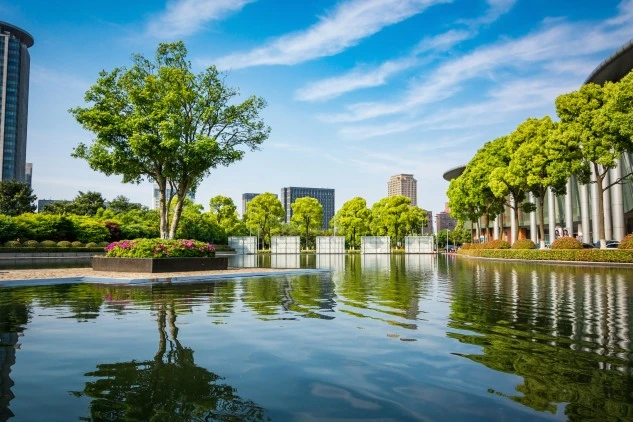
This article explores how sustainable stormwater management and blue–green infrastructure are redefining the role of rain in contemporary urban design. Through international examples and applied research, it shows how bioswales, SuDS, and sponge-city principles can transform cities into more resilient, ecological, and human-centered environments. From Copenhagen to Stuttgart, the piece reveals how water-sensitive design is becoming a powerful tool for shaping the future of urban resilience.
Read MoreRain as a Resource: How LandscapeArchitecture Makes Sustainable Stormwater Management Possible
Sustainable food systems are essential to feeding a growing global population while reducing environmental harm. This article examines the ecological impacts of industrial agriculture and outlines emerging alternatives, from regenerative farming and urban food production to cultivated meat technologies. By rethinking how food is grown, distributed, and consumed, cities and communities can build more resilient, equitable, and climate-conscious food futures.
Read MoreSustainable Food Systems: Feeding the Planet Without Destroying It
This feature explores urban sustainability in North Macedonia, where technology, civic action, and innovation are transforming cities like Skopje and Kumanovo. From smart mobility and digital transparency to grassroots clean-up movements and green public spaces, these initiatives illustrate a growing culture of sustainable urban living. Despite challenges, local governments and citizens are shaping a vision of greener, smarter, and more resilient Macedonian cities.
Read MoreUrban Sustainability in North Macedonia: Green Cities and Smart Solutions
Vlorë, Albania, is redefining urban renewal through systemic intelligence — integrating data, design, and ecology into one adaptive framework. Guided by the IMM methodology and a cross-institutional collaboration, the city turns complexity into clarity, reconnecting people and nature. This case demonstrates how systemic intelligence transforms planning into a living process of regeneration.
Read MoreTranslating Systemic Intelligence into Urban Renewal – Vlorë, Albania
The article explores how climate coaching empowers businesses and cities to integrate sustainability into everyday decisions and culture. It highlights real-world evidence from research and practice showing how coaching transforms climate goals into measurable actions. The article also outlines emerging trends, key frameworks, and practical steps for organisations aiming to build climate-aware leadership.
Read MoreClimate Coaching: From Corporate Ambition to Daily Culture
Climate change threatens the balance of Earth’s biogeochemical cycles. The stoichiometric ratios of carbon, nitrogen, and phosphorus (C:N:P) shape ecosystem resilience, carbon sequestration, and nutrient flows. Human activities, such as intensive farming and the use of fossil fuels, distort these ratios, accelerating greenhouse gas emissions and soil degradation. Integrating stoichiometric principles into climate and land-use policies can strengthen ecosystem services, biodiversity, and long-term sustainability.
Read MoreSustainable Development and Climate Challenges: The Crucial Role of C:N:P Stoichiometric Ratios for Effective Ecosystem Management