
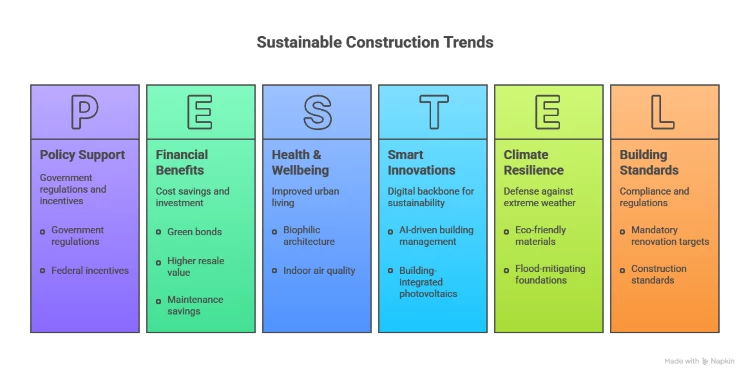
Sustainable construction trends are becoming deeply intertwined with the broader evolution of urban sustainability, shaping the ways cities respond to climate pressures, population growth, and rising energy demands. Although the shift is gradual rather than revolutionary, it is increasingly visible in how governments, investors, and planners approach the built environment. The global green building market already exceeds $618.58 billion, with projections reaching $1.374 trillion by 2034. For modern cities striving to become healthier, more resilient, and more energy-efficient, sustainable construction has become one of the most practical levers for transformation.
As the world’s urban population grows and climate-driven risks intensify, the question becomes: how deeply will sustainable construction influence the future of city development, and how fast will this integration accelerate?
Global market overview: how sustainable construction trends support urban sustainability
Cities are now responsible for more than two-thirds of global energy consumption, and buildings alone represent 37% of global energy-related CO₂ emissions (Source: Global Status Report 2024/2025). Because of this, sustainable city development increasingly depends on lowering emissions from real estate, accelerating retrofits, and integrating climate-resilient design.
Financial markets reflect this shift. 29% of all green bonds issued in 2023 were directed to green buildings, making it the largest category of urban green finance globally. In Latin America, issuance of such bonds grew by 90% in one year. These flows demonstrate how cities rely on building-related investments to pursue climate commitments, resilience strategies, and healthier urban environments.
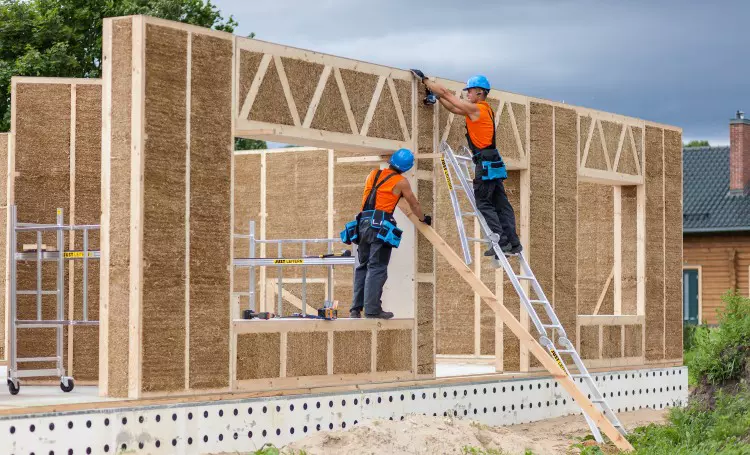
Net-zero energy buildings and their role in future-ready cities
Net-Zero Energy Buildings (NZEB) remain among the strongest sustainable construction trends, offering a tangible path toward future-ready cities with greatly reduced operational emissions. Their growth is supported by:
- building-integrated photovoltaics (BIPV)
- improved envelopes
- next-generation storage
- microgrid and smart-grid readiness
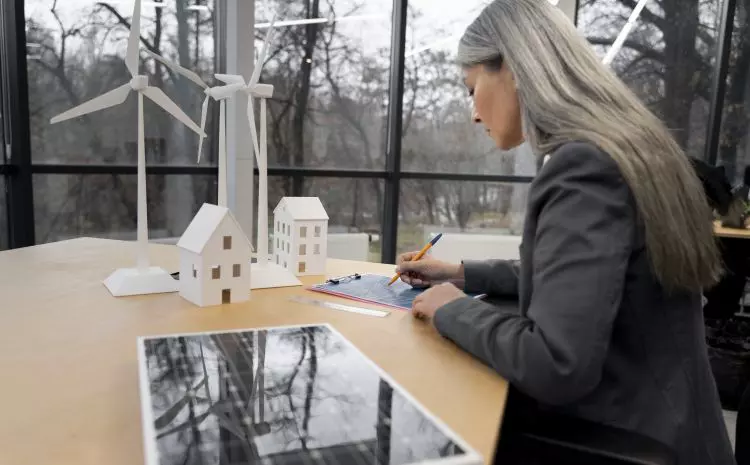
The U.S. federal definition of NZEB introduced in 2024 provides clarity that accelerates adoption across urban schools, government facilities, commercial buildings, and affordable housing. For cities seeking decarbonization, NZEBs represent a cornerstone of long-term strategy.
Smart building innovations and the digital backbone of sustainable cities
Modern urban sustainability depends heavily on smart building innovations, which lower emissions and improve comfort while reducing maintenance burdens. AI-driven building management systems now provide:
- 25% lower energy use
- 20% lower maintenance costs
- real-time optimization
- advanced indoor air quality controls
As extreme heat, cold snaps, and variable weather challenge infrastructure, smart buildings increasingly function as adaptive assets that support city-wide resilience.

Eco-friendly building materials and their impact on sustainable city development
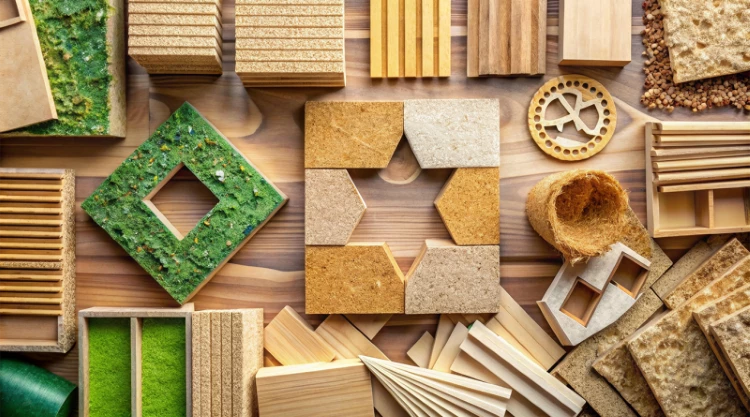
Green building materials are central to sustainable construction trends. According to the Green Building Materials Market Forecast Report 2025–2030, the market will expand at a CAGR of 8.75%, supported by demand for:
- bio-based materials (hemp, bamboo, mycelium, cellulose)
- recycled and upcycled materials (reclaimed wood, crushed concrete, recycled steel and plastics)
- carbon-negative composites
- low-VOC, health-focused materials
Major suppliers — Kingspan, Alumasc Group, BASF, CertainTeed — now focus on high-performance materials that support sustainable city development, improving air quality and reducing lifecycle emissions. As many cities adopt mandatory renovation targets, eco-friendly materials increasingly shape municipal policies for retrofits and public buildings.
Modular construction solutions and their benefits for growing urban regions
Modular construction has become a powerful tool in regions facing housing shortages, labor constraints, and rapid urban growth. Frost & Sullivan identify several global drivers:
- labor shortages
- rising material costs
- demand for faster project delivery
- sustainability requirements
Moreover, regional forecasts remain strong:
— China: CAGR 5.5%
— India: CAGR 6.5%
Modular solutions help cities reduce waste, accelerate affordable housing programs, expand social infrastructure, and limit construction-related disruptions — crucial for densely populated urban cores.
Biophilic architecture and healthier urban living
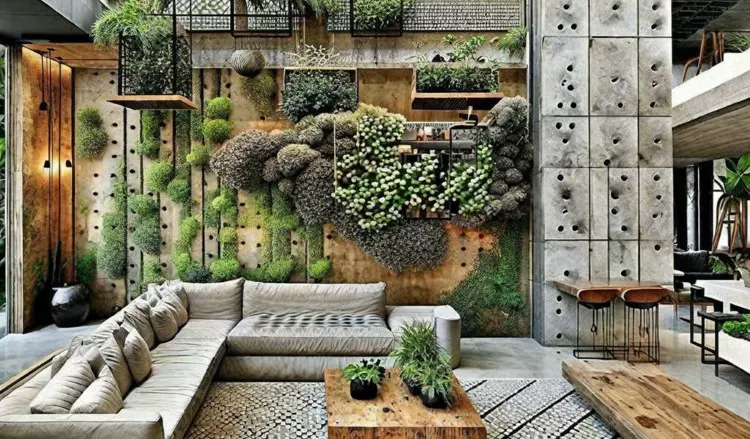
In the context of sustainable city development, biophilic architecture plays an increasingly visible role in improving the health and well-being of urban residents. Modern buildings incorporate:
- living walls supporting indoor air quality
- daylight optimization
- hydroponic and indoor agriculture systems
- natural materials and textures
These elements reduce stress, enhance cognitive function, and contribute to more livable, human-centered cities.
Climate-resilient cities: construction as a defense against extreme weather
Urban areas face escalating climate threats: heatwaves, storms, flooding, and wildfires. Because of this, climate-resilient cities depend increasingly on robust construction standards. Investments in mitigation yield $6 for every $1 spent.
Resilient design now includes:
- flood-mitigating foundations
- fire-resistant materials
- hurricane-proof glazing
- passive survivability systems
- renewable energy with storage
For coastal, wildfire-prone, or rapidly warming cities, these solutions are no longer optional.
Economic advantages and urban green finance: why cities prefer green buildings
Economic evidence strongly supports sustainable construction trends:
- LEED buildings: $2.91/ft² rents vs. $2.16/ft² for conventional stock
- residential green homes: 8% higher resale value
- maintenance savings: 20% lower
- federal incentives: up to $5,000 per home
Cities increasingly rely on urban green finance — green bonds, sustainability-linked loans, tax subsidies — to accelerate decarbonization of buildings and infrastructure.
Regional outlook: different paths toward urban sustainability
- North America: leads in smart building innovations and eco-friendly materials
- Europe: prioritizes deep renovation and strict decarbonization pathways.
- Asia-Pacific: fastest growth due to urbanization and construction demand.
- Latin America: rapid expansion of green bonds for city infrastructure.
- Middle East: experimenting with carbon-neutral districts and climate-adapted architecture.
Conclusion: how far will sustainable construction trends shape the cities of the future?
The evolution of sustainable construction is gradual but unmistakable. With forecasts pointing to a $1.374 trillion global market by 2034, green buildings are becoming essential pillars of urban sustainability, helping cities lower emissions, increase resilience, and support healthier communities.
Yet the pace of change varies widely. Some cities embrace aggressive climate strategies, while others move cautiously due to financial, regulatory, or technological constraints. Ultimately, the central question remains: will sustainable construction trends scale rapidly enough to reshape global urban life — or will progress continue to unfold unevenly, district by district, project by project?
The answer will determine the trajectory of future cities — and the quality of life for billions who call them home.
Read more about sustainable urbanization here.