
Discover how the 15-minute city concept transforms urban living by making essential services accessible within walking or biking distance. Explore real-world examples from Paris, Barcelona, Melbourne, and others and learn how this model fosters sustainability, local economies, and a higher quality of life.
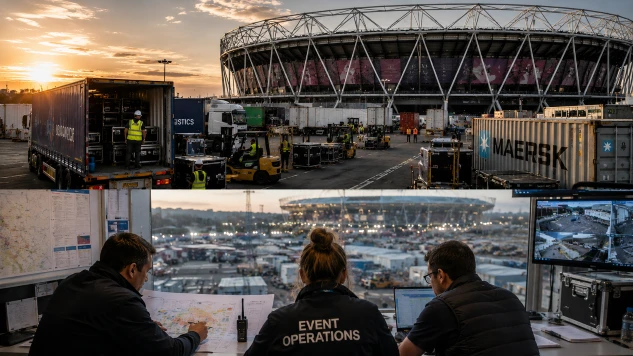
Major sporting events increasingly promote ambitious sustainability goals, yet their greatest environmental impacts often remain hidden within complex operational systems. Drawing on examples from Formula E, Formula 1, the Olympic Games, and other international events, Pierluigi Zacheo explores why transport, logistics, procurement, governance, and planning decisions ultimately determine whether sustainability commitments translate into real-world results.
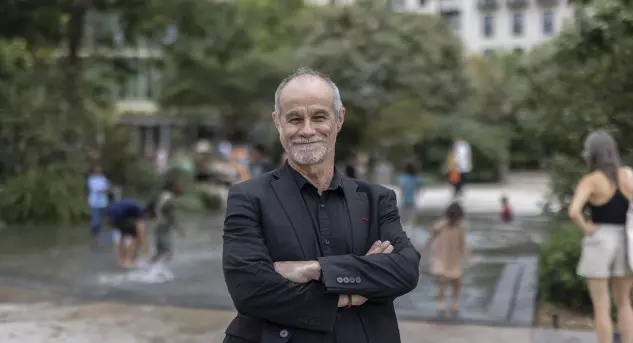
In this interview, Carlos Moreno reflects on how the idea of the 15-minute city has evolved into a broader discussion about time, proximity, resilience, and quality of urban life. He also discusses social fragmentation, urban regeneration, and why future cities must become more human-centred rather than simply more “smart.”

Abstract: As the global economy shifts toward a net-zero future, the demand for "green" expertise is outstripping academic supply. This article analyzes the educational landscape in Europe and the UK, distinguishing between specialized and integrated programs to help students build a strategic foundation for their professional future.

This article explores how China transportation digitalization could transform mobility into a “spatial intelligence layer” by 2036. It examines governance models, infrastructure logic, and new value ecosystems emerging from this shift. The analysis highlights how coordination, not speed, will define the future of transport systems.
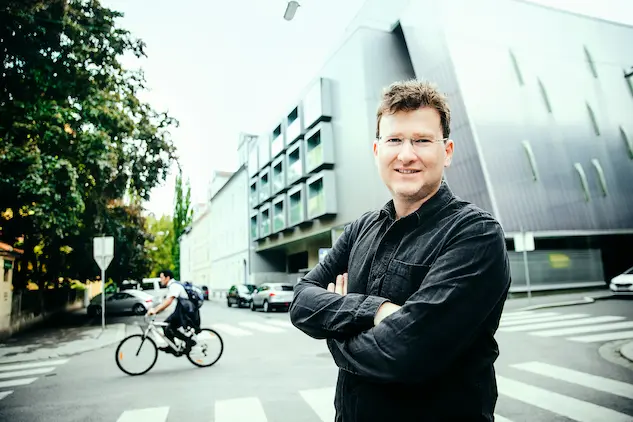
Urban transformation requires more than ambitious strategies, it demands communities of practitioners willing to test ideas, share failures, and act. In this interview, Gerald Babel-Sutter explains how Urban Future 2026 in Ljubljana aims to empower city leaders to turn knowledge into real change.

The article considers how the infrastructure of the city often demonstrates gender disparities that may be present in the urban landscape. From gender-responsive facilities to transportation safety, many elements of urban space continue to serve men better than women. This article discusses the possibilities of gender-sensitive urban planning, taking into account examples from Vienna, Barcelona, and Seoul.

The extraordinary snowfalls of early 2026 once again exposed structural weaknesses in urban winter maintenance systems. Gender-sensitive snow clearance, first implemented in Swedish cities, demonstrates how rethinking snow removal priorities can improve safety, equity, and cost efficiency in climate-stressed cities.

In this interview, NVIDIA’s Charbel Aoun explains why the future of urban AI depends not on adopting more tools, but on building local capability, data sovereignty, and long-term talent. He shares how cities can move from fragmented pilots to responsible, human-centric AI systems that deliver measurable public value.
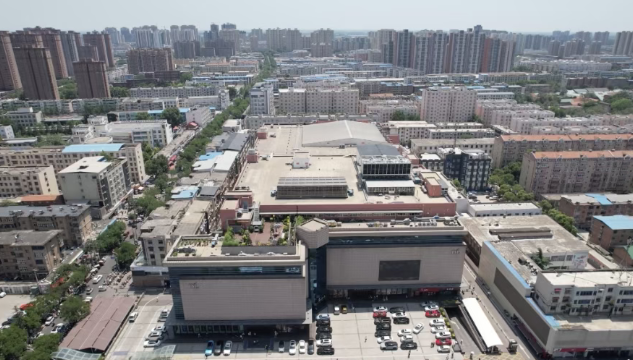
Xuchang (Henan province, China) tackled traffic congestion caused by surging tourism by implementing AI-powered SaaS traffic control system. This lightweight solution, deployed in two weeks at one-tenth the traditional cost, reduced intersection delays by 13.39% and improved rush hour speeds by 13-15%. Integrated smart parking further optimized mobility, demonstrating technology's role in building efficient cities.