Search Results for smart mobility

How Urban Data Governance in Europe Is Shaping the Future of Cities

urban data governance in Europe
This article examines how urban data governance in Europe is reshaping city development through regulatory frameworks, federated platforms, and mission-oriented data spaces. It explores how European cities leverage data to align climate, social, and digital objectives while addressing fragmentation, governance complexity, and uneven territorial capacities. The analysis highlights both the systemic potential and political challenges of scaling these models across Europe.
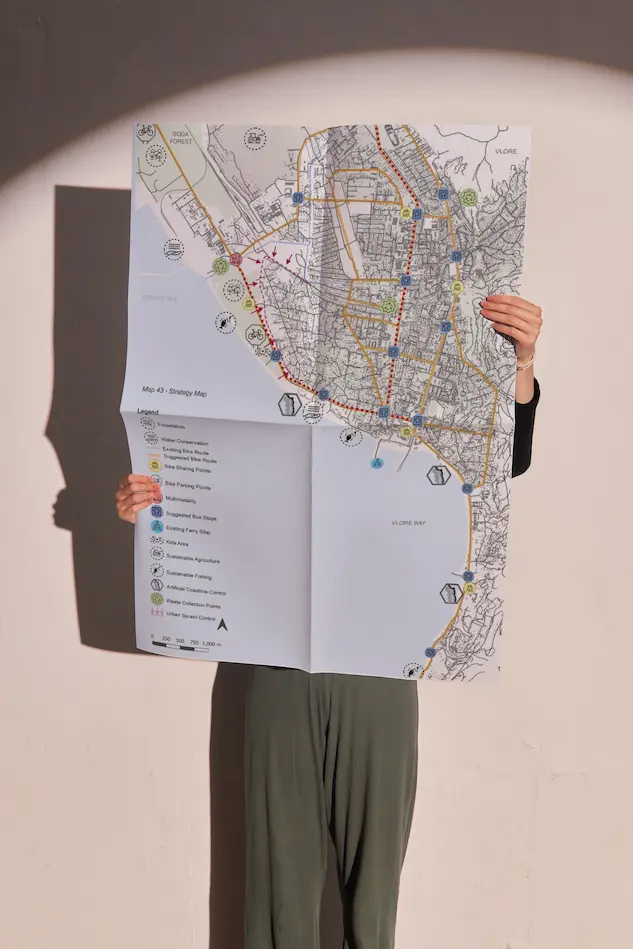
Translating Systemic Intelligence into Urban Renewal – Vlorë, Albania

Vlorë, Albania
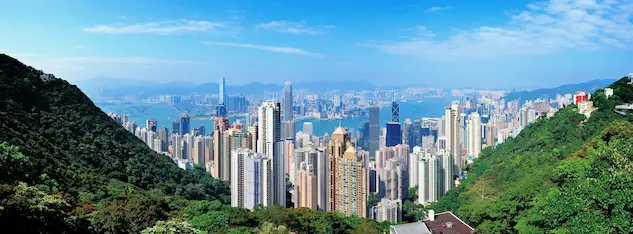
Vlorë, Albania, is redefining urban renewal through systemic intelligence — integrating data, design, and ecology into one adaptive framework. Guided by the IMM methodology and a cross-institutional collaboration, the city turns complexity into clarity, reconnecting people and nature. This case demonstrates how systemic intelligence transforms planning into a living process of regeneration.

Climate Coaching: From Corporate Ambition to Daily Culture

people dicussing climate change
The article explores how climate coaching empowers businesses and cities to integrate sustainability into everyday decisions and culture. It highlights real-world evidence from research and practice showing how coaching transforms climate goals into measurable actions. The article also outlines emerging trends, key frameworks, and practical steps for organisations aiming to build climate-aware leadership.

Sustainable Places 2025: Driving Europe’s Green and Digital Transition

Sustainable Places 2025
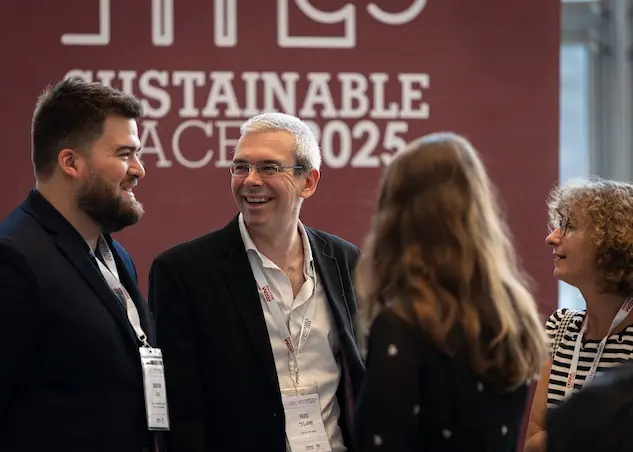
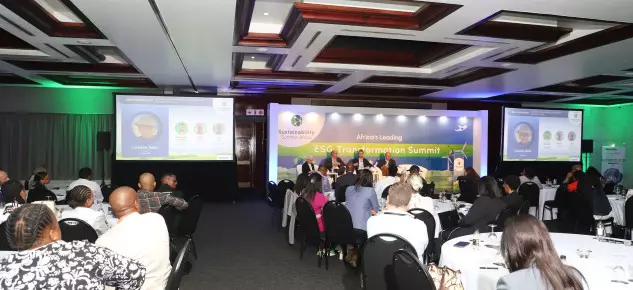
At Sustainable Places 2025 in Milan, over 440 participants and 160 EU projects explored how innovation, collaboration, and digital tools drive Europe’s green transition. From 6G sustainability to Industry 5.0 and data-driven energy systems, discussions highlighted the synergy between technology, people, and the planet. The event showcased concrete pathways toward a smarter, more resilient, and inclusive future

Guangzhou’s Innovative Practice: The Mixed Traffic Lane Mode

guangzhous-innovative-practice-the-mixed-traffic-lane-mode
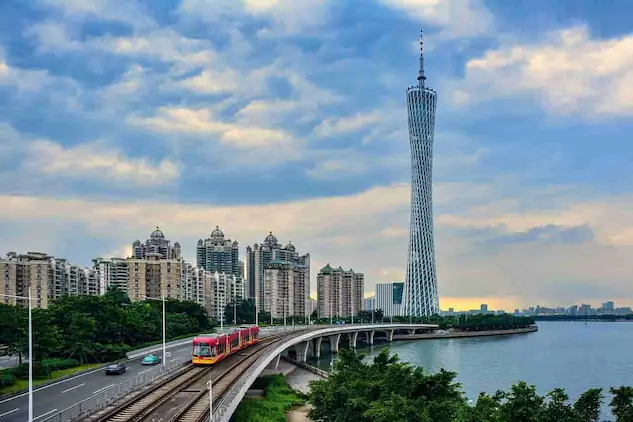
Guangzhou has pioneered the Mixed Traffic Lane Mode as an innovative response to rising electric bicycle use and limited road space. By merging motorized and non-motorized traffic within designated lanes, the model improves traffic order, enhances safety, and optimizes urban mobility. Early results from pilot projects show reduced congestion, safer conditions, and more efficient use of road resources, positioning this approach as a scalable solution for dense urban environments.
×