

The article about All-Electric Buildings Law in New York is provided by our media partner Energetski portal.
It has long been known that buildings are among the biggest polluters, not only globally, but also in the State of New York. According to currently available data, buildings account for nearly 40 percent of New York’s total greenhouse gas emissions, making them one of the state’s key sources of pollution. New York State estimates that heating and cooling in buildings represent around 32% of statewide carbon emissions. The largest share of these emissions comes from burning fossil fuels to heat indoor spaces and water, especially in older residential and commercial buildings. That is precisely why I have been closely following the latest moves by this U.S. state, which is now pushing forward an all-electric buildings law as part of its broader climate agenda.
At stake is one of the most ambitious climate strategies in the United States: transitioning to fully electric new buildings, without using fossil fuels such as natural gas or propane. This shift is often described as building electrification.
This concept is not simply about changing how we heat our homes or cook our meals. It represents a complete transformation of how we design and operate buildings from installing electric heat pumps and water heaters to switching to induction cooktops and electric ovens. In other words, energy from a wall socket is meant to replace energy delivered through gas pipes. But it also raises an increasingly important smart cities question: how cities will manage peak electricity demand as more buildings go fully electric. This is where smart building controls and demand response programs can help reduce peak load without compromising comfort for residents and tenants.
New York All-Electric Buildings Law: when this act becomes real policy
A true turning point came in 2023, when the New York State Legislature passed the so-called All-Electric Buildings Act. This regulation, the first of its kind in the United States, requires that new buildings cannot be equipped with systems that burn fossil fuels.
Under the law, as of 31 December 2025, all newly constructed buildings up to seven stories are intended to be all-electric, with no gas-powered furnaces, boilers, or stoves. For larger residential and commercial buildings, the rule is scheduled to take effect on 1 January 2029. The legislation also includes exemptions, primarily for hospitals, laboratories, industrial facilities, and emergency systems.
With this move, New York is not only aiming to cut emissions. It is also sending a clear message that an energy transition in the building sector is possible and achievable, even in large, densely populated environments.
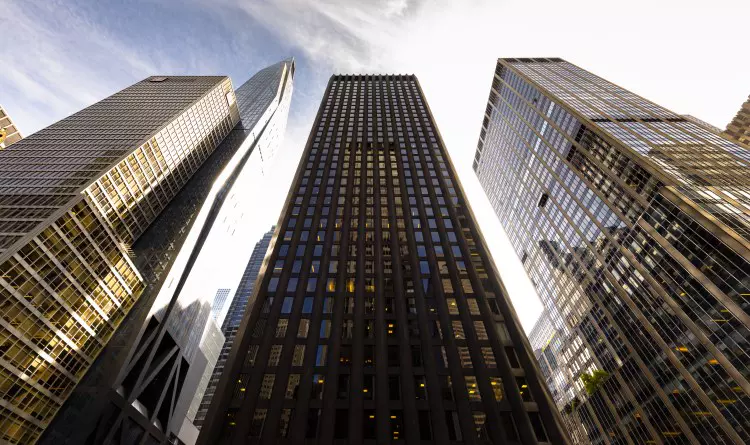
Preparations, pushback, and courtroom battles
However, almost immediately after the law was adopted, it became clear that the road to implementation would not be straightforward. Construction associations and representatives of the gas industry launched legal challenges, arguing that the gas ban in new buildings could conflict with federal laws and that it could lead to higher costs and put additional strain on the electric power grid.
In July 2025, a federal court in Northern New York ruled that the state has the authority to enforce New York all-electric buildings law, rejecting industry arguments that it should be struck down, as reported by Earthjustice. That moment seemed like final confirmation to many observers that the policy would move forward.
Yet the fight did not end there. Due to further appeals and political pressure—as well as concerns voiced by some contractors and even certain Democratic lawmakers—the state agreed to temporarily delay enforcement while awaiting a decision from an appellate court.
A divided public and unresolved questions
This sequence of events has sparked strong reactions on both sides.
Supporters of the law argue that it is a critical step toward reducing air pollution, improving public health, and delivering long-term savings for households. Opponents, however, warn that introducing such rules too early could drive up construction costs and further burden an electric grid that may not yet be ready for such a rapid rise in demand.
The tensions are evident in public debate as well: while some describe the policy as a historic climate breakthrough, others argue it is being pushed through at an irresponsible pace and at an unnecessary cost.
Watching all of this unfold, it is clear to me that New York’s all-electric buildings law is not merely a local story. It is a test case for the broader energy transition in the building sector, one being closely monitored by other U.S. states, as well as countries around the world.
Regardless of temporary delays and legal obstacles, the fact remains: the idea has already entered the legislative framework and the public conversation. If New York succeeds in implementing this model in practice, it could send a powerful signal that all-electric buildings are not just a climate vision but a real-world future, shaping everything from heat pumps in new construction to the next generation of smart grid demand response solutions.
The Serbian-language version of this article was originally published here: Njujork na pragu zakona o potpuno električnim zgradama? – Energetski Portal