
Publications
Urban Regeneration in the Balkans: Who Pays, Who Benefits?
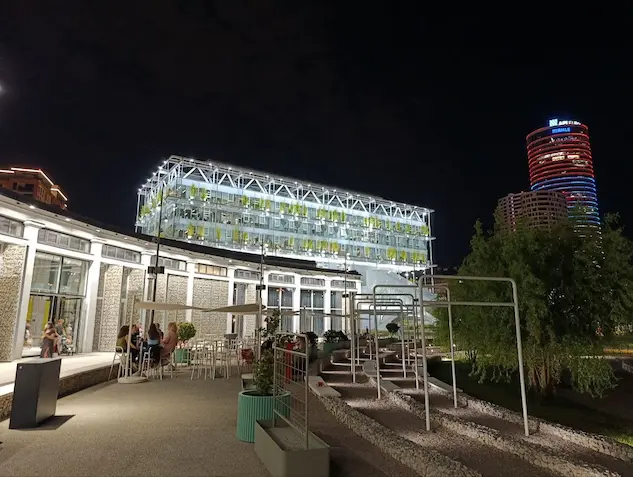
Urban regeneration in the Balkans is reshaping cities through municipal funding, European grants and private investment. Four projects in Sofia, Thessaloniki, Belgrade, and Athens show how urban value is created, who benefits, and who bears the long-term costs.
Read MoreUrban Regeneration in the Balkans: Who Pays, Who Benefits?Energy and Investment Days 2026: Grid Modernisation, Energy Security and Investment in the Western Balkans
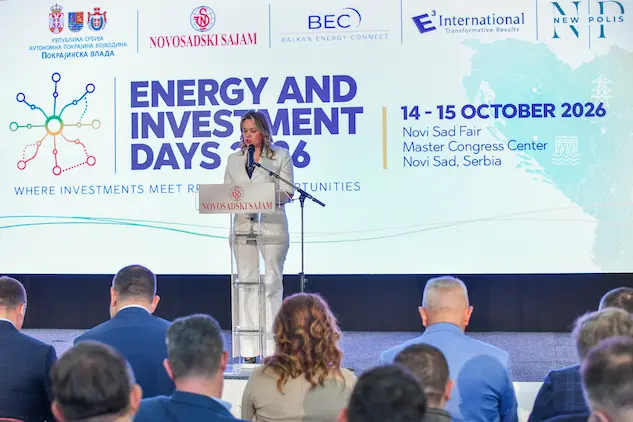
Energy & Investment Days 2026 brought together energy experts, public institutions, investors and technology companies in Novi Sad to discuss grid modernisation, energy security and investment in the Western Balkans. The conference explored renewable energy integration, cybersecurity, project financing and regional cooperation, while creating opportunities for practical business partnerships.
Read MoreEnergy and Investment Days 2026: Grid Modernisation, Energy Security and Investment in the Western BalkansEuropean Green Cities: Five Urban Lessons Worth Learning
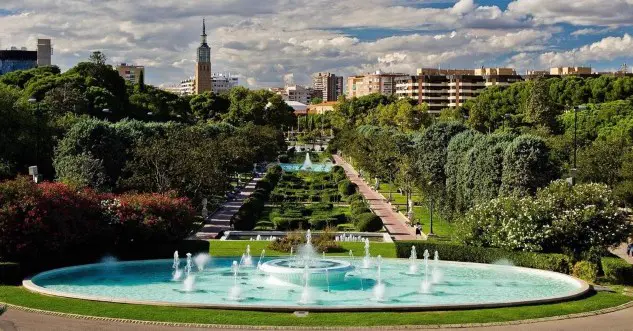
Europe’s 2028 green city winners and finalists offer practical insights into sustainable urban development, from acoustic planning and water management to industrial cooperation and cleaner heating. Five cities show how environmental policies are implemented, what results have been achieved and which challenges remain.
Read MoreEuropean Green Cities: Five Urban Lessons Worth LearningEnergy Week Western Balkans 2026: From Renewable Ambitions to Real Projects
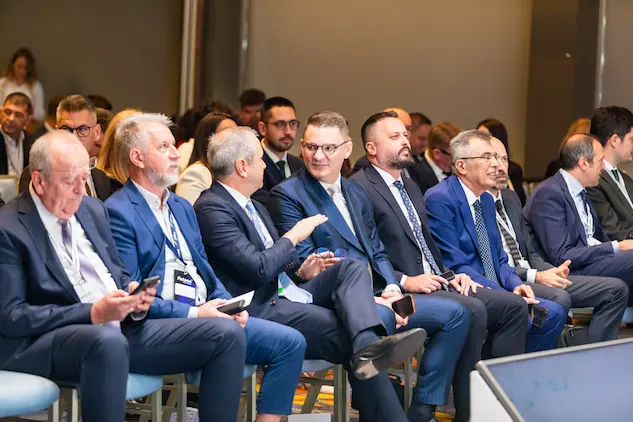
Energy Week Western Balkans 2026 brought together regional policymakers, investors and energy companies to discuss the practical challenges of renewable energy development. The discussions pointed to progress on new projects, but also to the growing importance of grid capacity, energy storage, financing and regional electricity market integration.
Read MoreEnergy Week Western Balkans 2026: From Renewable Ambitions to Real ProjectsAI Data Centres: How Power Is Redrawing Southeast Europe’s Digital Map
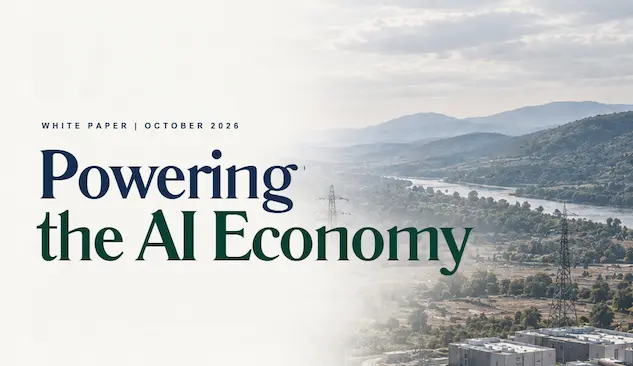
Artificial intelligence is reshaping the geography of data centre investment as access to reliable power, grid capacity, land and connectivity becomes increasingly critical. This analysis examines where Southeast Europe could support the next generation of large scale AI data centre infrastructure.
Read MoreAI Data Centres: How Power Is Redrawing Southeast Europe’s Digital MapAI Data Centre Infrastructure: How AI Is Redrawing Europe’s Digital Map
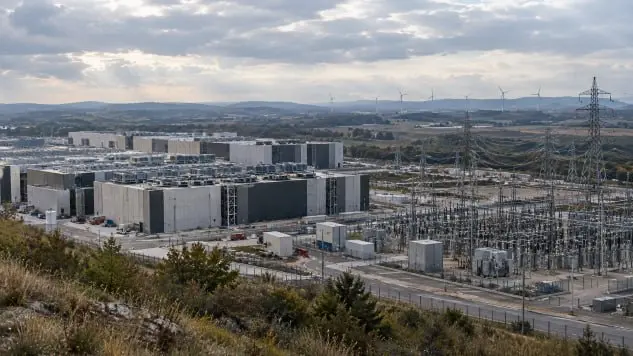
AI is changing Europe’s data centre geography as access to power, grid capacity and scalable land becomes increasingly important for new projects. Southeast Europe is emerging as one of the regions where these infrastructure conditions are beginning to converge.
Read MoreAI Data Centre Infrastructure: How AI Is Redrawing Europe’s Digital MapBeyond Megawatts: Grid Readiness and Energy Competitiveness in the Balkans
Beyond Megawatts examines how generation, grid capacity and flexibility shape the ability of eight Balkan electricity systems to accommodate new energy-intensive investment. It looks beyond installed capacity to ask a more practical question: how much power can a new investor actually access, where, on what terms and within what timeframe?
Read MoreBeyond Megawatts: Grid Readiness and Energy Competitiveness in the BalkansFewer Panels, More Conversations and What Happens Next
Energy & Investment Days 2026 will take place on 14–15 October at Novi Sad Fair, with the support of the Provincial Secretariat for Energy, Construction and Transport of the Government of Vojvodina. The programme of Energy & Investment Days brings…
Paris Housing Policy: Can the City Unlock the Homes It Already Has
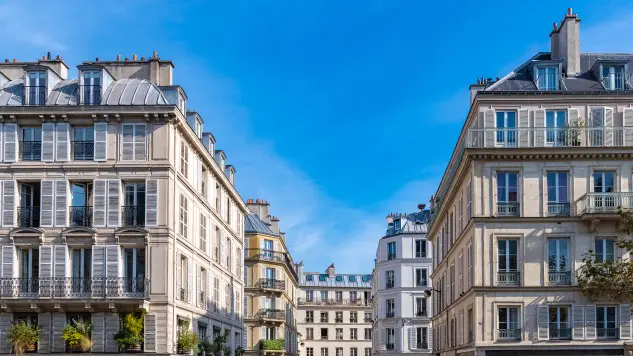
Paris is tackling its housing crisis not only by building more homes, but by changing how the existing housing stock is used. From vacancy taxes and tourist-rental restrictions to office conversions and public acquisitions, its experiment asks how far a city can regulate housing use without undermining the private rental market.
Read MoreParis Housing Policy: Can the City Unlock the Homes It Already HasCorporate Sustainability Is Becoming More Pragmatic
Corporate sustainability is not losing momentum, but the forces driving it are changing. WEF’s first CSO Outlook shows a shift towards business value, technology and resilience, while global agreements and public pressure play a smaller role.
Read MoreCorporate Sustainability Is Becoming More Pragmatic