
Sustainable Development
Corporate Sustainability Is Becoming More Pragmatic

Corporate sustainability is not losing momentum, but the forces driving it are changing. WEF’s first CSO Outlook shows a shift towards business value, technology and resilience, while global agreements and public pressure play a smaller role.
Read MoreCorporate Sustainability Is Becoming More PragmaticThe Missing 100 MW: Why Balkan Grid Readiness Is Becoming an Investment Bottleneck
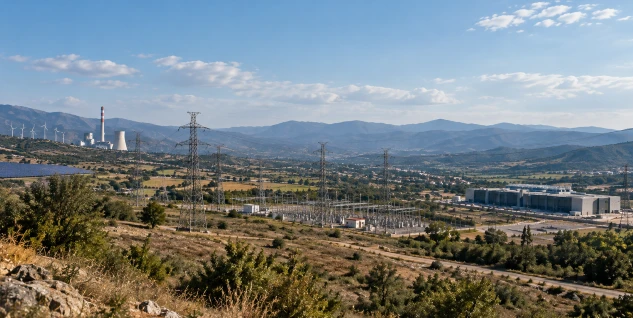
For a new data centre or industrial project, having enough electricity in the national power system is only the beginning. New Polis examines whether Balkan grids can deliver 100 MW where it is needed, how transparency affects investment decisions, and why flexibility is becoming the next test.
Read MoreThe Missing 100 MW: Why Balkan Grid Readiness Is Becoming an Investment BottleneckWildfire Risk in Europe: What the 2026 Fire Season Is Really Costing

Europe’s 2026 wildfire season shows how heat, drought and extreme weather are reshaping wildfire risk across the continent. From Spain and France to the Balkans, the growing costs point to an urgent need for fire-resilient landscapes and stronger prevention
Read MoreWildfire Risk in Europe: What the 2026 Fire Season Is Really CostingDigital Energy, New Vulnerabilities: Why Cyber Resilience Matters for the Energy Transition
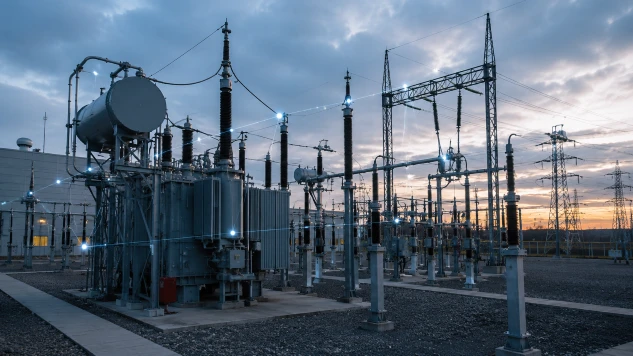
How secure is an energy system increasingly run through software, data and millions of connected devices? This article explores how digitalisation is reshaping energy security, from smart grids and battery storage to cyber resilience, regulation and the vulnerabilities emerging across an increasingly connected power system.
Read MoreDigital Energy, New Vulnerabilities: Why Cyber Resilience Matters for the Energy TransitionThe Environmental Impact of AI: Energy, Water and Land Behind the Digital Boom
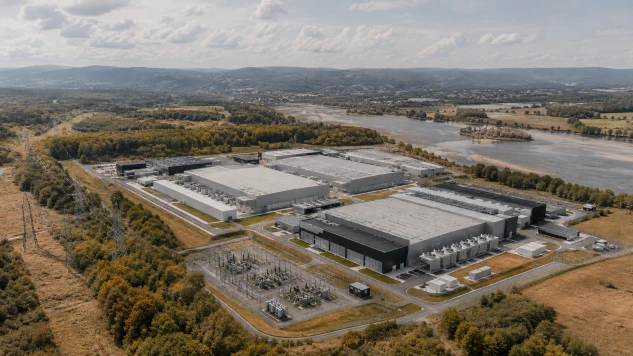
AI may seem weightless and digital, but its rapid expansion depends on increasingly resource-intensive infrastructure. Drawing on new research from UNU-INWEH and the IEA, this article looks beyond carbon emissions to explore how the AI boom is reshaping demand for energy, water and land, and why these pressures are becoming an issue for infrastructure planning.
Read MoreThe Environmental Impact of AI: Energy, Water and Land Behind the Digital BoomLow River Levels and Urban Resilience: Europe’s Hidden Infrastructure Risk
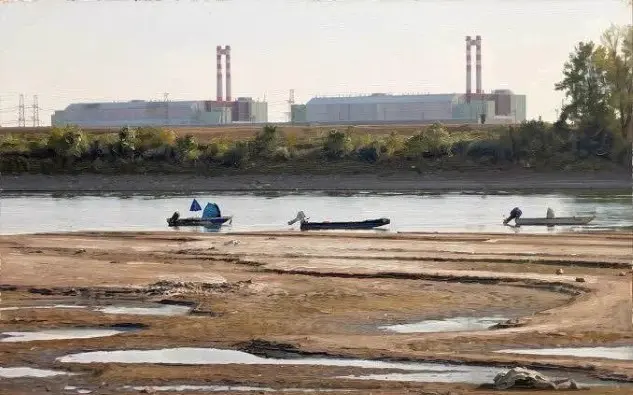
Europe’s record-low river levels in the summer of 2026 disrupted far more than navigation, affecting power generation, transport, tourism and industrial supply chains. The events reveal why rivers should be viewed not only as natural landscapes but also as critical infrastructure essential to urban resilience.
Read MoreLow River Levels and Urban Resilience: Europe’s Hidden Infrastructure RiskUN SDG Report 2026: Progress Continues, but the Window for Delivery Is Closing

The UN SDG Report 2026 presents a balanced assessment of global progress toward the Sustainable Development Goals, highlighting significant achievements alongside growing implementation challenges. The report argues that financing, institutional capacity and trustworthy data have become the decisive factors for delivering the 2030 Agenda.
Read MoreUN SDG Report 2026: Progress Continues, but the Window for Delivery Is ClosingAI Data Centres and the Energy Transition: How Artificial Intelligence Is Reshaping Energy Investment

Artificial intelligence is no longer just a digital technology. It is becoming a powerful force reshaping energy investment, electricity infrastructure and regional competitiveness, creating new opportunities for the Western Balkans in the emerging AI economy.
Read MoreAI Data Centres and the Energy Transition: How Artificial Intelligence Is Reshaping Energy InvestmentSustainable Development Report 2026: Why Sustainable Cities Need Faster Action
The Sustainable Development Report 2026 arrives at a critical moment for governments, cities, and international institutions. With less than four years remaining before the 2030 deadline, the report confirms a sobering reality: none of the 17 Sustainable Development Goals (SDGs)…
Libraries and Sustainable Development: How Libraries Support the Sustainable Development Goals
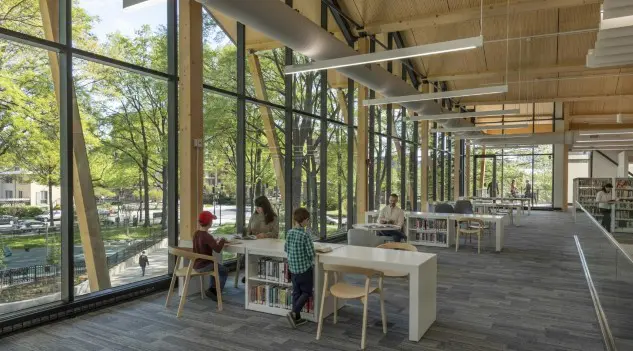
Modern libraries have evolved far beyond their traditional role, becoming essential institutions that support education, digital inclusion, AI literacy, and community resilience. This article explores how libraries contribute to the Sustainable Development Goals through lifelong learning, equitable access to information, and partnerships that strengthen sustainable development.
Read MoreLibraries and Sustainable Development: How Libraries Support the Sustainable Development Goals