Edible City: How Urban Gardens Transform Cities Beyond Food

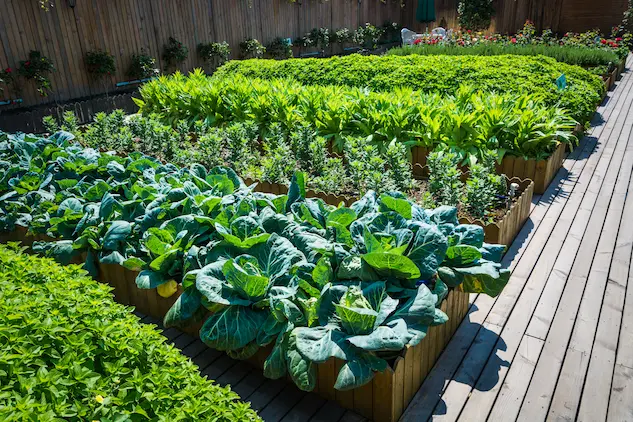
Edible cities integrate urban gardens into public spaces, delivering multiple social, ecological, and economic benefits beyond food production. From Andernach to Belgrade, European cities are piloting edible landscapes as infrastructure for climate adaptation, community building, and environmental education. Research shows that inclusive, co-designed programs yield stronger social outcomes than purely technological approaches. Practical guidance for planners emphasizes mapping, governance, skills pipelines, and a mosaic of micro-sites to maximize impact.
Read MoreEdible City: How Urban Gardens Transform Cities Beyond Food

The Rise of City Harbor Swimming in Modern Cities

City Harbor Swimming
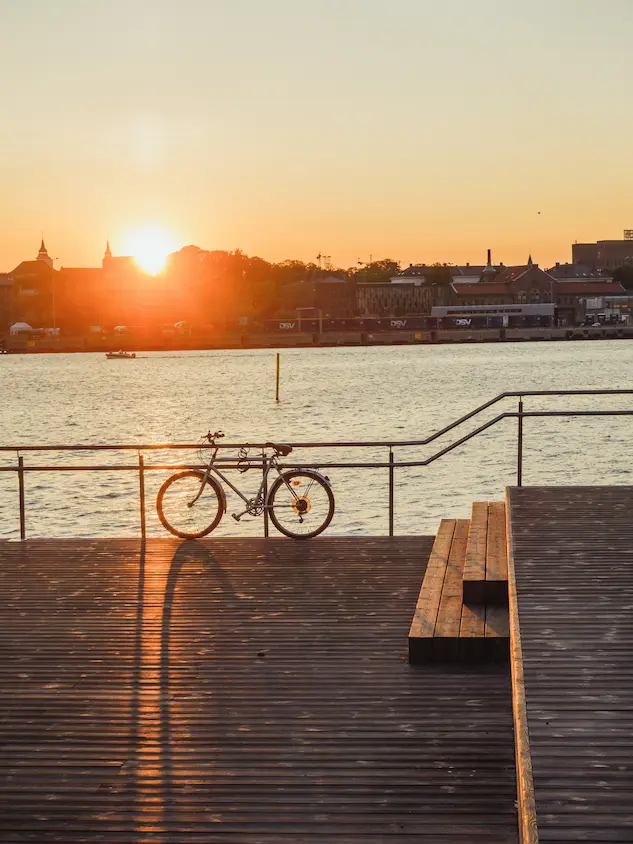
Harbor baths turn urban waterways into vibrant, accessible public spaces. City harbor swimming not only provides recreation but helps cities cope with rising heat and climate stress. Northern European cities like Copenhagen have shown how design, water quality management, and civic engagement can reclaim polluted harbors. Today, these spaces combine wellness, sustainability, and social inclusivity, redefining the city’s relationship with its water.
Read MoreThe Rise of City Harbor Swimming in Modern Cities

Setting the Stage for Change: The Vision Behind the Upcoming SBS Leaders Forum

Geoff Archenhold
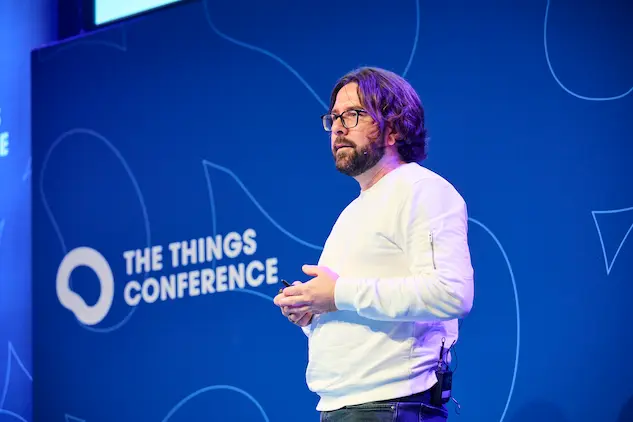
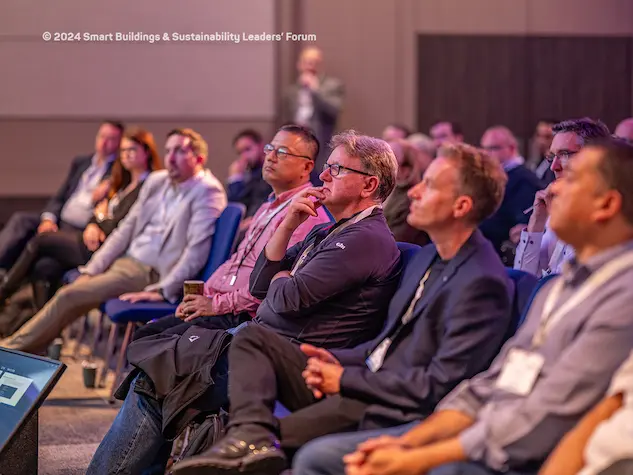
As part of our partnership with the Smart Building and Sustainability Leaders Forum, we spoke with Geoff Archenhold, Chair and Co-Founder of the event, to discuss the Forum’s unique approach to driving practical change in the built environment sector. Set to take place next month, the SBS Forum has quickly gained recognition as a vital platform for cross-sector collaboration on smart and sustainable buildings. In this interview, Geoff shares the vision behind the Forum, the challenges it aims to address, and why bridging the gap between technology, policy, and real-world implementation is more urgent than ever.
Read MoreSetting the Stage for Change: The Vision Behind the Upcoming SBS Leaders Forum

Belgrade’s Green Cover in Crisis: How a June Heatwave Stripped the City’s Vegetation

Belgrade’s Green Cover
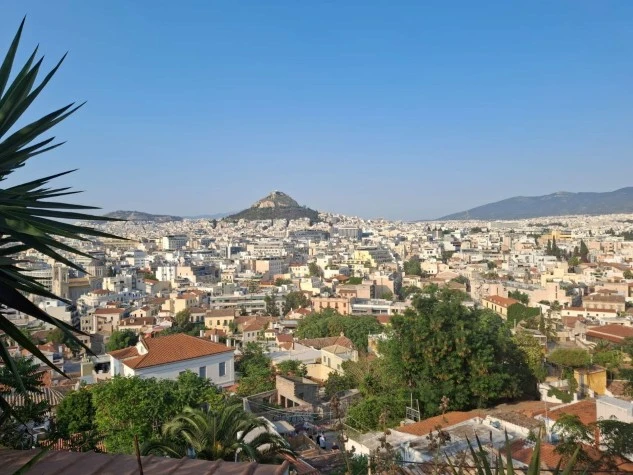
In June 2025, Belgrade experienced record-breaking heat, leading to a sharp decline in urban vegetation. Using NDVI data from Landsat satellites, this article analyzes the spatial and sectoral impacts of the heatwave on Belgrade’s green cover. Parks, residential zones, and industrial areas all showed significant vegetation stress, revealing disparities in resilience. The findings frame vegetation as critical infrastructure—essential for cooling, health, and economic stability—and call for urgent adaptation in urban planning amid escalating climate risks.
Read MoreBelgrade’s Green Cover in Crisis: How a June Heatwave Stripped the City’s Vegetation

Air Quality in the Balkan Capitals: Confronting the Urban Sustainability Challenge

Air Quality in Balkan Capitals
Air quality in the Balkan capitals remains a defining challenge for the region’s urban sustainability goals. This article explores how pollution, carbon emissions, and weak governance are constraining progress in Western Balkan cities. Despite lower per capita emissions, cities struggle to decarbonize due to fossil fuel dependence and outdated heating and transport systems. Public health impacts are severe, yet policy responses remain fragmented. The piece concludes by calling for a strategic shift from declarations to action to secure a sustainable urban future.
Read MoreAir Quality in the Balkan Capitals: Confronting the Urban Sustainability Challenge

SmartWaterTwin Project: Circular Economy for Urban Wastewater

SmartWaterTwin Project: Circular Economy for Urban Wastewater
Water scarcity and outdated wastewater systems threaten cities and industries across the Western Balkans. The SmartWaterTwin project aims to transform wastewater from a burden into a valuable resource. By applying circular economy principles, the project enables energy, nutrient, and water recovery. It provides tools, training, and a digital HUB to guide municipalities and industries toward sustainable water management. This approach strengthens local capacity while aligning with EU and climate goals.
Read MoreSmartWaterTwin Project: Circular Economy for Urban Wastewater

Above the Heat: Why Cities Need White Roofs Now

As global temperatures rise, cities need affordable ways to stay cool—white roofs offer one. Reflective coatings can lower indoor temperatures by up to 6 °C and reduce urban heat by 2 °C. Case studies from London to Delhi slums show clear benefits in comfort, energy savings, and emissions. These coatings are low-cost, easy to apply, and often community-led. Despite some trade-offs, white roofs are a powerful tool for cooler, healthier cities.
Read MoreAbove the Heat: Why Cities Need White Roofs Now

Future-Proofing the Region: Insights from Bloomberg Adria Serbia

Bloomberg Adria Serbia
Bloomberg Adria Serbia: Sustainable Strategies brought together leaders from business, finance, and government to explore practical pathways to climate action. From green finance and energy-efficient AI to ESG-driven urban mobility, the event showed that sustainability is now a strategic, not symbolic, priority. Author: Semyon Gudkov, Sustainability Analyst and Founder of the NGO Pulse Urban Alliance
Read MoreFuture-Proofing the Region: Insights from Bloomberg Adria Serbia

From Risk to Resilience: Urban Heat Adaptation in Action

heat adaptation
As extreme heat becomes an escalating urban threat, cities worldwide are pioneering bold adaptation strategies to protect public health, infrastructure, and economic vitality. From green canopies and reflective rooftops to reimagined public spaces, From Risk to Resilience showcases climate-smart planning are transforming heat-vulnerable cities into hubs of resilience.
Read MoreFrom Risk to Resilience: Urban Heat Adaptation in Action
×