Guangzhou’s Innovative Practice: The Mixed Traffic Lane Mode

guangzhous-innovative-practice-the-mixed-traffic-lane-mode
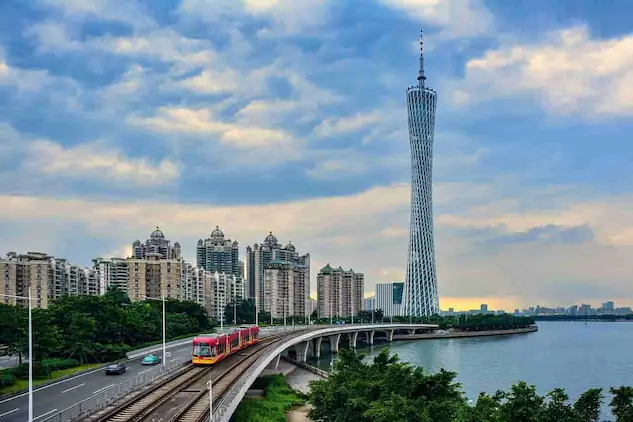
Guangzhou has pioneered the Mixed Traffic Lane Mode as an innovative response to rising electric bicycle use and limited road space. By merging motorized and non-motorized traffic within designated lanes, the model improves traffic order, enhances safety, and optimizes urban mobility. Early results from pilot projects show reduced congestion, safer conditions, and more efficient use of road resources, positioning this approach as a scalable solution for dense urban environments.
Read MoreGuangzhou’s Innovative Practice: The Mixed Traffic Lane Mode

Steering Autonomous Vehicles and Sustainable Cities Toward a Liveable Future

autonomous vehicle
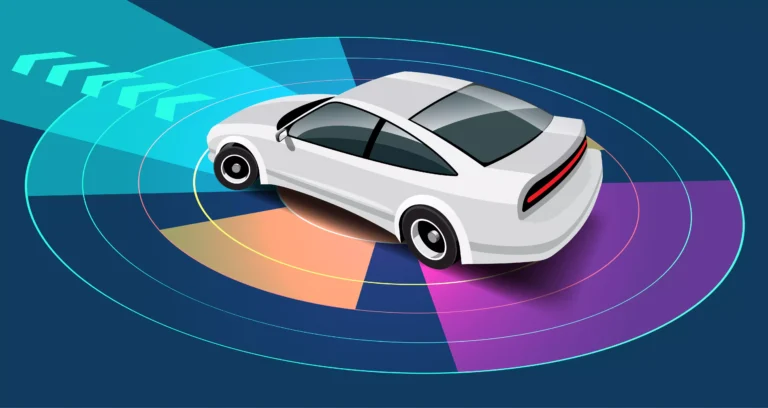
Autonomous vehicles (AVs) could either deepen car dependency or support sustainable, liveable cities. This article contrasts two scenarios: private AVs driving congestion versus shared AVs integrated with transit. Drawing on examples from Singapore, Phoenix, and Stockholm, it highlights key tools — transport hierarchy and road pricing — to guide cities toward greener, fairer futures.
Read MoreSteering Autonomous Vehicles and Sustainable Cities Toward a Liveable Future

Is “Highways and Low-Altitude” a Viable Business Model?

highways
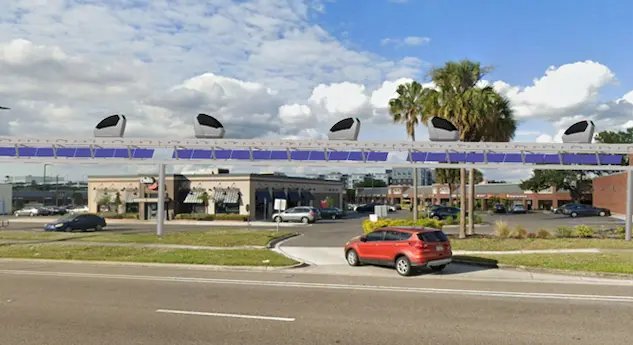
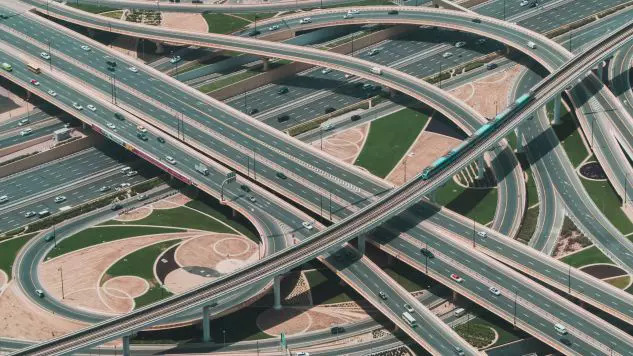
The integration of China’s highway infrastructure with the growing low-altitude economy offers a cost-effective way to expand transport capacity. By converting underused service areas into drone hubs, upgrading navigation systems, and coordinating energy networks, the model can improve logistics efficiency, strengthen emergency response, and reduce emissions. This approach promises significant economic returns and social value, provided that policy, technology, and community engagement advance in step. The article is provided by our media partner 7ITSNEWS.
Read MoreIs “Highways and Low-Altitude” a Viable Business Model?

Smarter Transport for the Western Balkans: An Interview with Matej Zakonjšek

Matej Zakonjšek
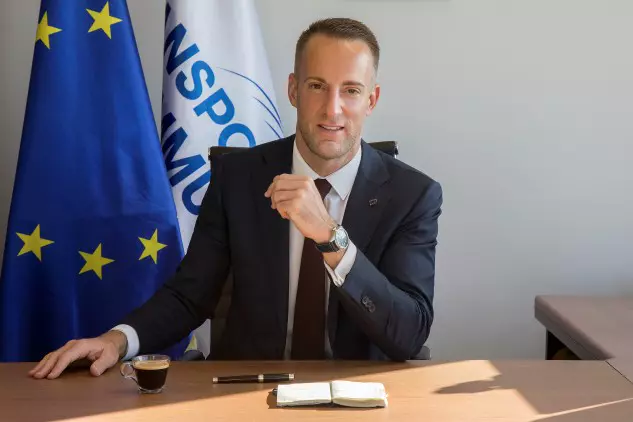
Transport is more than infrastructure—it connects people and builds opportunities. In this interview, the Transport Community outlines how it is integrating Western Balkan transport with the EU, modernising rail, reducing border delays, and promoting sustainable mobility. From Green Lanes to the Belgrade–Niš railway, EU-backed projects are transforming the region’s connectivity, while smart mobility and clean urban transport remain key priorities. The vision: a seamlessly connected Western Balkans as part of Europe’s sustainable future.
Read MoreSmarter Transport for the Western Balkans: An Interview with Matej Zakonjšek

Beyond the Stage of the ITS European Congress 2025: Technologies in Motion, Ideas in Action

ITS Congress 2025 banner

From self-driving shuttles to lidar at intersections, the ITS European Congress 2025 brought smart mobility into the spotlight — with clarity, ambition, and real traction. Earlier, we have summarised the key themes and insights from the ITS European Congress 2025…

Read MoreBeyond the Stage of the ITS European Congress 2025: Technologies in Motion, Ideas in Action

Shaping Tomorrow’s Mobility Today: Interview with Joost Vantomme on the Future of Smart Transport

Joost Vantomme

As the 2025 ITS Congress approaches, we conducted an interview with Joost Vantomme, CEO of ERTICO – ITS Europe, to explore what makes this year’s gathering in Seville a milestone for intelligent mobility. With over three decades of experience at…

Read MoreShaping Tomorrow’s Mobility Today: Interview with Joost Vantomme on the Future of Smart Transport

Best Urban Sustainability Indices (Part I): How Top Cities Are Ranked and Why It Matters

green city
Urban sustainability rankings shape how cities are seen—and how they act. But are these indices truly capturing what matters most? In this first part of our deep dive, we explore the best urban sustainability indices and the surprising assumptions behind their scores.
Read MoreBest Urban Sustainability Indices (Part I): How Top Cities Are Ranked and Why It Matters
×