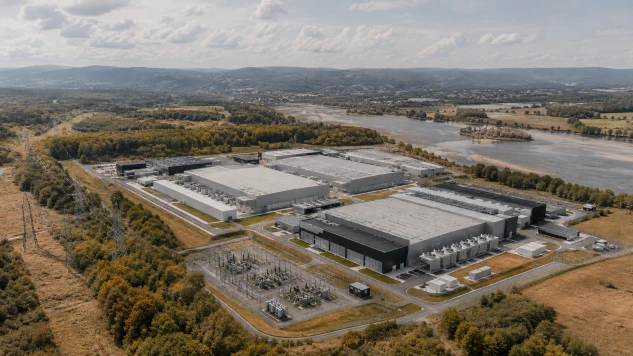
AI may seem weightless and digital, but its rapid expansion depends on increasingly resource-intensive infrastructure. Drawing on new research from UNU-INWEH and the IEA, this article looks beyond carbon emissions to explore how the AI boom is reshaping demand for energy, water and land, and why these pressures are becoming an issue for infrastructure planning.
Read MoreThe Environmental Impact of AI: Energy, Water and Land Behind the Digital Boom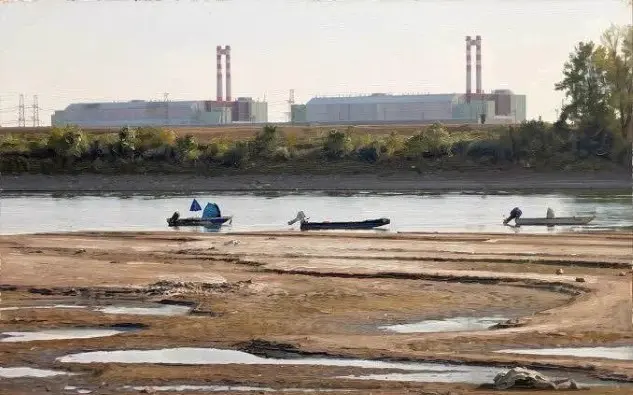
Europe's record-low river levels in the summer of 2026 disrupted far more than navigation, affecting power generation, transport, tourism and industrial supply chains. The events reveal why rivers should be viewed not only as natural landscapes but also as critical infrastructure essential to urban resilience.
Read MoreLow River Levels and Urban Resilience: Europe’s Hidden Infrastructure Risk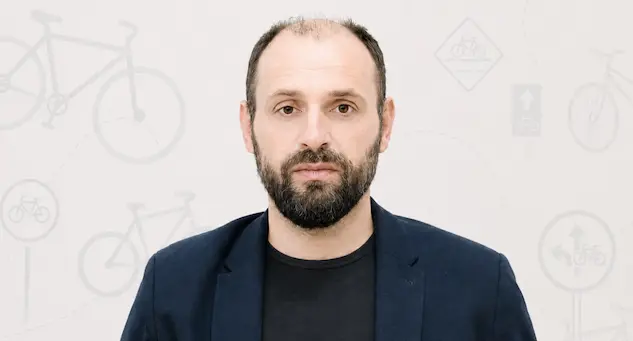
Cycling is increasingly recognised as one of the most effective investments in sustainable urban mobility, yet cities across the Western Balkans continue to struggle with car dependency and limited cycling infrastructure. In this interview, one of Serbia's leading cycling advocates discusses the progress being made, the political and cultural barriers that remain, and why cycling infrastructure in the Western Balkans is essential for healthier, more liveable and more resilient cities.
Read MoreCycling Infrastructure in the Western Balkans: Why Streets Must Work for People, Not Cars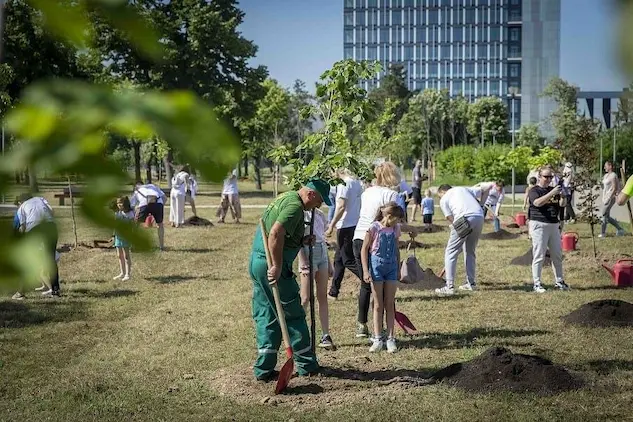
As cities become hotter and more densely populated, trees are no longer just an aesthetic feature but an essential part of urban infrastructure. This article explains why urban tree planting matters for public health, climate adaptation and community engagement, while introducing Serbia's "Plant Your Shade" initiative.
Read MoreUrban Tree Planting: A Community Solution for Healthier Cities
Macedonian Energy Forum 2026 brought together policymakers, international organisations, investors and energy experts to discuss energy transition and climate resilience in Southeast Europe. The forum highlighted the growing importance of regional cooperation, infrastructure investment and practical implementation on the Road to COP31.
Read MoreMacedonian Energy Forum 2026: Connecting Climate Ambition with Regional Energy Transition
Urban heat resilience strategies increasingly rely on digital tools, heat mapping, and building performance models, yet trees remain largely excluded from the systems used to guide investment and regulatory decisions. This article examines why urban forests continue to be treated as contextual elements rather than critical cooling infrastructure, despite extensive evidence of their thermal, social, and public health benefits. It argues that integrating tree canopy data into urban heat resilience planning is essential for equitable and effective climate adaptation.
Read MoreThe tree in the machine: Why urban heat resilience planning still can’t see the tree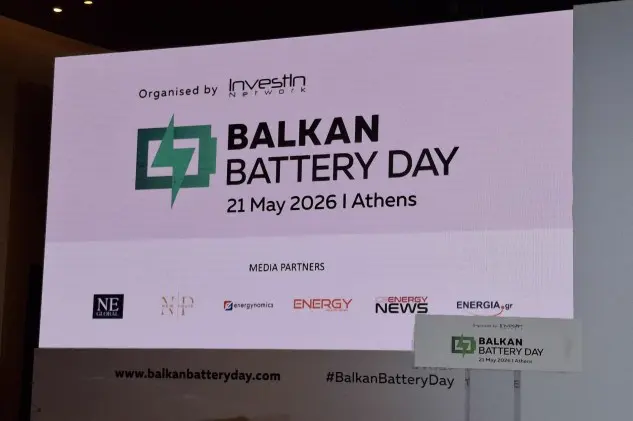
Balkan Battery Day 2026 in Athens brought together developers, investors, utilities and technology providers to discuss the rapid growth of battery energy storage across Southeast Europe. The conference focused on grid access, financing, market regulation and the growing role of BESS in supporting renewable integration and energy security.
Read MoreBalkan Battery Day 2026: Southeast Europe’s Storage Market Moves Toward Implementation
Ahead of Balkan Battery Day 2026, New Polis spoke with Alex Blomfield about the rapid growth of energy storage in Southeast Europe and the challenges facing the region’s evolving battery market. In the interview, he discusses regulation, financing, grid flexibility, and the investment outlook for storage projects across the Balkans.
Read MoreEnergy Storage in the Balkans: An Interview with Alex Blomfield Ahead of Balkan Battery Day
Belgrade Energy Forum 2026 in Belgrade brought together policymakers, companies and energy experts to discuss security, CBAM, infrastructure and the challenges facing Southeast Europe’s energy transition. The discussions highlighted the growing importance of regional projects and cross-border cooperation in a period of geopolitical instability and market uncertainty.
Read MoreBelgrade Energy Forum 2026: Energy Transition Under Pressure
The Three Seas Initiative Summit and Business Forum in Dubrovnik reflected a growing shift from regional strategy toward implementation-focused cooperation. Discussions centred on energy security, infrastructure, investment readiness and the increasing geopolitical role of connectivity and digital systems.
Read MoreLess Strategy, More Implementation: Reflections from the Three Seas Initiative Summit and Business Forum