
The article about human-centric smart mobility is provided by our media partner 7ITSNEWS.
Ethical challenges for human-centric smart mobility
We are entering a world where roads “think,” vehicles “communicate,” and urban networks optimize themselves in real time. When roads begin to “think”, do we lose ourselves? Yet the pursuit of perfect safety and frictionless efficiency risks washing away the cultural, emotional, and social rituals that once defined the experience of moving through the world. In this new landscape of intelligent connectivity, the question becomes urgent: how do we preserve a human-centric smart mobility model that values autonomy, dignity, and connection, not just performance metrics?
The erosion of driving agency: from road royalty to system passenger
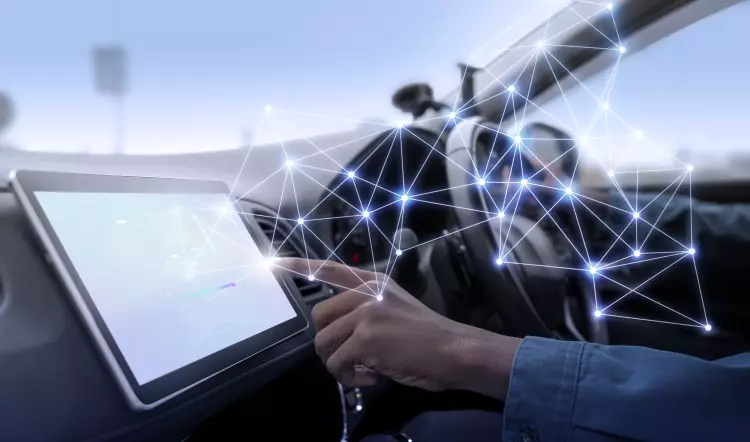
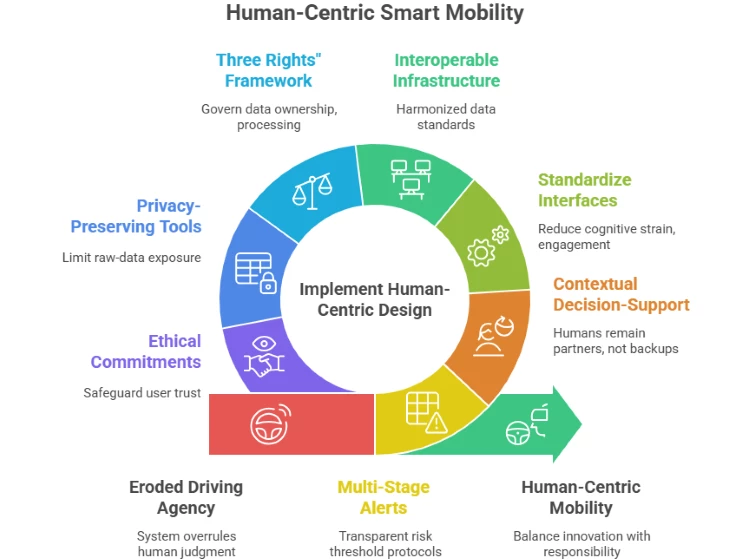
Driving once embodied independence and self-determination. Now, intelligent systems make split-second decisions that can overrule human judgment. When algorithms assume authority, they may prevent accidents, but they can also weaken public trust and diminish the driver’s role from active agent to passive passenger. Will manual driving survive only as a nostalgic pastime?
Industry pathways toward human-centric smart mobility:
- Implement multi-stage alerts and takeover protocols tied to transparent risk thresholds.
- Combine driver monitoring systems with contextual decision-support so humans remain partners, not backups.
- Standardize human-machine interfaces to reduce cognitive strain and maintain driver engagement.
The end of road privacy: from anonymous travel to digital oversight
Smart mobility systems depend on vast streams of data, from route choices to behavioral signals, creating a near-continuous digital imprint of each traveler. While essential for optimizing traffic and reducing emissions, such data flows introduce new vulnerabilities, from insurance profiling to commercial exploitation. Privacy, once incidental to mobility, now demands deliberate protection.
Industry solutions for ethical smart roads:
- Develop interoperable digital infrastructures with harmonized data standards.
- Adopt a “Three Rights” framework governing ownership, processing, and use of mobility data.
- Apply privacy-preserving tools such as edge computing and federated learning to limit raw-data exposure.
- Encourage sector-wide ethical commitments to safeguard user trust.
Rethinking sociality in motion: from chance encounters to curated journeys
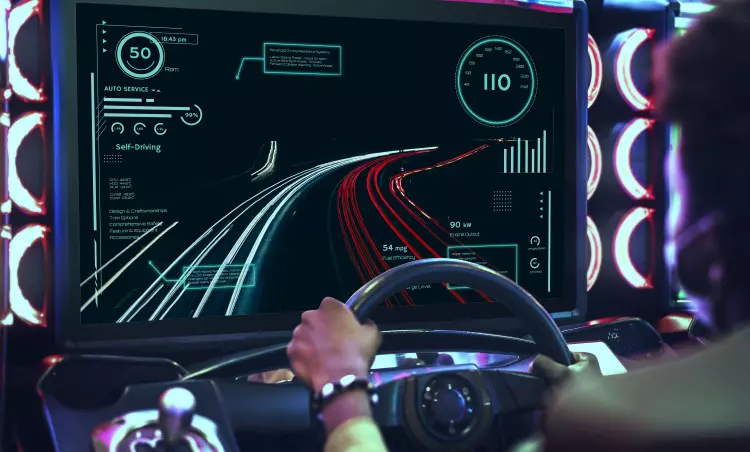
Highways and rest stops once facilitated spontaneous exchanges, a fleeting wave, a shared joke, a moment of community on the move. As connected mobility systems prioritize routing efficiency, these unscripted interactions risk fading into the background. Algorithmic matching could create insulated “travel bubbles,” narrowing exposure to new people and experiences.
Industry insights for socially aware mobility design:
- Reimagine rest areas as digital-physical community hubs where travelers connect around shared interests.
- Use V2X platforms to build supportive virtual networks for long-distance and professional drivers.
- Develop AR-based exploration tools and travel games that restore discovery and playfulness to the journey.
Bridging innovation with responsibility: designing governance for the age of intelligent roads
A future shaped by connected mobility systems requires more than sophisticated algorithms. It demands governance frameworks that anticipate ethical trade-offs, protect citizens, and reinforce public legitimacy. As jurisdictions craft mobility policies, balance is essential between innovation and oversight, automation and autonomy, efficiency and human values.
Conclusion: toward a truly human-centric digital road
Creating intelligent roads is not only an engineering challenge but also a cultural one. To build human-centric smart mobility, technologists must design with empathy, planners must consider social as well as technical impact, and regulators must ensure that innovation protects rather than diminishes the public good.
The goal is not simply smarter networks, but journeys that preserve human agency, safeguard privacy, and strengthen connections. Mobility should evolve, but not at the cost of the humanity it is meant to serve.
About the Author: Wei Xinxin, chief researcher at the Ministry of Transport’s Planning Institute and a standing committee member of the China Highway Society’s Transportation Culture Committee.
Read more about smart and sustainable mobility here and here.