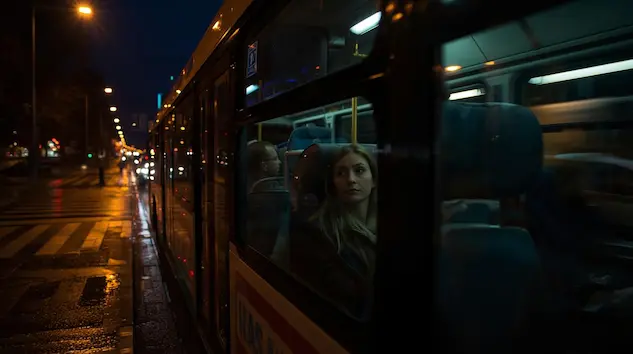

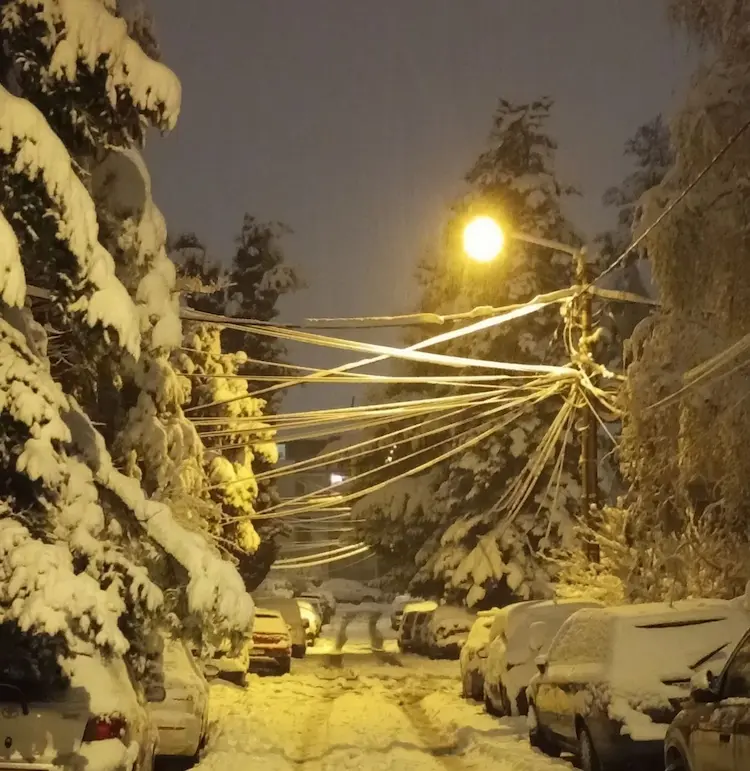
The beginning of 2026 was marked by exceptional snowstorms across Europe and North America, linked to an accelerating climate instability. Extreme winter precipitation disrupted transport systems, increased injury rates, and revealed a persistent structural flaw: cities continue to clear snow primarily for cars rather than for people’s everyday mobility. In this context, gender-sensitive snow clearance is no longer a niche policy idea but a core component of resilient and inclusive urban governance.
Smart urban planning, within the framework of smart and sustainable cities, must go beyond technology and operational efficiency to address equity in everyday urban practices. Equity is often discussed in abstract terms, but what happens when a routine service like snow removal exposes how deeply cities fail to accommodate the daily needs of half the population?
This was the key insight emerging from Swedish cities such as Karlskoga and Stockholm, where gender analysis transformed winter maintenance into a powerful case study of inclusive and truly smart urban planning.
Whose routes are prioritised in snow clearance policies?
Before the policy change in Karlskoga, the standard snow-clearing strategy prioritized major roads, followed by access to predominantly male-dominated workplaces, such as construction sites. Only afterward were pedestrian walkways and cycling paths addressed. On paper, this may have seemed neutral. In reality, it overlooked the complex, nonlinear routes many women follow throughout their day, routes shaped by caregiving responsibilities, part-time work, shopping, school runs, and support for elderly family members.
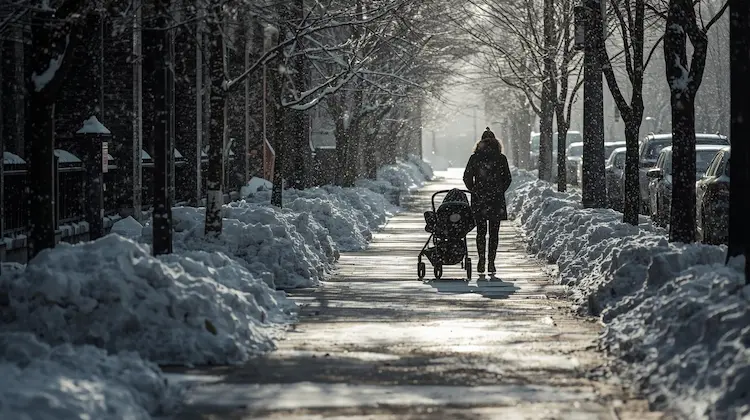
The Global Mobility Report confirms that women, on average, make more daily trips than men, often relying on public transportation and traveling shorter, multi-stop routes. Women continue to shoulder most unpaid care responsibilities, which shape distinct mobility patterns, including frequent short-distance trips, multi-stop journeys such as school–shop–work–home, and travel while accompanying children, dependents, or carrying bags and strollers. In Stockholm, a mobility survey showed that 79% of pedestrian trips are made by women. Vice Mayor Daniel Helldén emphasized that “this issue significantly affects women, as they walk and bike more often than men”. For Smart Urban Planning to be truly effective, it must consider such differences in mobility patterns and needs.
Why does traditional snow clearance increase risk and inequality?
Transport mode and vehicle ownership play a decisive role. According to Gender and Transport, men own almost 70% of cars in Sweden. Meanwhile, women are more likely to use buses, bicycles, or walk modes far more vulnerable to icy conditions. Studies highlight that it is physically easier to drive through 10 cm of snow than to walk or push a stroller through it.
This pattern reflects a broader European trend. Across Europe, an average of only 37% of women own a private car, compared to 72% of men, and just 51% of women hold a driving licence (versus 81% of men). As a result, women, who generally have less access to private cars worldwide, face higher exposure to winter risks when moving through the city. Even emerging alternatives do not fully offset this gap: in countries such as Norway, Finland, Germany, and Denmark, Mobility as a Service (MaaS) has been used by around 40% of women, compared to 49% of men.
The result? Pedestrians, including women, children, and the elderly, are disproportionately at risk of injury during winter. Statistics show that pedestrians are three times more likely to be injured in icy conditions than car drivers. In some Swedish regions, public healthcare costs associated with winter slip injuries have been reported to be up to four times higher than the cost of properly maintaining winter roads, underscoring that traditional snow clearance is not only inequitable but fiscally inefficient.
Can snow clearance be a low-cost, high-impact policy tool?
The solution implemented in Karlskoga and later in Stockholm wasn’t costly or complex. According to Bruno Rudström, the city’s gender equality strategist, the transformation required no major decisions. It was simply a matter of changing priorities.
Snow clearance now starts with:
- pedestrian routes;
- cycling infrastructure;
- areas around daycare centres, schools, and public transport stops;
- routes used by high-capacity bus lines.
Only after these spaces are cleared do municipalities turn to major roads. This shift has made urban life safer and more accessible not only for women but for children, seniors, and all pedestrians.
Why gender-sensitive snow clearance is not only a women’s issue?
While this may appear to be a policy shift for women, it is in fact a broader public health and economic efficiency issue. The inclusive lens of Smart Urban Planning uncovers practical, cost-effective solutions to problems that have long gone unnoticed simply because they were considered “neutral.” It directly improves urban accessibility for children, older people, people with disabilities, and anyone experiencing temporary mobility limitations.
Gender-sensitive snow clearance reveals how seemingly “neutral” routines can produce systemic exclusion, and how rethinking everyday practices can lead to smarter, more resilient cities without expensive technological fixes.
What does it take to make a snowy city accessible for everyone?
To turn gender-sensitive snow clearance into a systemic urban practice rather than an isolated case, cities need to:
- Collect and apply disaggregated data on pedestrian, cycling, and public-transport mobility.
- Redefine winter maintenance priorities based on everyday life routes rather than traffic volume alone.
- Integrate gender and inclusion analysis into municipal service standards and procurement.
- Link climate adaptation with social equity, acknowledging that extreme snowfall events will become more frequent under climate change.
- Involve diverse user groups in evaluating winter maintenance performance.
Gender-sensitive snow clearance is not a symbolic policy; it is a practical tool for climate adaptation, public health protection, and social equity. It brings urban planning back to a fundamental question that should guide all smart city strategies:
Whose everyday life are we designing our cities for?
Mini-FAQ (quick answers)
What is gender-sensitive snow clearance? It prioritises sidewalks, cycling routes, and public transport access based on everyday mobility rather than car traffic.
Why is snow clearance a public health issue? Pedestrian injuries on icy surfaces cost cities more in healthcare than proactive winter maintenance.
How does climate change affect winter maintenance? It increases extreme snow and ice events, making inclusive snow clearance a key urban climate adaptation tool.