
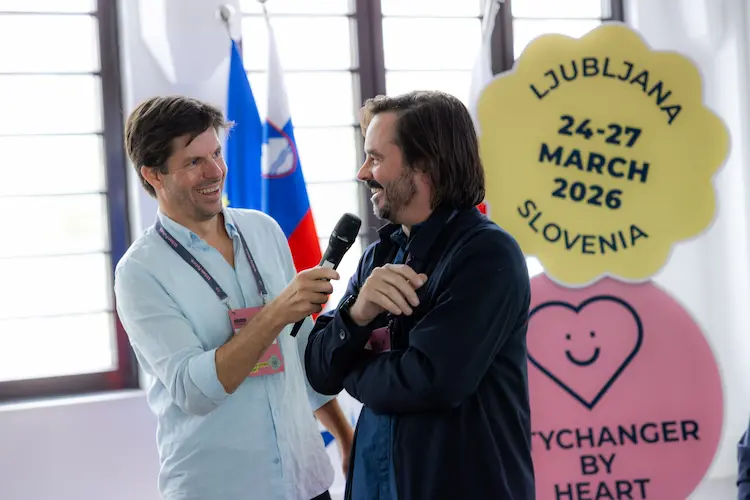
As Co-Founder and CEO of Urban Future, Gerald Babel-Sutter has spent more than a decade connecting communities of urban innovators. What began as a conference has evolved into a global network of practitioners who focus less on visionary rhetoric and more on the practical realities of transforming cities. Ahead of Urban Future 2026 in Ljubljana, Babel-Sutter explains why honest conversations about failures, stronger governance, and collaborative urban communities are essential if cities are to move from bold ideas to real transformation.
What makes urban future different
Urban Future brings together urbanists and city leaders from across the globe. For those who may not yet be familiar with the event, what sets Urban Future apart from other international conferences on smart and sustainable cities, and what makes the 2026 edition in Ljubljana particularly timely?
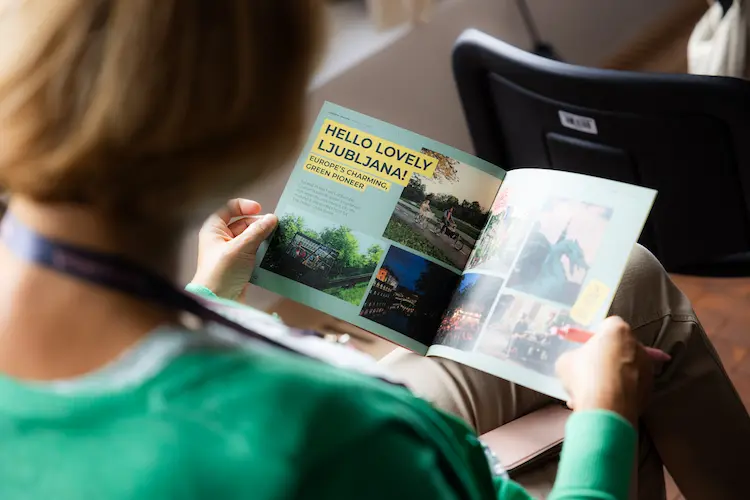
Urban Future is created for doers – and people share knowhow on getting things done. They go beyond the flashy visions or shiny renderings and get right into the “how”: what worked, what failed, and what it really takes to deliver change. Many people in city transformation feel almost like Urban Unicorns, because they see opportunities where most others only see obstacles. At Urban Future, these doers, these Urban Unicorns find their herd. Ljubljana 2026 is timely because cities need faster, fairer progress on resilience, circularity, and liveability, and Ljubljana is a powerful learning city for that moment.
Every Urban Future edition has its own spirit. If you had to describe the core theme or “energy” of Urban Future 2026 in one sentence, what would it be and why?
UF26 is where Europe’s most passionate urban shapers come together to share knowledge, to connect, and to help each other – because the future of cities is built by people who dare to act.
The big challenges cities must confront
This year’s programme introduces six tracks from City Centers and Tactical Urbanism to Circularity, Innovation in Governance, Resilient Societies, and Change Communications. Which of these conversations do you think will challenge city leaders the most and why?
I believe it is “Innovation in Governance”, simply because it asks whether our urban authorities can keep up not only with the rapidly growing mountain of challenges thrown at them, but also with the transformation people need and expect. Close behind is “Change Communications”, because even the best projects can and will fails if people don’t understand them, trust the people, and feel being part of it.
Urban Future is known for blending big strategic thinking with practical solutions. How do you ensure the programme goes beyond inspiration and actually helps participants implement change back home?
There are two critical ingredients needed. On one hand, our team designs each Urban Future event for exactly that: application! This includes speaker selection and session formats – but most importantly it requires everyone to be honest: it is not about speakers’ egos and a beauty parade of success stories. At Urban Future, the exchange is practical, sharing insight from real cases, including honest lessons from the very people who delivered them, including the problems and challenges along the way.
On the other hand, it is critical to attract the right crowd for this. It is not for everybody to get on stage in front of hundreds of people, sharing details about a disastrous project you’ve been leading. And not everyone sees the value of sharing mistakes. It is our team’s job to create the right atmosphere for everyone to feel safe and trusted to share. People who speak at and attend Urban Future are very much into an honest and realistic exchange that goes beyond the typical blah blah or sales pitches of “smart” city events.
From Łódź to Ljubljana: the evolution of the urban agenda
The previous Urban Future took place in Łódź in 2025. How does the Ljubljana edition reflect an evolution in priorities, themes, or format, and what key shifts in the urban agenda are you responding to this year?
Łódź 2025 highlighted a powerful truth: cities are not waiting for permission – they’re driving the biggest changes of our time. And Urban Future is “not about some theory – it’s about taking action.”
Ljubljana 2026 builds on that momentum in two ways:
- From “comeback stories” to systems that sustain progress: governance, resilience, and the communication skills needed to keep coalitions together. (Change is easy to announce, but hard to maintain.)
- From single projects to city-wide loops: circularity is a perfect example, it only works when partnerships, procurement, and daily operations align. And Slovenia/Ljubljana are a credible place to learn what makes circular strategies succeed.
Format-wise, our DNA stays the same: the host city is never a backdrop – Ljubljana is a partner and a classroom for all attendees to explore.
Building a global community of CityChangers
Urban Future has grown into a network of hundreds of partners and city changemakers. What role does community building play in moving from “conference talk” to real urban transformation?
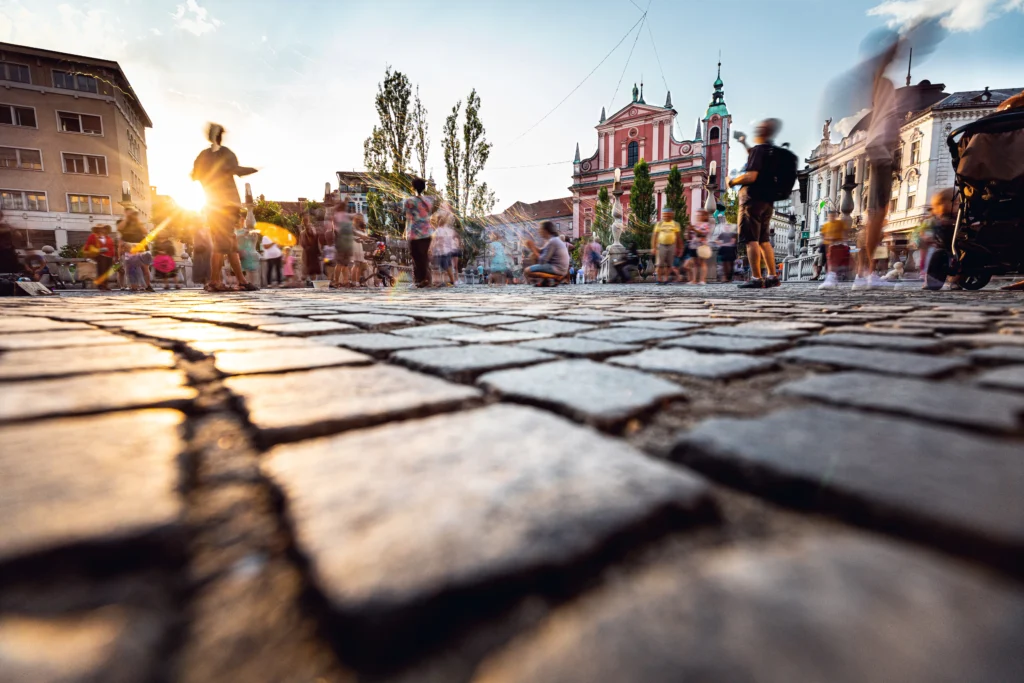
Actually, it is Community that sets Urban Future apart and is the bridge from “conference talk” to real-world impact. Being in charge of driving change is often a very lonely place, and it makes no difference what your formal powers or job title says. Many urban change agents – we call them CityChangers – feel isolated or fighting an uphill battle with a small or no team. Urban Future’s passion is to help this incredibly important drivers of urban transformation leave the isolation they feel and turn it into not only belonging, but especially into collaboration: inspiration received, knowledge shared, personal contacts made, and partnerships formed will create impact long after the event. In this, Urban Future is not just “an event”, but rather an international community built to inspire, share knowledge, and ultimately help others to take their first step in transforming their cities.
The personal motivation behind urban transformation
You are often described as a born change-maker. Looking back at your journey, what personal experience first convinced you that cities and the people shaping them can truly change the world?
When we stumbled into this concept, I had no idea. But when you start looking closely at what happens in cities around the world – even in your own city – and dig deeper into the very people behind such projects, you see that incredible amount of passion and the unbelievable number of amazing projects. It is actually what keeps me motivated and thinking positive these days: change and people who care are everywhere. Their passion and dedication make things happen that are hard to believe: someone starts to collect plastic trash on beaches, and this ultimately leads to shaping national legislation on plastic. Someone wants to rescue access food and “accidentially” creates one of the world’s largest food rescue NGOs. Someone has the plan to transform mobility in Vienna, and today there are more annual pass holders for public transport than registered cars.
There are tens of thousands of such stories – and when you learn about them, you see how important it is to take action … and not just wait for “someone up there” to fix things.
Practical advice for cities ready to act
Many of our readers are policymakers, planners, and urban innovators trying to make their cities smarter and more sustainable. If you had to suggest three practical first steps for them, what would you recommend starting tomorrow?
Step 1: Find allies and break down your big goal into smaller steps.
Step 2: Develop a solution and get started.
Step 3: If it does not work, go back to Step 3.
Read more about upcoming events here.