Helsinki and Tallinn joined forces to build a cross-border smart city ecosystem that bridges innovation and sustainability. Through the EU-funded FinEst Twins project, the cities piloted real-world solutions for clean energy, data, mobility, and healthcare. This model shows how collaboration across borders can scale urban resilience and improve quality of life worldwide.
Read MoreCross-Border Smart City Ecosystem: How Helsinki and Tallinn Built a Shared Future
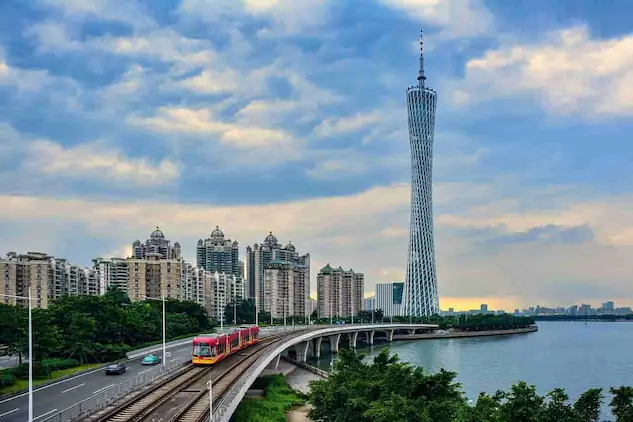
Guangzhou has pioneered the Mixed Traffic Lane Mode as an innovative response to rising electric bicycle use and limited road space. By merging motorized and non-motorized traffic within designated lanes, the model improves traffic order, enhances safety, and optimizes urban mobility. Early results from pilot projects show reduced congestion, safer conditions, and more efficient use of road resources, positioning this approach as a scalable solution for dense urban environments.
Read MoreGuangzhou’s Innovative Practice: The Mixed Traffic Lane Mode
How can the Western Balkans deliver the SDGs amid war, heat, and rapid technological change? In this interview, SDF President Kosta Živanović details th e Forum’s 2025 agenda—competitiveness in turbulent times, the energy paradox, near-shoring and resilient supply chains, and scaling AI and clean tech. He explains why Belgrade can act as a regional hub and how SDF connects local actors to global standards to turn goals into practical action on energy, food systems, and governance.
Read MoreBuilding a Balkan Regional Platform for the SDGs : Interview with Kosta Živanović
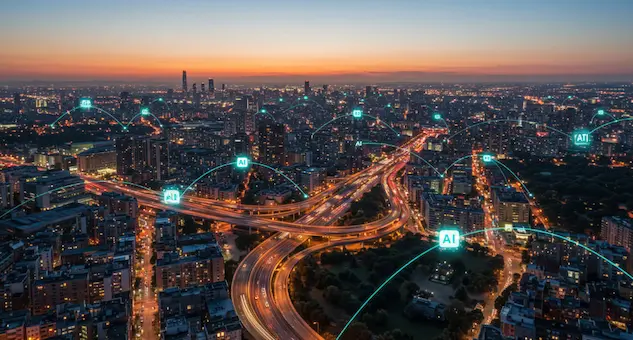
As cities strive to become carbon neutral and resilient to climate effects carbon neutral, AI can play a pivotal role in driving this transformation. This article explores the dual nature of sustainable AI for cities — both as a tool for solving sustainability challenges and as a system that must itself be ethical and sustainable by design.
Read MoreSustainable AI for Cities: Strategic Priorities, Challenges, and Long-Term Impact
Autonomous vehicles (AVs) could either deepen car dependency or support sustainable, liveable cities. This article contrasts two scenarios: private AVs driving congestion versus shared AVs integrated with transit. Drawing on examples from Singapore, Phoenix, and Stockholm, it highlights key tools — transport hierarchy and road pricing — to guide cities toward greener, fairer futures.
Read MoreSteering Autonomous Vehicles and Sustainable Cities Toward a Liveable Future
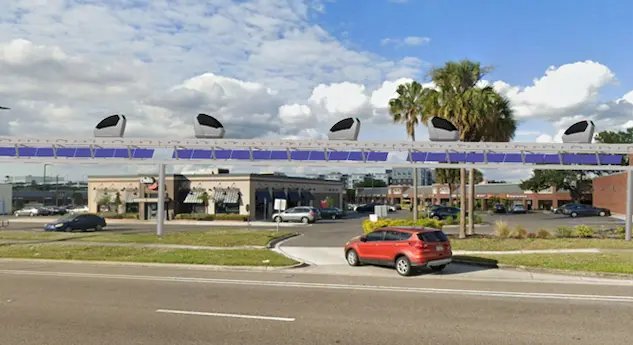
The integration of China’s highway infrastructure with the growing low-altitude economy offers a cost-effective way to expand transport capacity. By converting underused service areas into drone hubs, upgrading navigation systems, and coordinating energy networks, the model can improve logistics efficiency, strengthen emergency response, and reduce emissions. This approach promises significant economic returns and social value, provided that policy, technology, and community engagement advance in step. The article is provided by our media partner 7ITSNEWS.
Read MoreIs “Highways and Low-Altitude” a Viable Business Model?
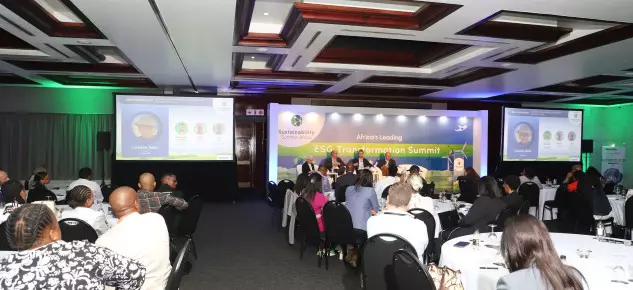
As part of our partnership with the Smart Building and Sustainability Leaders Forum, we spoke with Geoff Archenhold, Chair and Co-Founder of the event, to discuss the Forum’s unique approach to driving practical change in the built environment sector. Set to take place next month, the SBS Forum has quickly gained recognition as a vital platform for cross-sector collaboration on smart and sustainable buildings. In this interview, Geoff shares the vision behind the Forum, the challenges it aims to address, and why bridging the gap between technology, policy, and real-world implementation is more urgent than ever.
Read MoreSetting the Stage for Change: The Vision Behind the Upcoming SBS Leaders Forum
Transport is more than infrastructure—it connects people and builds opportunities. In this interview, the Transport Community outlines how it is integrating Western Balkan transport with the EU, modernising rail, reducing border delays, and promoting sustainable mobility. From Green Lanes to the Belgrade–Niš railway, EU-backed projects are transforming the region’s connectivity, while smart mobility and clean urban transport remain key priorities. The vision: a seamlessly connected Western Balkans as part of Europe’s sustainable future.
Read MoreSmarter Transport for the Western Balkans: An Interview with Matej Zakonjšek
How accessible is your neighborhood, really? In this interview, researcher Vasileios Milias shares how CThood is redefining urban equity through open data and visual tools.
Read MoreMapping Equitable Access to the City with CThood: Interview with Vasileios Milias.
Water scarcity and outdated wastewater systems threaten cities and industries across the Western Balkans. The SmartWaterTwin project aims to transform wastewater from a burden into a valuable resource. By applying circular economy principles, the project enables energy, nutrient, and water recovery. It provides tools, training, and a digital HUB to guide municipalities and industries toward sustainable water management. This approach strengthens local capacity while aligning with EU and climate goals.
Read MoreSmartWaterTwin Project: Circular Economy for Urban Wastewater