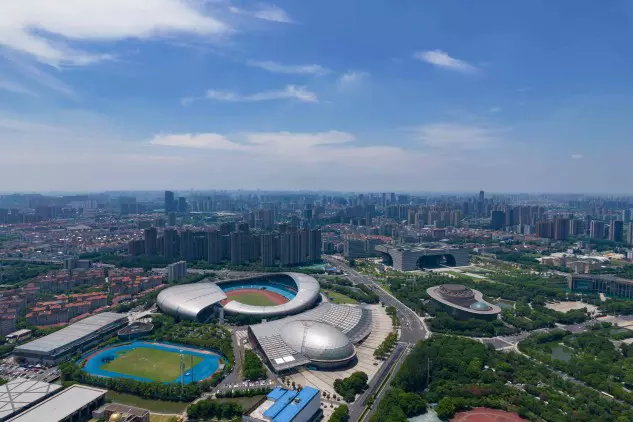
Changzhou, Jiangsu province, China leverages AI to advance its intelligent transportation system. Key initiatives include the AI-driven "Cloud Bus," which optimizes routes and reduces wait times, and smart toll stations that enable seamless, efficient vehicle passage. These efforts enhance public transport, cut costs, and improve urban mobility, supporting the city's sustainable development goals.
Read MoreAI-Powered Intelligent Transportation: How Changzhou Is Building a “Smooth City” System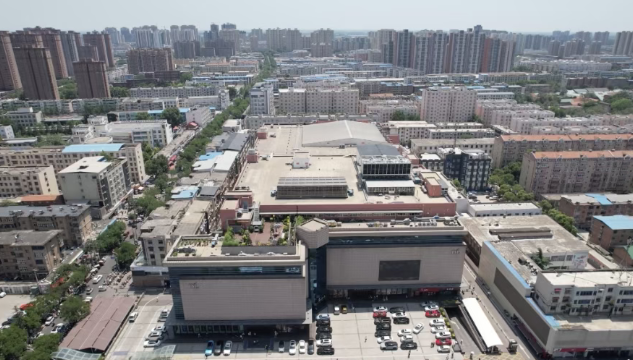
Xuchang (Henan province, China) tackled traffic congestion caused by surging tourism by implementing AI-powered SaaS traffic control system. This lightweight solution, deployed in two weeks at one-tenth the traditional cost, reduced intersection delays by 13.39% and improved rush hour speeds by 13-15%. Integrated smart parking further optimized mobility, demonstrating technology's role in building efficient cities.
Read MoreSaaS Traffic Control in Xuchang: A New Model for Seamless Congestion Management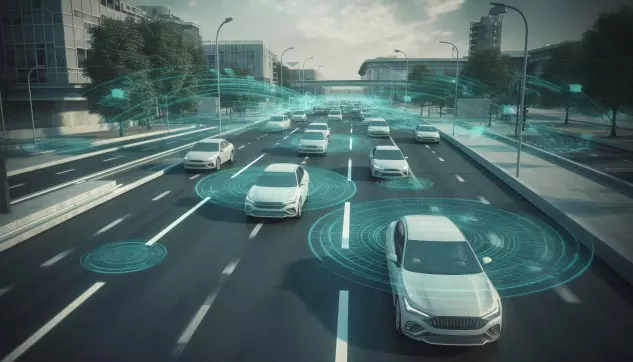
: Smart transportation's pursuit of efficiency raises ethical dilemmas: loss of driver control, data privacy concerns, and diminished social connectivity. Solutions include standardized human-machine interfaces, robust data governance, and technology-designed social interactions to preserve human-centric mobility.
Read MoreHuman-Centric Smart Mobility: Ethical Dilemmas and Solutions in the Age of Intelligent Connectivity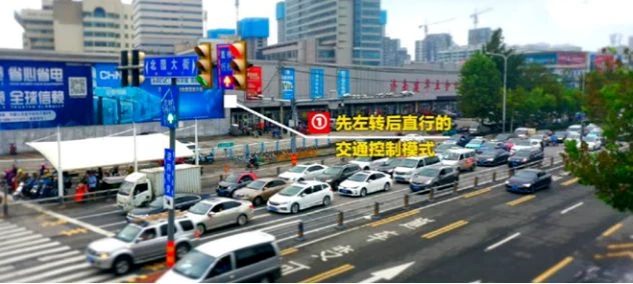
The reverse variable left-turn lane is an innovative traffic design that dynamically reconfigures exit lanes for left-turn use during specific signal phases. This urban traffic optimization strategy enhances intersection capacity without major construction, offering a smart, cost-effective solution for left-turn congestion.
Read MoreReverse Variable Left-Turn Lane: An Innovative Solution for Smart Urban Traffic Optimization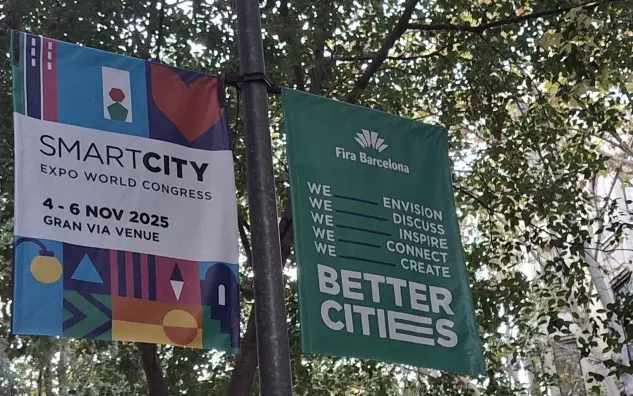
Smart City Expo World Congress 2025 in Barcelona gathered 27,000+ participants from 143 countries to explore AI-driven urban innovation, sustainable mobility, digital transformation, and people-centered city solutions. Discover key insights, global collaborations, award-winning smart city projects, and the vision shaping the future of sustainable urban development.
Read MoreSmart City Expo World Congress 2025: Cities Take the Lead in Shaping a Human-Centered Urban Future
This feature explores urban sustainability in North Macedonia, where technology, civic action, and innovation are transforming cities like Skopje and Kumanovo. From smart mobility and digital transparency to grassroots clean-up movements and green public spaces, these initiatives illustrate a growing culture of sustainable urban living. Despite challenges, local governments and citizens are shaping a vision of greener, smarter, and more resilient Macedonian cities.
Read MoreUrban Sustainability in North Macedonia: Green Cities and Smart Solutions
In this interview, Eran Ofir, CEO of Imagry, discusses the rapid progress of autonomous buses and the unique challenges shaping their adoption. While technology and regulation advance quickly, Ofir stresses that public trust remains the key factor driving the future of autonomous mobility.
Read MoreThe Journey of Autonomous Buses: Interview with Eran Ofir, CEO of Imagry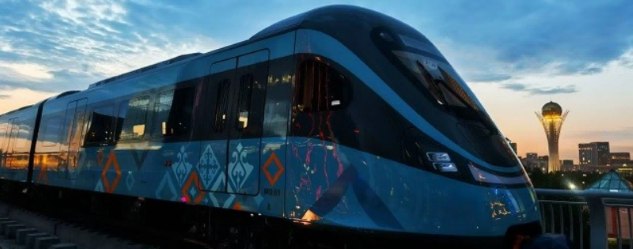
In the article, Huawei’s partnership with Kazakhstan is explored through the development of Central Asia’s first driverless light rail system. Using LTE-M technology, the project aims to enhance urban transit efficiency and passenger experience, with operations expected to begin in 2025.
Read MoreCentral Asia’s First Driverless Light Rail: The Future of Smart Urban Mobility in Kazakhstan
Helsinki and Tallinn joined forces to build a cross-border smart city ecosystem that bridges innovation and sustainability. Through the EU-funded FinEst Twins project, the cities piloted real-world solutions for clean energy, data, mobility, and healthcare. This model shows how collaboration across borders can scale urban resilience and improve quality of life worldwide.
Read MoreCross-Border Smart City Ecosystem: How Helsinki and Tallinn Built a Shared Future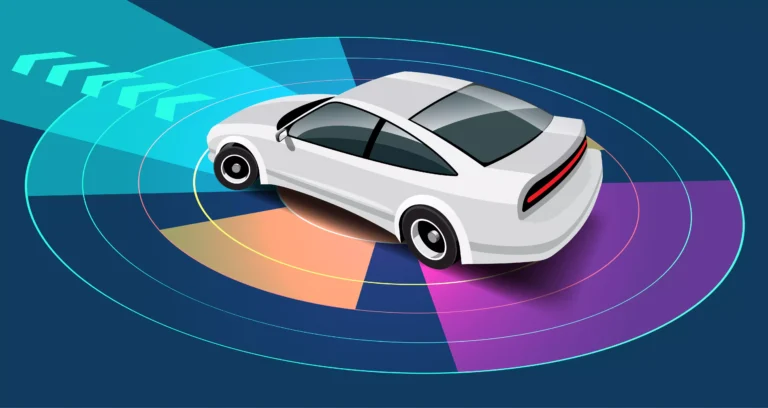
Autonomous vehicles (AVs) could either deepen car dependency or support sustainable, liveable cities. This article contrasts two scenarios: private AVs driving congestion versus shared AVs integrated with transit. Drawing on examples from Singapore, Phoenix, and Stockholm, it highlights key tools — transport hierarchy and road pricing — to guide cities toward greener, fairer futures.
Read MoreSteering Autonomous Vehicles and Sustainable Cities Toward a Liveable Future