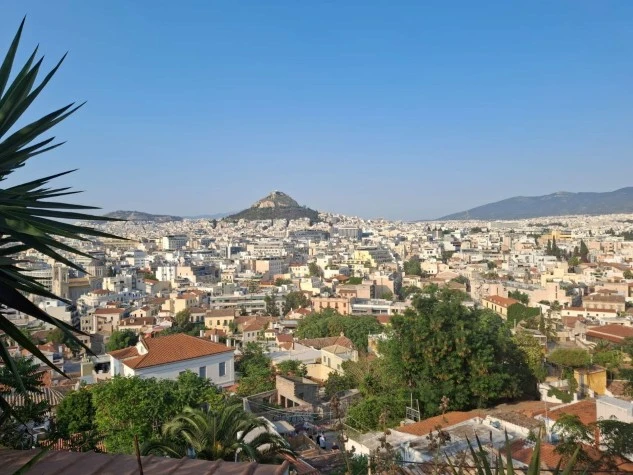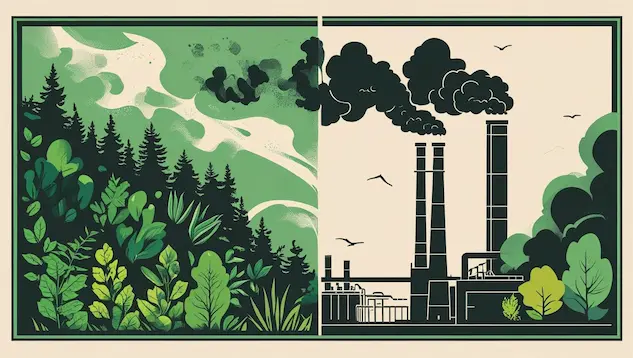
Across eight Balkan green cities, we compare total green infrastructure and accessible urban green using EEA metrics and municipal datasets. The piece traces how geography and planning traditions shape outcomes, then spotlights flagship projects—from Athens’ Ellinikon to Belgrade’s Linear Park and Tirana’s Orbital Forest. We conclude with tiered, finance-aware recommendations that help city leaders turn green on paper into green on foot.
Read MoreBalkan Green Cities: Greening the Urban Fabric and Why It Matters
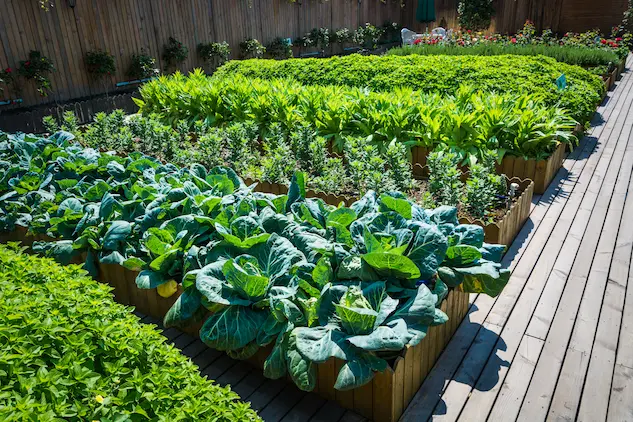
Edible cities integrate urban gardens into public spaces, delivering multiple social, ecological, and economic benefits beyond food production. From Andernach to Belgrade, European cities are piloting edible landscapes as infrastructure for climate adaptation, community building, and environmental education. Research shows that inclusive, co-designed programs yield stronger social outcomes than purely technological approaches. Practical guidance for planners emphasizes mapping, governance, skills pipelines, and a mosaic of micro-sites to maximize impact.
Read MoreEdible City: How Urban Gardens Transform Cities Beyond Food
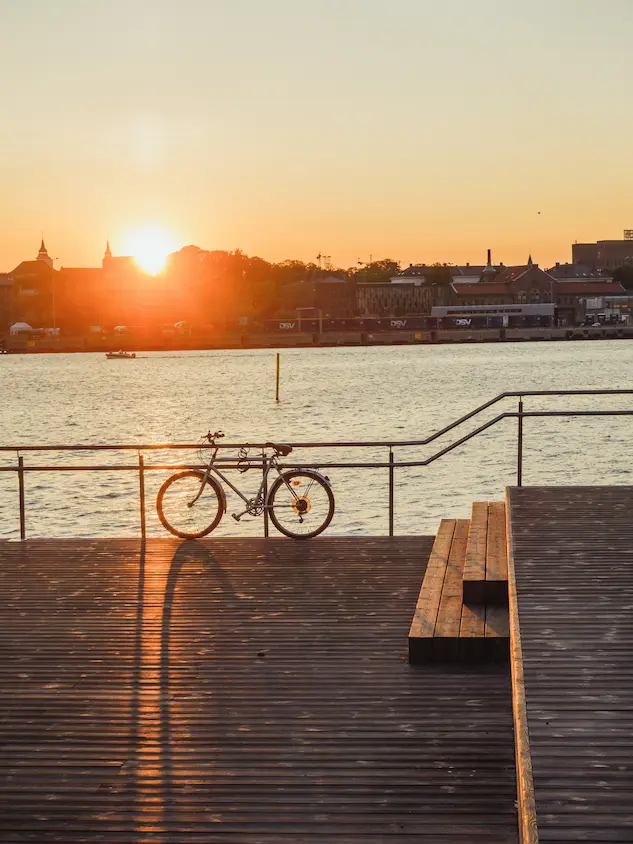
Harbor baths turn urban waterways into vibrant, accessible public spaces. City harbor swimming not only provides recreation but helps cities cope with rising heat and climate stress. Northern European cities like Copenhagen have shown how design, water quality management, and civic engagement can reclaim polluted harbors. Today, these spaces combine wellness, sustainability, and social inclusivity, redefining the city’s relationship with its water.
Read MoreThe Rise of City Harbor Swimming in Modern Cities
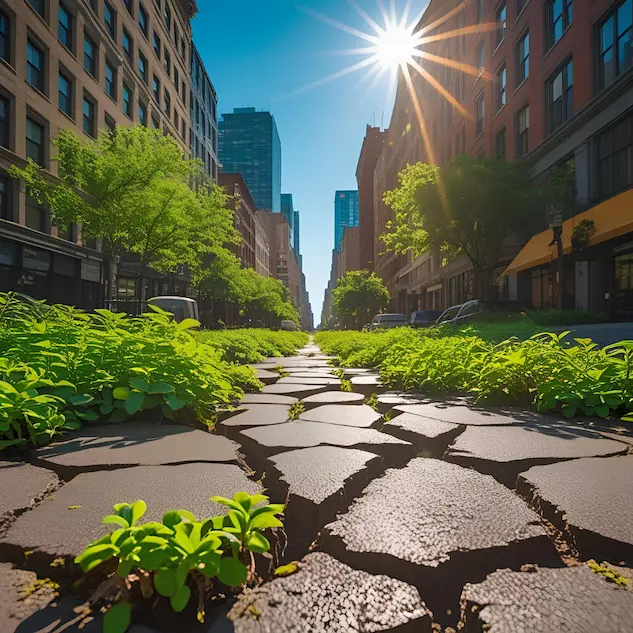
In June 2025, Belgrade experienced record-breaking heat, leading to a sharp decline in urban vegetation. Using NDVI data from Landsat satellites, this article analyzes the spatial and sectoral impacts of the heatwave on Belgrade’s green cover. Parks, residential zones, and industrial areas all showed significant vegetation stress, revealing disparities in resilience. The findings frame vegetation as critical infrastructure—essential for cooling, health, and economic stability—and call for urgent adaptation in urban planning amid escalating climate risks.
Read MoreBelgrade’s Green Cover in Crisis: How a June Heatwave Stripped the City’s Vegetation
As sustainability becomes a powerful marketing tool, more brands are making environmental claims that don’t always hold up to scrutiny. This article explores how to spot greenwashing in everyday products and advertising — helping consumers make informed, responsible choices in a market flooded with misleading “green” labels
Read MoreHow to Spot Greenwashing: When Sustainability Is Just a Sales Strategy
Transport is more than infrastructure—it connects people and builds opportunities. In this interview, the Transport Community outlines how it is integrating Western Balkan transport with the EU, modernising rail, reducing border delays, and promoting sustainable mobility. From Green Lanes to the Belgrade–Niš railway, EU-backed projects are transforming the region’s connectivity, while smart mobility and clean urban transport remain key priorities. The vision: a seamlessly connected Western Balkans as part of Europe’s sustainable future.
Read MoreSmarter Transport for the Western Balkans: An Interview with Matej Zakonjšek
Air quality in the Balkan capitals remains a defining challenge for the region’s urban sustainability goals. This article explores how pollution, carbon emissions, and weak governance are constraining progress in Western Balkan cities. Despite lower per capita emissions, cities struggle to decarbonize due to fossil fuel dependence and outdated heating and transport systems. Public health impacts are severe, yet policy responses remain fragmented. The piece concludes by calling for a strategic shift from declarations to action to secure a sustainable urban future.
Read MoreAir Quality in the Balkan Capitals: Confronting the Urban Sustainability Challenge
How accessible is your neighborhood, really? In this interview, researcher Vasileios Milias shares how CThood is redefining urban equity through open data and visual tools.
Read MoreMapping Equitable Access to the City with CThood: Interview with Vasileios Milias.
Can biodesign in the Balkans turn waste into value? Explore the region’s resources and its role in building a regenerative, green future.
Read MoreBiodesign in the Balkans: Unlocking the Potential of a Regenerative Bioeconomy
The article explores how cities are fighting extreme heat with inclusive design, smart innovation, and climate justice to build cooler, healthier urban futures for all
Read MoreUrban Heat Adaptation in Action: Cool Cities for All