
Sustainable Urbanization
Industrial Infrastructure Design: How Cities Are Reimagining Power Plants
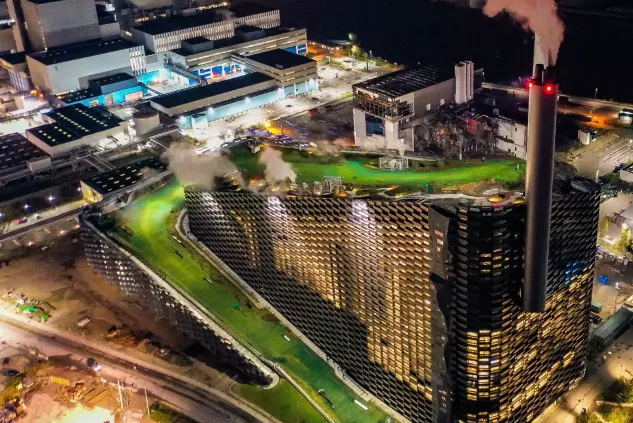
As energy infrastructure becomes increasingly visible in cities, its design is emerging as an important urban issue. From painted cooling towers to multi-functional facilities like Copenhagen’s CopenHill, cities are rethinking how power plants and industrial systems can be integrated into the urban environment and public life.
Read MoreIndustrial Infrastructure Design: How Cities Are Reimagining Power PlantsFrom Smart to Longevity Cities: Rethinking Urban Competitiveness
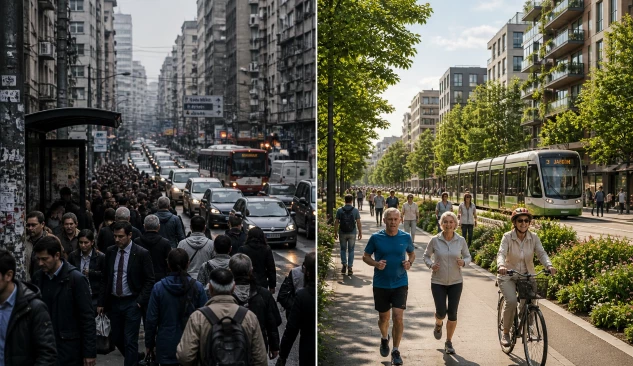
As populations age, urban competitiveness is increasingly shaped by health, longevity, and the ability to keep people active and productive throughout longer lives. This article examines how longevity cities could transform demographic challenges into a new source of economic advantage.
Read MoreFrom Smart to Longevity Cities: Rethinking Urban CompetitivenessBeyond Positive Energy Districts: What EU Urban Energy Projects Deliver
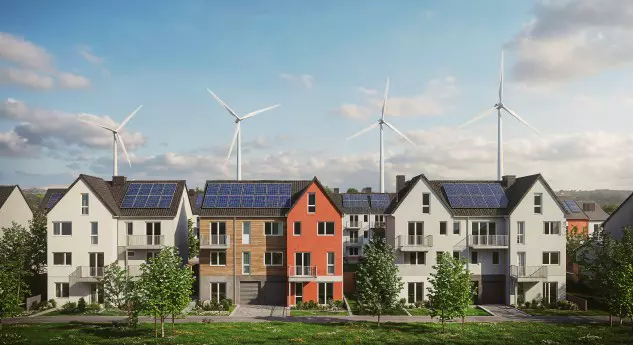
This article examines how EU-funded urban energy projects are implemented in practice, comparing their approaches, results and limitations. It explores what these initiatives actually deliver and how relevant they are for cities beyond the EU core, including the Western Balkans.
Read MoreBeyond Positive Energy Districts: What EU Urban Energy Projects DeliverWhere Is Vehicle-Road-Cloud Integration Headed in 2026?

This article explores how Vehicle-Road-Cloud Integration is evolving from pilot projects to large-scale urban systems, based on developments in China’s leading cities. It highlights key challenges, emerging business models, and what this shift could mean for the future of smart mobility and urban infrastructure.
Read MoreWhere Is Vehicle-Road-Cloud Integration Headed in 2026?Air Pollution in Skopje: Causes, Consequences and Path to Solutions
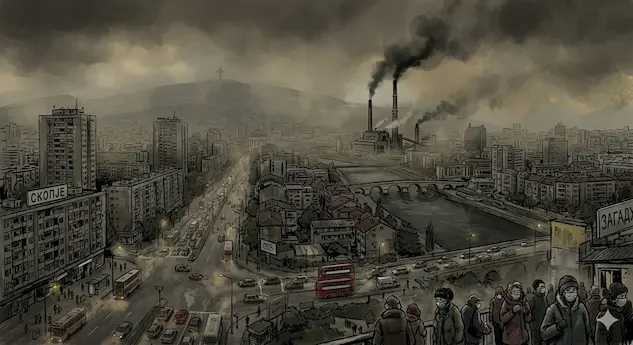
This study investigates the extent and structural factors contributing to Air Pollution in Skopje, particularly during the winter seasons of 2025 and 2026, when pollution levels exceeded critical limits. The study emphasizes the interaction between old-fashioned heating methods, transportation emissions, industries, and geographic constraints that have made Skopje one of the world’s most polluted cities.
In addition, the paper explores the adverse impacts on public health and reviews current policy measures, noting their shortcomings. Finally, the study proposes a number of systematic strategies essential for improving the air quality situation in Skopje.
Read MoreAir Pollution in Skopje: Causes, Consequences and Path to SolutionsLocal Energy Security in Central and Eastern Europe: The Urban Energy Shift
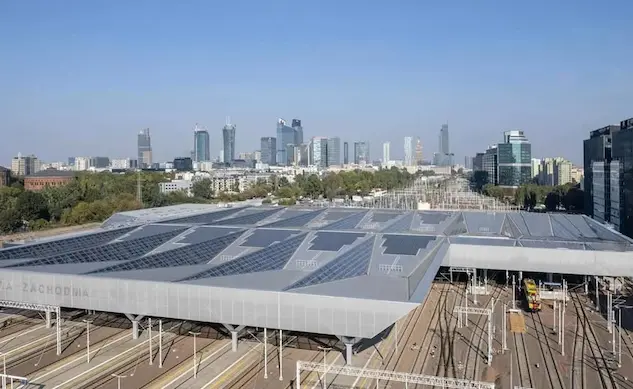
This article explores how Local Energy Security is reshaping energy systems in Central and Eastern Europe. It highlights the growing role of cities in driving renewable energy adoption, improving resilience, and navigating governance constraints. Case studies from Warsaw, Prague, and Ljubljana illustrate both progress and structural challenges.
Read MoreLocal Energy Security in Central and Eastern Europe: The Urban Energy ShiftCycling Advocacy in Europe: How the European Cyclists’ Federation Is Shaping the Future of Urban Mobility
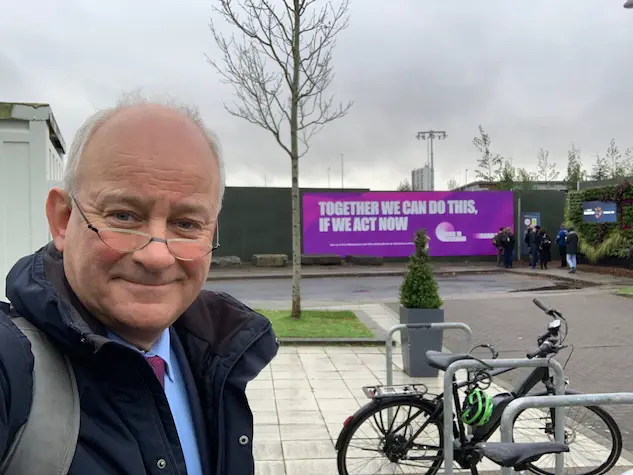
In this interview, Henk Swarttouw, President of the European Cyclists’ Federation, shares insights on the future of cycling in Europe and beyond. He discusses the role of cycling in sustainable urban mobility, the challenges of building a pan-European cycling network, and practical steps to accelerate change. The conversation also highlights actionable recommendations for cities with low cycling levels.
Read MoreCycling Advocacy in Europe: How the European Cyclists’ Federation Is Shaping the Future of Urban MobilityAre Smart Cities Smart Enough? Beyond the Dashboard

This article examines whether current smart city models are sufficient to address the complex challenges of climate change, biodiversity loss, and urban resilience. While cities increasingly adopt data-driven technologies to optimise infrastructure and services, these systems often overlook ecological processes and living systems that are critical to long-term sustainability.
Read MoreAre Smart Cities Smart Enough? Beyond the DashboardChina Transportation Digitalization: Where Will It Lead by 2036?

This article explores how China transportation digitalization could transform mobility into a “spatial intelligence layer” by 2036. It examines governance models, infrastructure logic, and new value ecosystems emerging from this shift. The analysis highlights how coordination, not speed, will define the future of transport systems.
Read MoreChina Transportation Digitalization: Where Will It Lead by 2036?The End of Ultra-Cheap Solar? What Rising Module Prices Mean for Urban Solar Energy
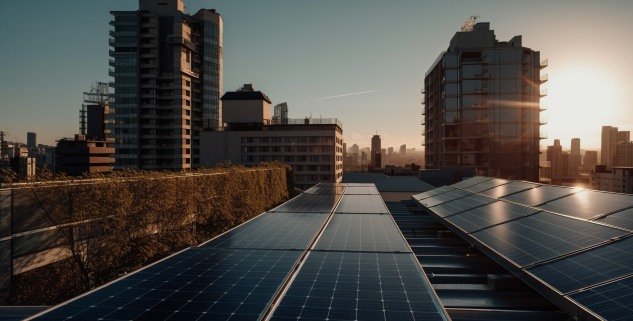
For more than a decade, falling solar panel prices fueled the rapid expansion of urban solar energy. Now costs may begin to rise. This article explores what a potential 20–30% increase in module prices could mean for cities, municipal budgets, and future energy planning.
Read MoreThe End of Ultra-Cheap Solar? What Rising Module Prices Mean for Urban Solar Energy