
The fourth edition of the Sarajevo Energy Forum 2026 (SEF) took place from 28 to 30 January in Sarajevo, bringing together experts, public officials, companies, academics, and energy professionals from Bosnia and Herzegovina and across the Western Balkans. Over three days, the Forum focused on current challenges facing the energy sector and on realistic pathways for managing the region’s transition toward cleaner energy systems.
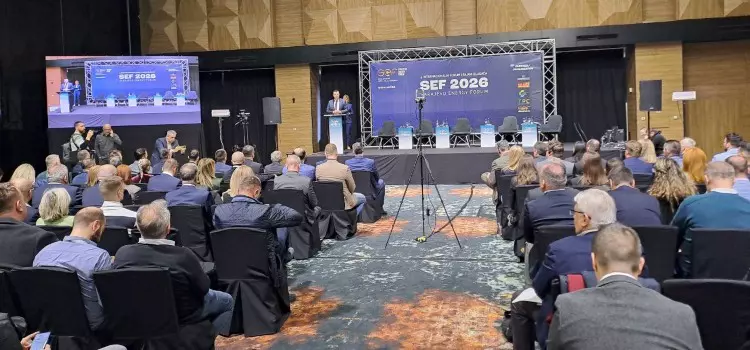
The event opened at Hotel Hills with messages that reflected the current reality of the sector. Speakers emphasized that energy transition in Bosnia and Herzegovina will be gradual and shaped by existing infrastructure, market conditions, and social factors. Coal still plays an important role in the energy mix, while renewable energy and hydropower are expected to drive long-term development. The preparation of a new Energy Strategy for the Federation of Bosnia and Herzegovina was highlighted as an important step in defining this direction. Gas supply diversification and infrastructure projects, including the Southern Interconnection, were also discussed as part of long-term energy security planning.
Sarajevo Energy Forum 2026: a platform for regional cooperation
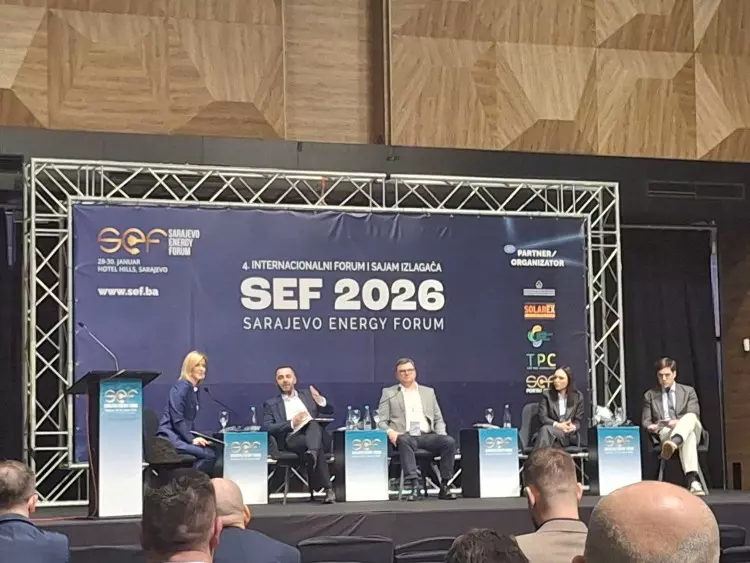
Throughout the Forum, regional cooperation was a recurring theme. Electricity systems in the Western Balkans are increasingly interconnected, and national strategies are becoming more dependent on regional infrastructure and market coordination. Discussions focused on grid resilience, investment frameworks, and how to expand renewable capacity without risking supply stability.
Clean energy investment remained a central topic. Speakers addressed practical barriers such as permitting timelines, grid access, and market rules. The Carbon Border Adjustment Mechanism (CBAM) was discussed both as a challenge for exporters and as a signal that companies will need to strengthen emissions monitoring and reporting in order to stay competitive in European markets.
Digitalization, new fuels, and system security
Digitalization was another consistent topic across sessions. Artificial intelligence was mainly discussed as a tool for improving forecasting, system balancing, and operational efficiency rather than as a disruptive concept. At the same time, cybersecurity risks are becoming more visible as energy infrastructure becomes more digital and automated.
Sessions on hydrogen, biomass, and biogas reflected a pragmatic regional perspective. Hydrogen is currently seen as a longer-term industrial and transport solution linked to European hydrogen corridors. Biomass and biogas were discussed as more immediately deployable options, especially for district heating and agricultural regions looking to reduce gas dependence.
Innovation, education, and industry visibility
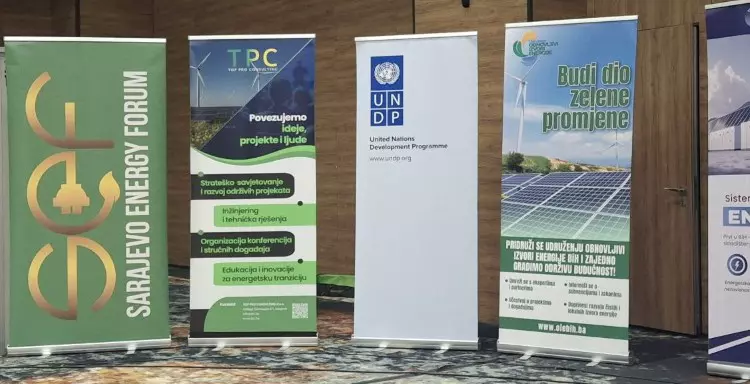
Alongside the conference program, the exhibition fair played an important role. Companies and institutions presented technologies ranging from conventional energy systems to renewable solutions, storage technologies, and electromobility. The fair remains one of the most practical parts of the Forum, offering visibility for regional projects and business partnerships.
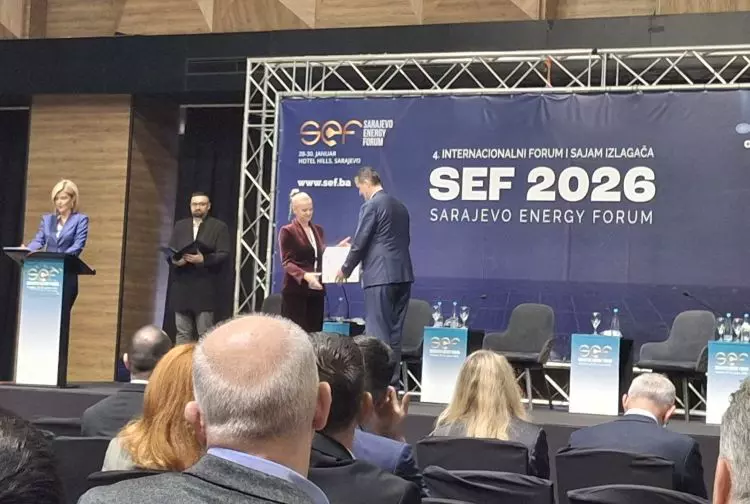
SEF 2026 also kept a strong focus on education and innovation. Through the SEF Academy, awards were presented to student and pupil projects, as well as to start-ups and new technology solutions. The Sarajevo Energy Star Award recognized projects and individuals contributing to the modernization of the energy sector.
More than a showcase event, the Forum continues to function as a regional meeting point where institutions, companies, and experts exchange experience and discuss realistic solutions. Sarajevo Energy Forum 2026 once again showed the value of bringing people from across the region together to exchange practical experience, compare challenges, and discuss where the energy transition is realistically heading next.
Read more about conferences and exhibitions here