
The article examines the unexpected environmental consequences of sanctions imposed on Russia. While the sanctions primarily target economic and political behavior, they have inadvertently shifted global pollution patterns, with slight reductions in emissions in Europe but increases in other regions. The article also explores Russia’s stance on CO₂ emissions, revealing that the country plans to continue increasing emissions through 2040, despite various policy scenarios.
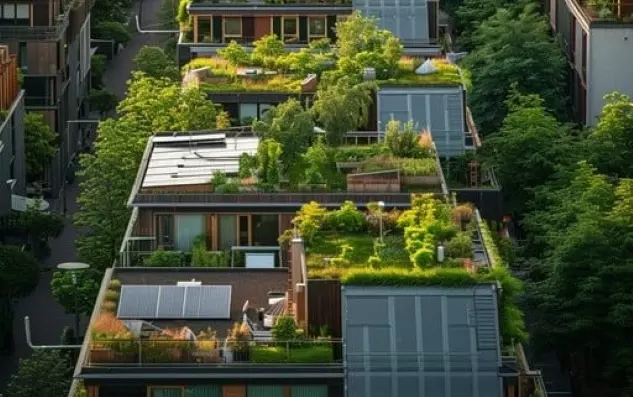
The article explores the concept of "sponge cities" as a sustainable solution to urban water management amidst increasing global urbanization and climate change. Sponge cities use a combination of natural and engineered infrastructure, such as permeable surfaces, green roofs, and rainwater harvesting, to absorb, store, and reuse rainwater. This approach aims to reduce flooding, conserve water, and promote biodiversity while improving air quality and climate resilience. The article highlights successful global examples and discusses the challenges and future outlook for implementing sponge city principles worldwide.
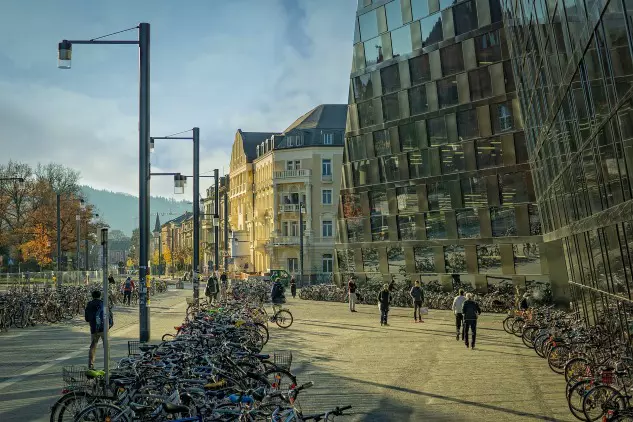
The article focuses on bicycles as a vital tool for sustainable mobility, offering health, environmental, and traffic benefits. With over 1 billion bicycles globally, they help reduce carbon emissions and congestion. The bicycle market, especially e-bikes, is expanding, with innovations in eco-friendly materials further reducing environmental impact. As cities invest in cycling, bicycles play a vital role in creating greener, healthier urban environments.
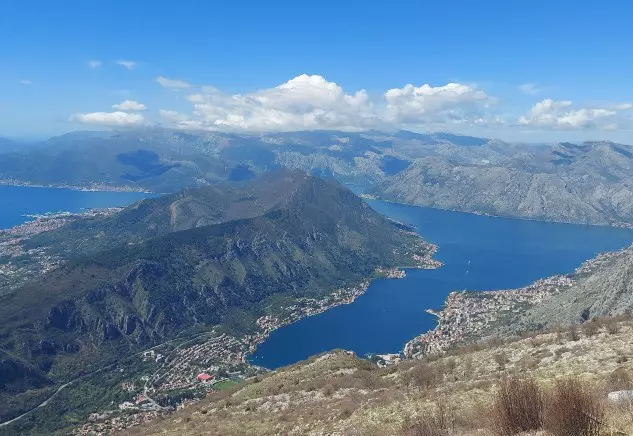
This article examines the challenges of smart city development in the Western Balkans, including financial constraints, outdated infrastructure, and a shortage of skilled workers. Governance issues, public skepticism, and environmental concerns also hinder progress. The region requires comprehensive strategies, investment, and collaboration to overcome these obstacles and ensure equitable, sustainable urban growth.
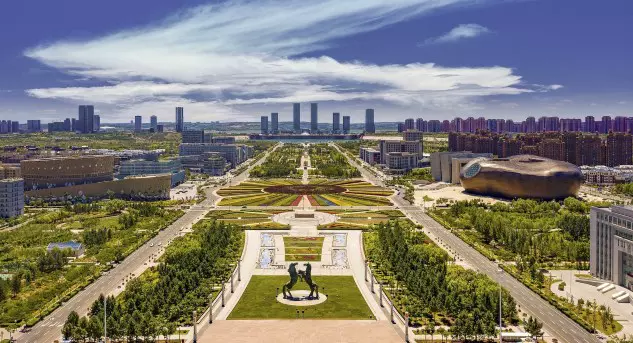
Imagine a city built from scratch, with grand boulevards, futuristic architecture, and luxury homes—yet eerily empty. This is Ordos, China that began as a bold vision for urban transformation but quickly became a cautionary tale of overambition, speculative development, and the unpredictable forces of market economics. What went wrong? And how has Ordos managed to turn its story around, slowly finding new life amid its vast, empty streets? Writing about Ordos offers a unique lens on the complexities of modern city-building, the pitfalls of rapid urbanization, and the resilience required to reinvent a failed dream.
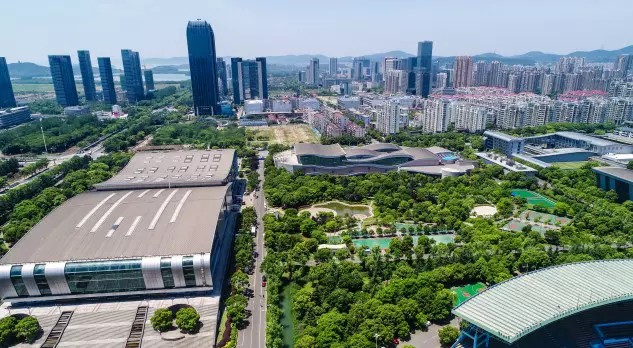
Numerous new city projects are currently being implemented across various countries, aiming to become smart cities, sustainable cities, or a combination of both. Building a completely new smart and sustainable city from scratch comes with numerous challenges, ranging from the initial stages of master planning to final execution and long-term operations. The article focuses on challenges which new city projects face.
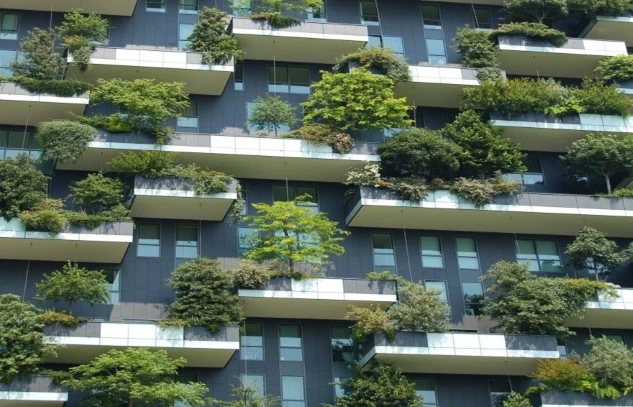
As cities increasingly transform into landscapes dominated by steel and glass, the integration of urban green spaces has emerged as a transformative solution for enhancing quality of life. This two-part article explores how modern green spaces, from vertical gardens to rooftop parks, not only beautify urban environments but also improve mental health, promote biodiversity, and foster community engagement. By examining innovative projects from around the world, we reveal the profound impact these green havens have on urban resilience and sustainability.
As cities increasingly transform into landscapes dominated by steel and glass, the integration of urban green spaces has emerged as a transformative solution for enhancing quality of life. This two-part article explores how modern green spaces, from vertical gardens to rooftop parks, not only beautify urban environments but also improve mental health, promote biodiversity, and foster community engagement. By examining innovative projects from around the world, we reveal the profound impact these green havens have on urban resilience and sustainability.
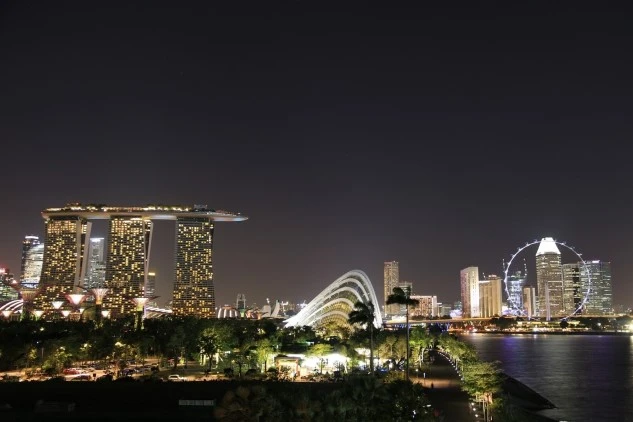
Singapore's journey toward becoming a smart sustainable city showcases how cutting-edge technology and eco-friendly policies can coexist. The article shows how the city-state redefines urban living for a sustainable future.

In an era marked by climate change, social inequality, and economic uncertainty, sustainable leadership has become a vital approach for driving transformative change. This two-part article delves into the principles of sustainable leadership, emphasizing the importance of mindfulness, adaptability, and a long-term vision for success. Through real-world examples, it illustrates how sustainable leaders create value by aligning their organizations' goals with the well-being of their employees, communities, and the planet.