
Central and Eastern Europe (CEE), a region with more than 20% of the EU population, is once again at an energy crossroads. Today, the challenge of energy resilience in Central and Eastern Europe is shaped by the legacy of outdated grids, limited interconnections, and chronic underinvestment, factors that continue to echo across the region. The first part of the article explored how energy resilience in Central and Eastern Europe was being tested and where progress, policy gaps, and innovation collided. This second part focuses on implications for cities and what is needed to increase energy security in CEE countries.
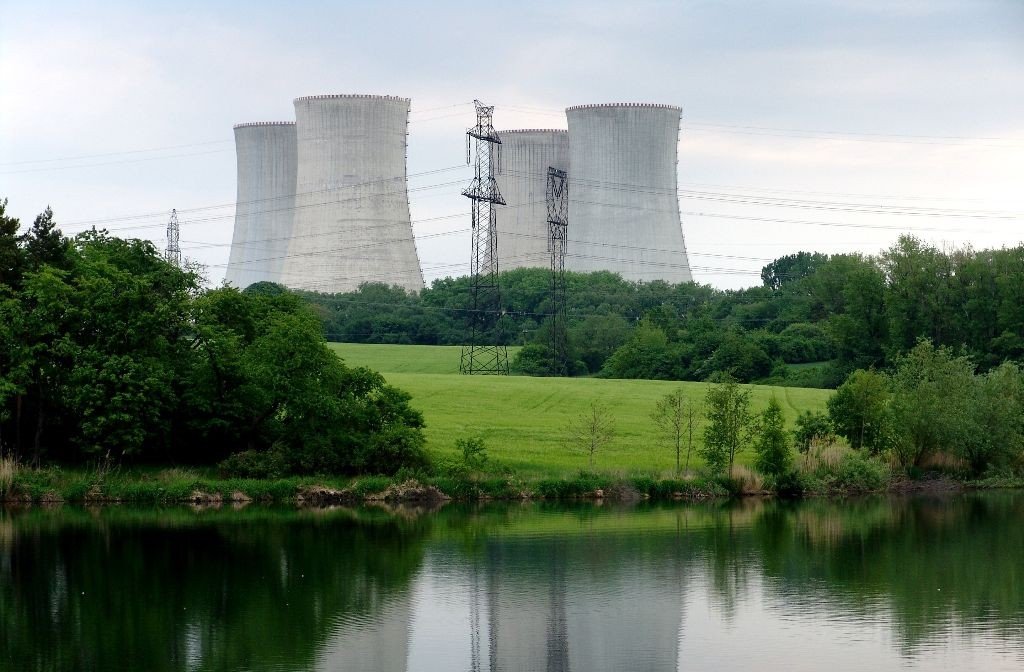
A nuclear plant in the Czech Republic
Implications for Cities and Local Governments
Cities are at the epicenter of the energy transition. Urban areas consume an estimated 75% of total energy, drive peak electricity demand, and host critical social infrastructure. But urban energy systems are under pressure. Rising electricity demand from EV charging, heat pumps, and building electrification risks overloading distribution grids that, in many CEE cities, remain only partially modernized.
The urban energy transition is more than a technical challenge; it is also a social issue. Research from the Cracow University of Economics indicates that roughly one in four people in the CEE region faces “hidden” energy poverty in households that appear financially stable but cannot adequately heat, cool, or power their homes. Structural factors in cities make the problem worse: neglected housing stock, lower incomes, and outdated heating networks.
During the 2022 energy shock, energy poverty rose sharply throughout Europe when more than 9% of the population could not keep their homes adequately warm. In CEE countries, the problem was worse: Bulgaria, Lithuania, and Romania had over 15% of their populations affected by this issue.
When electricity prices surge or outages occur, the impact falls disproportionately on vulnerable risk groups: single-person households, families with children, older people, residents of poorly insulated homes, and people living in peripheral areas. Linking urban policies on energy innovation to affordability and health should be a core responsibility for mayors, municipal authorities, and stakeholders.
In general, city governments have responsibilities for municipal administration, urban planning, infrastructure, social protection and local policy-making — including climate and resilience policies. A review of CEE capitals shows that municipal energy policies embrace data-driven energy planning, district heating modernization, public buildings efficiency, and deployment of renewables.
However, CEE cities often lack the funding, regulatory authority, or innovation capacity to fully deliver on energy and climate responsibilities. For the region to strengthen energy resilience, national governments and the EU must treat cities not as end-users, but as co-architects of a modernized energy system. That means giving municipal governments a well-defined role in regional planning and access to EU financing instruments. The EU’s Agenda for Cities formally recognises the fundamental role of cities in the energy transition, but it does not provide city-centric funding instruments.
Still, a few cities are showing how municipal change agents make a difference. Riga rolled out one of the region’s largest district-heating modernization programs, replacing aging gas boilers with biomass and heat-pump systems — cutting local emissions by an estimated 60%. Warsaw is piloting AI-based grid monitoring for public buildings, allowing the city to optimize lighting and HVAC loads in schools and hospitals.
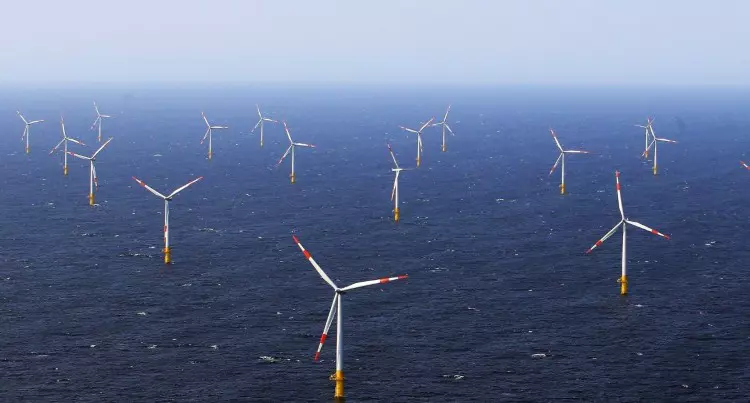
A wind farm in Poland
A Path Toward Collective Strength
Thought leaders in public and private sectors identify what’s needed to increase energy security in CEE countries and cities:
- Accelerate modernization plans. Reduce fragmentation in energy policies, deploy smart grids, improve cross-border cooperation, and overcome barriers to innovation.
- Harmonize permitting. Bruegel estimates that standardized, faster permitting — especially for interconnectors and renewable corridors —could shorten project timelines by years.
- Build co-financing models for cross-border infrastructure. Pooled funds, blended finance and joint investment vehicles are essential for smaller markets unable to finance grid upgrades alone.
- Give municipalities increased access to EU funding. Allow CEE cities to apply for funding to cut energy poverty, modernize district heating, and invest in renewable energy solutions.
- Adopt region-wide standards for building renovation and electrification. Buildings in the EU account for 40% of energy consumption, and coordinated CEE standards would help to reduce demand while improving household affordability.
When CEE leaders choose collaboration over fragmentation — and reframe resilience as a shared strength — the region can transform itself from Europe’s vulnerable flank into a model of collective energy security.
Read more about energy transition here