
Facing intense traffic pressure and dense urban development, Hong Kong has long prioritized reducing vehicular delays while expanding a wide range of pedestrian mobility improvements. These include dedicated pedestrian zones, the iconic Central–Mid-Levels Escalator, electronic audible traffic signals, intelligent green-light extensions for the elderly and disabled, enhanced safety devices, modern wayfinding systems, removal of outdated barriers, pedestrian platforms, covered walkways, and low-speed zones. The Transport Department initially launched many of these measures, but over time they have become part of a broader, citywide effort supported by multiple agencies and district-level initiatives.
Pedestrian zones: core of a walkable city strategy
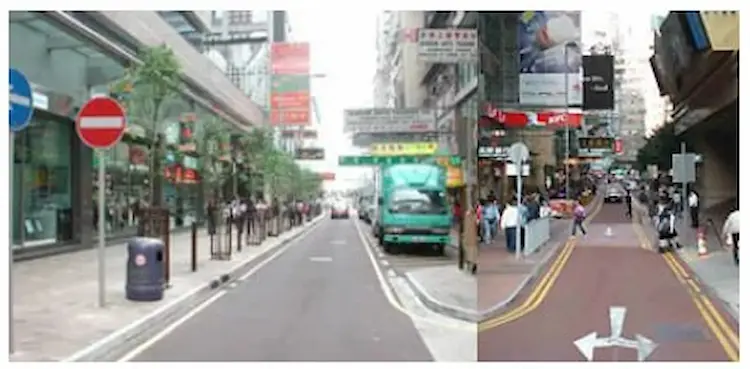
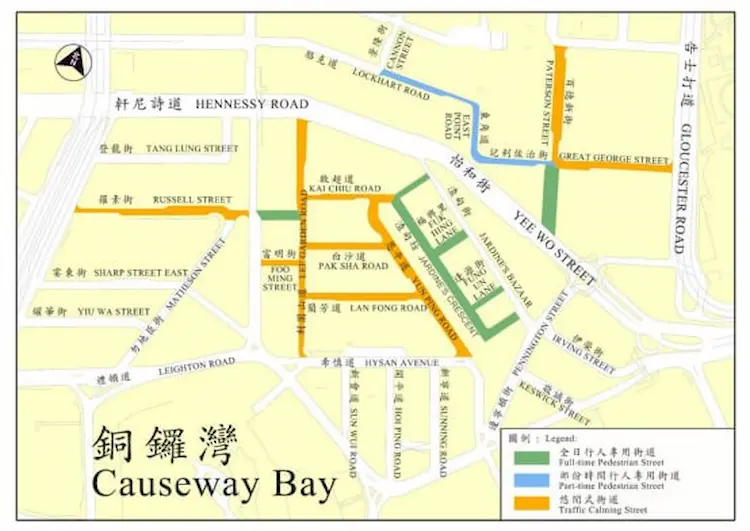
Since 2000, Hong Kong has developed a series of walkable city strategies in districts such as Causeway Bay, Central, and Mong Kok. Over the years, different types of pedestrian zones have emerged, tailored to the unique character and movement patterns of each area:
Full-time pedestrian streets:
Spaces fully dedicated to pedestrians, with access restricted to emergency and essential services.
Part-time pedestrian streets:
Roadways where vehicle entry is limited to designated hours, depending on pedestrian flow and district activity.
Leisurely streets:
Streets with widened sidewalks, reduced roadside parking, and traffic-calming design features.
These approaches collectively improve safety, encourage walking, reduce non-essential traffic, and enhance urban pedestrian infrastructure. Decisions on where and how to introduce these schemes rely on an assessment of local pedestrian patterns, land use, and the broader goals of Hong Kong pedestrian planning.
Central-mid-levels escalator: a landmark of pedestrian-friendly urban design
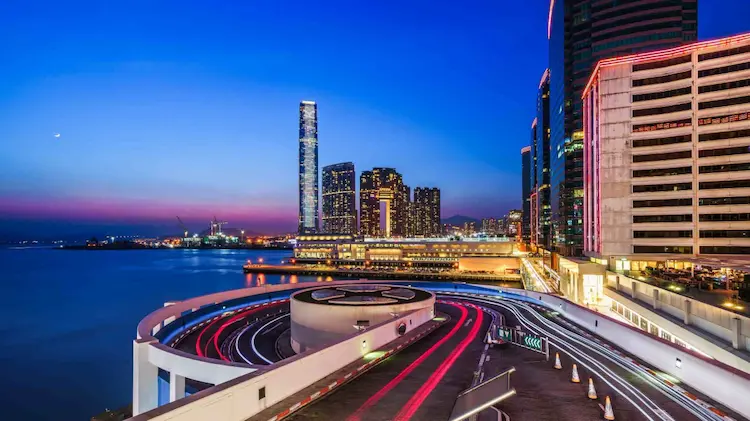
Operational since 1993, the Central–Mid-Levels Escalator system is one of the world’s most recognizable examples of pedestrian-friendly urban design. With covered walkways, 16 escalators, and three travelators, it supports approximately 99,000 daily users (2024 data). The system moves downhill from 6:00 to 10:00 AM and uphill from 10:00 AM to midnight, providing an essential link in one of the city’s hilly and densely populated districts.
Pedestrian crossing facilities: technology for safer streets
Hong Kong has also invested in modernized crossing technologies designed to make walking safer and more intuitive.
Electronic audible traffic signals (EATS):
Supporting visually impaired pedestrians, these signals provide audible cues and vibration feedback. The latest generation—introduced in 2025—adds LED indicators, tactile maps, voice prompts, contactless push buttons, and adjustable volume settings.
Intelligent green man extension:
Elderly residents (65+) and individuals with disabilities can tap their JoyYou or Elder Octopus card to extend the flashing green time at select crossings. This small but meaningful improvement reflects a broader focus on inclusive pedestrian mobility improvements.
Safety auxiliary devices:
Ground-level red-light projections alert distracted pedestrians approaching crossings, enhancing situational awareness in busy areas.
“Hong Kong good easy walk” initiative: a blueprint for walkable cities
The citywide “Hong Kong Good Easy Walk” initiative aims to shape Hong Kong into a truly walkable city guided by four core principles: accessible, safe, comfortable and pleasant, and seamless and well-connected.
Key measures include:
Pedestrian wayfinding systems:
Coherent signage that helps people navigate complex districts, piloted in several central neighborhoods.
Removing unnecessary signs and railings:
Clears space previously obstructed by excessive infrastructure—over 290 signs and 3.5 km of railings were removed in trial districts.
Pedestrian crossing platforms:
Raised platforms with color markings that slow vehicles and enhance pedestrian visibility.
Footway-level vehicle crossings:
Driveway entries built at sidewalk level to improve accessibility for wheelchair users, parents with strollers, and elderly pedestrians.
Low-speed zones:
30 km/h limits introduced near schools and residential areas to improve safety.
Covered walkways:
Expanded sheltered pathways linking transport hubs, hospitals, and key community destinations, offering comfort in Hong Kong’s humid and rainy climate.
A Pedestrian Planning Framework based on the “Link & Place” methodology now guides these interventions. This model assesses a street both as a transport corridor and as a social, economic, and cultural space — supporting more comprehensive urban pedestrian infrastructure decision-making.
Across Hong Kong, local authorities and community groups continue to identify new opportunities for implementing these measures. Guidelines evolve based on experience, and districts increasingly collaborate to refine designs and test new approaches. As a result, Hong Kong’s experience offers a valuable reference for cities worldwide that are exploring more human-centered, connected, and future-ready pedestrian-friendly urban design.
Source: Experience Sharing | Pedestrian-Friendly Facilities in Hong Kong | 7ITS NEWS.
Read more about systemic inelligence here.