AI-Powered Intelligent Transportation: How Changzhou Is Building a “Smooth City” System

Changzhou
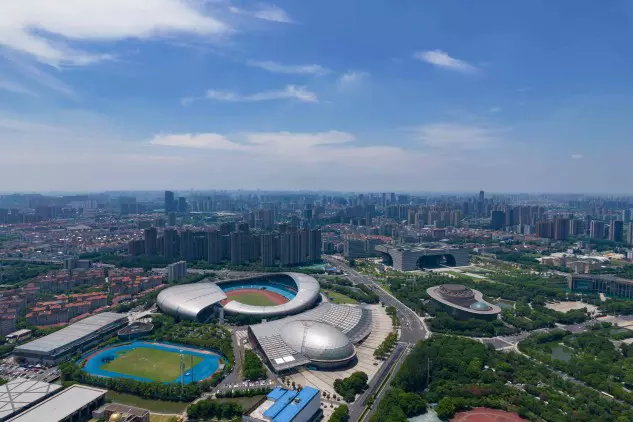
Changzhou, Jiangsu province, China leverages AI to advance its intelligent transportation system. Key initiatives include the AI-driven "Cloud Bus," which optimizes routes and reduces wait times, and smart toll stations that enable seamless, efficient vehicle passage. These efforts enhance public transport, cut costs, and improve urban mobility, supporting the city's sustainable development goals.
Read MoreAI-Powered Intelligent Transportation: How Changzhou Is Building a “Smooth City” System

The Era of Now: NVIDA’s Charbel Aoun on Enabling Cities to Build Their Own AI Capability

Charbel Aoun
In this interview, NVIDIA’s Charbel Aoun explains why the future of urban AI depends not on adopting more tools, but on building local capability, data sovereignty, and long-term talent. He shares how cities can move from fragmented pilots to responsible, human-centric AI systems that deliver measurable public value.
Read MoreThe Era of Now: NVIDA’s Charbel Aoun on Enabling Cities to Build Their Own AI Capability

How Urban Data Governance in Europe Is Shaping the Future of Cities

urban data governance in Europe
This article examines how urban data governance in Europe is reshaping city development through regulatory frameworks, federated platforms, and mission-oriented data spaces. It explores how European cities leverage data to align climate, social, and digital objectives while addressing fragmentation, governance complexity, and uneven territorial capacities. The analysis highlights both the systemic potential and political challenges of scaling these models across Europe.
Read MoreHow Urban Data Governance in Europe Is Shaping the Future of Cities

Human-Centric Smart Mobility: Ethical Dilemmas and Solutions in the Age of Intelligent Connectivity

smart transportation
: Smart transportation's pursuit of efficiency raises ethical dilemmas: loss of driver control, data privacy concerns, and diminished social connectivity. Solutions include standardized human-machine interfaces, robust data governance, and technology-designed social interactions to preserve human-centric mobility.
Read MoreHuman-Centric Smart Mobility: Ethical Dilemmas and Solutions in the Age of Intelligent Connectivity

Sustainable Construction Trends and the Future of Urban Sustainability: How Green Buildings Quietly Transform Tomorrow’s Cities

sustainbale building
Sustainable construction trends are increasingly shaping urban sustainability as cities work to cut emissions and enhance resilience. This article highlights how green buildings, smart technologies, and eco-friendly materials are influencing global urban development and the future of climate-ready cities.
Read MoreSustainable Construction Trends and the Future of Urban Sustainability: How Green Buildings Quietly Transform Tomorrow’s Cities

Reverse Variable Left-Turn Lane: An Innovative Solution for Smart Urban Traffic Optimization

a road with cars and trafic light for reverse variable turn lane
The reverse variable left-turn lane is an innovative traffic design that dynamically reconfigures exit lanes for left-turn use during specific signal phases. This urban traffic optimization strategy enhances intersection capacity without major construction, offering a smart, cost-effective solution for left-turn congestion.
Read MoreReverse Variable Left-Turn Lane: An Innovative Solution for Smart Urban Traffic Optimization

Smart City Expo World Congress 2025: Cities Take the Lead in Shaping a Human-Centered Urban Future

conference baner
Smart City Expo World Congress 2025 in Barcelona gathered 27,000+ participants from 143 countries to explore AI-driven urban innovation, sustainable mobility, digital transformation, and people-centered city solutions. Discover key insights, global collaborations, award-winning smart city projects, and the vision shaping the future of sustainable urban development.
Read MoreSmart City Expo World Congress 2025: Cities Take the Lead in Shaping a Human-Centered Urban Future

Sustainable Food Systems: Feeding the Planet Without Destroying It

sustainable food systems
Sustainable food systems are essential to feeding a growing global population while reducing environmental harm. This article examines the ecological impacts of industrial agriculture and outlines emerging alternatives, from regenerative farming and urban food production to cultivated meat technologies. By rethinking how food is grown, distributed, and consumed, cities and communities can build more resilient, equitable, and climate-conscious food futures.
Read MoreSustainable Food Systems: Feeding the Planet Without Destroying It

Sustainable Development Forum 2025: Competitiveness in Turbulent Times

Sustainable Development Forum 2025
The Sustainable Development Forum 2025 brought together diplomats, academics, and business leaders to explore how nations and companies can stay competitive amid global instability. Over two days, discussions ranged from trade resilience and energy transitions to AI-driven sustainability and green jobs for youth, reaffirming the Forum’s mission to bridge policy, innovation, and business for a more sustainable future.
Read MoreSustainable Development Forum 2025: Competitiveness in Turbulent Times
×