Air pollution is a global crisis, but solutions for clean air and a sustainable future are within reach. The World Bank has released a report Accelerating Access to Clean Air for a Livable Planet (2025) dedicated to addressing this issue. Discover how cities worldwide are taking action
Read MoreClean Air for a Sustainable Future: Cities Against Pollution
Are our cities ready for a transport revolution? Traffic, pollution, and outdated transit systems are holding our cities back. But what if there was a better way? Smart mobility, car-free zones, and bold public transit investments are already transforming places like Utrecht and Bogota. How can we rethink urban transport for a cleaner, greener future? Find out in our latest article
Read MoreSustainable Transport Solutions: Transforming Cities for a Greener Future
March 20 marks the International Day of Happiness. Can happiness be measured? As GDP loses its grip as the gold standard of progress, global indices reveal surprising trends—Nordic nations thrive, youth in North America struggle, and sustainable cities reshape well-being. But do these rankings truly reflect happiness, or is the picture more complex? Dive into the debate about international happiness index and discover what really shapes a fulfilling life.
Read MoreHappiness Index: Measuring Well-Being in a Changing World
Disposable period products contribute to significant waste and pollution. This article explores eco-friendly alternatives like menstrual cups, which offer sustainable solutions. Despite challenges such as stigma and accessibility, policy changes and industry shifts are making these products more viable. Can reusable options help create a more sustainable future for menstrual care?
Read MorePeriod Products and Environment
Discover how the 15-minute city concept transforms urban living by making essential services accessible within walking or biking distance. Explore real-world examples from Paris, Barcelona, Melbourne, and others and learn how this model fosters sustainability, local economies, and a higher quality of life.
Read MoreThe 15-Minute City: A Vision for Sustainable Urban Living
The Great Green Wall is transforming Africa's future by tackling desertification and restoring vital ecosystems in the Sahel region. Spanning 8,000 km, this groundbreaking project is not only improving the environment but also creating jobs, enhancing food security, and fostering peace. With global support, it’s a symbol of hope and unity in the fight against climate change. Read the article on to discover how this ambitious initiative is shaping a sustainable future for Africa and the world.
Read MoreThe Great Green Wall: A Transformative Project for Africa’s Future
Cycling has become a popular and sustainable way to stay fit, reduce carbon emissions, and explore new areas. With the rise of technology, cyclists now have access to a variety of apps designed to enhance their experience. This article provides an overview of some of the best cycling apps available, including tools for tracking rides, creating routes, and connecting with other cyclists. These apps cater to cyclists of all levels and preferences, offering everything from performance tracking to route planning and social engagement.
Read MorePedal Smarter: The Ultimate Guide to Cycling Apps.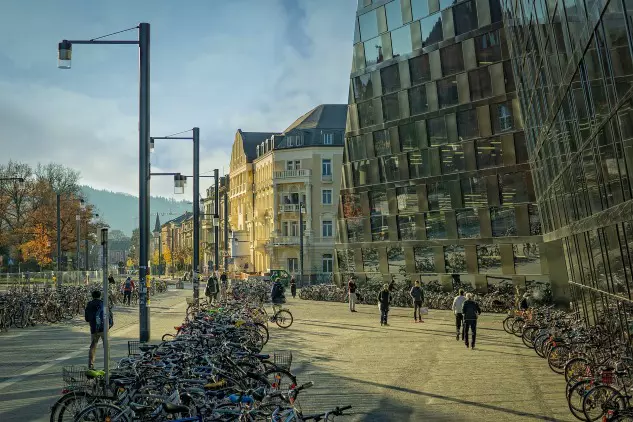
The article focuses on bicycles as a vital tool for sustainable mobility, offering health, environmental, and traffic benefits. With over 1 billion bicycles globally, they help reduce carbon emissions and congestion. The bicycle market, especially e-bikes, is expanding, with innovations in eco-friendly materials further reducing environmental impact. As cities invest in cycling, bicycles play a vital role in creating greener, healthier urban environments.
Read MoreOn Two Wheels Toward a Sustainable Future.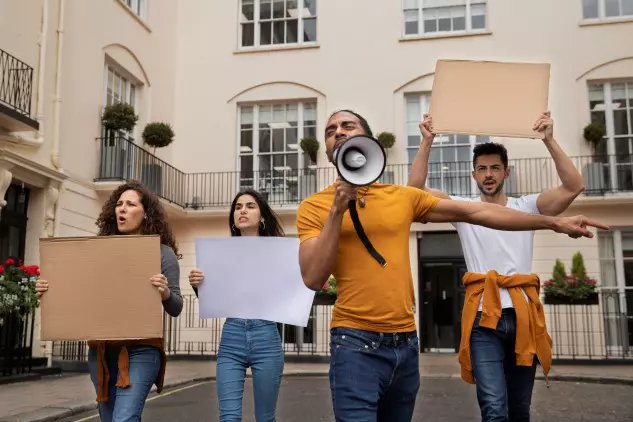
The "Not In My Backyard" (NIMBY) phenomenon reflects local opposition to projects affecting nearby areas. While it encourages civic debate, it can delay important initiatives due to distrust and emotional responses. NIMBY is a key aspect of democratic decision-making.
Read MoreNIMBY – Not In My Backyard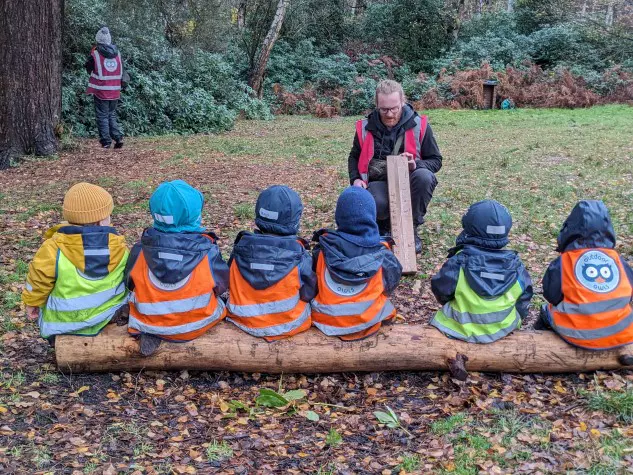
What can we do to help children understand the importance of sustainability and the impact of their actions on our planet? Environmental education plays a crucial role in this. The article focuses on the unique aspects of studying at a Forest School
Read MoreGoing back to Nature with Forest Schools