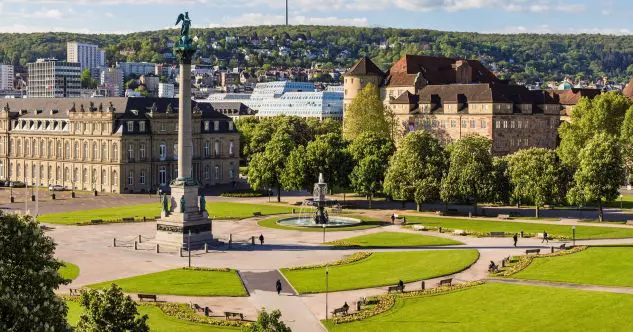
Trees-as-Infrastructure is redefining how cities integrate nature into urban planning. By treating trees as critical infrastructure, this approach enhances climate resilience, reduces heat and flooding risks, and improves community well-being. The methodology, tested in Stuttgart, offers a scalable model for greener, healthier, and more sustainable cities worldwide.
Read MoreTrees-as-Infrastructure: How Urban Nature Builds Cool, Green and Resilient Cities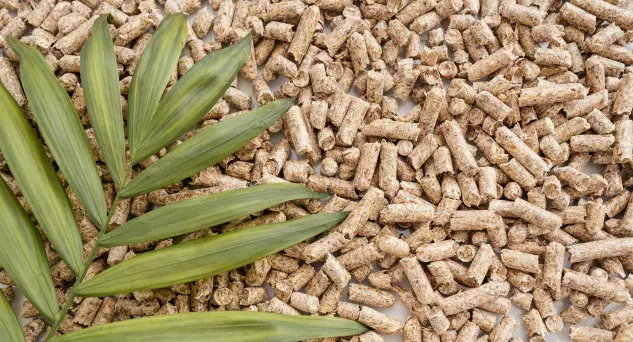
The article explores how new rules are reshaping the Serbia pellet market, setting unified standards for quality, safety, and transparency. Only top-quality A1 and A2 wood pellets are now allowed on the market, while B-class products are banned. The regulation is expected to strengthen local producers, improve competitiveness, and support the transition to sustainable heating solutions.
Read MoreNew Rules Reshape Serbia Pellet Market and Quality Standards
How can the Western Balkans deliver the SDGs amid war, heat, and rapid technological change? In this interview, SDF President Kosta Živanović details th e Forum’s 2025 agenda—competitiveness in turbulent times, the energy paradox, near-shoring and resilient supply chains, and scaling AI and clean tech. He explains why Belgrade can act as a regional hub and how SDF connects local actors to global standards to turn goals into practical action on energy, food systems, and governance.
Read MoreBuilding a Balkan Regional Platform for the SDGs : Interview with Kosta Živanović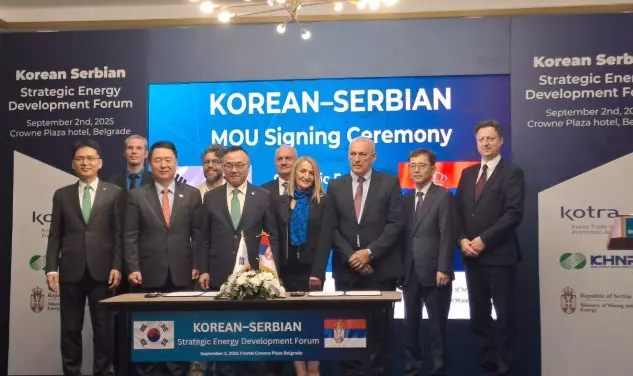
The Korea–Serbia Strategic Energy Development Forum, held in Belgrade on September 2, 2025, brought together officials, experts, and industry leaders. The event focused on nuclear power, hydrogen technologies, and renewable projects, underlining Serbia’s energy security as a national priority. For Korea, the forum opened new opportunities to expand cooperation and share expertise in Europe.
Read MoreKorea–Serbia Strategic Energy Development Forum: A New Chapter in Bilateral Energy Cooperation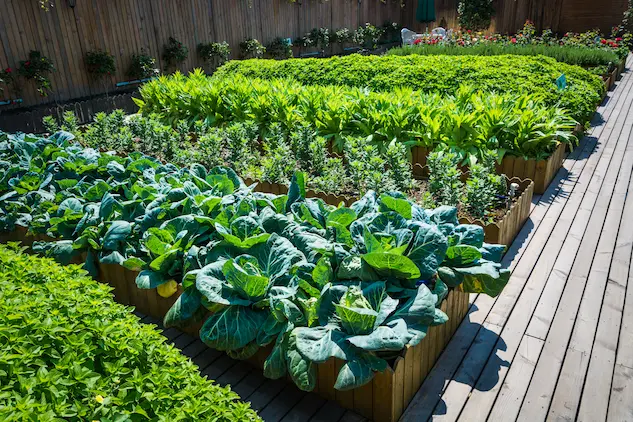
Edible cities integrate urban gardens into public spaces, delivering multiple social, ecological, and economic benefits beyond food production. From Andernach to Belgrade, European cities are piloting edible landscapes as infrastructure for climate adaptation, community building, and environmental education. Research shows that inclusive, co-designed programs yield stronger social outcomes than purely technological approaches. Practical guidance for planners emphasizes mapping, governance, skills pipelines, and a mosaic of micro-sites to maximize impact.
Read MoreEdible City: How Urban Gardens Transform Cities Beyond Food
The Western Balkans is stepping onto the energy stage with new auctions, ambitious targets, and a push to integrate into Europe’s power market. In this interview, Inessa Shahnazarova, Founder and Executive Director of Invest In Network, shares why 2025 feels like a turning point for the region. From grid modernization to fresh opportunities for investors, she explains what makes this year’s Energy Week is so important.
Read MoreEnergy Week 2025 and Beyond: An Interview with Inessa Shahnazarova on Opportunities in the Western Balkans
Autonomous vehicles (AVs) could either deepen car dependency or support sustainable, liveable cities. This article contrasts two scenarios: private AVs driving congestion versus shared AVs integrated with transit. Drawing on examples from Singapore, Phoenix, and Stockholm, it highlights key tools — transport hierarchy and road pricing — to guide cities toward greener, fairer futures.
Read MoreSteering Autonomous Vehicles and Sustainable Cities Toward a Liveable Future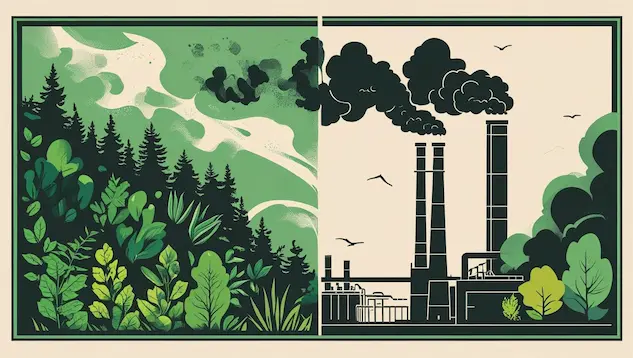
As sustainability becomes a powerful marketing tool, more brands are making environmental claims that don’t always hold up to scrutiny. This article explores how to spot greenwashing in everyday products and advertising — helping consumers make informed, responsible choices in a market flooded with misleading “green” labels
Read MoreHow to Spot Greenwashing: When Sustainability Is Just a Sales Strategy
Can biodesign in the Balkans turn waste into value? Explore the region’s resources and its role in building a regenerative, green future.
Read MoreBiodesign in the Balkans: Unlocking the Potential of a Regenerative Bioeconomy
As global temperatures rise, cities need affordable ways to stay cool—white roofs offer one. Reflective coatings can lower indoor temperatures by up to 6 °C and reduce urban heat by 2 °C. Case studies from London to Delhi slums show clear benefits in comfort, energy savings, and emissions. These coatings are low-cost, easy to apply, and often community-led. Despite some trade-offs, white roofs are a powerful tool for cooler, healthier cities.
Read MoreAbove the Heat: Why Cities Need White Roofs Now