
Sustainable Development
Europe Sustainable Development Report 2026: Progress, Gaps and the Regional Divide
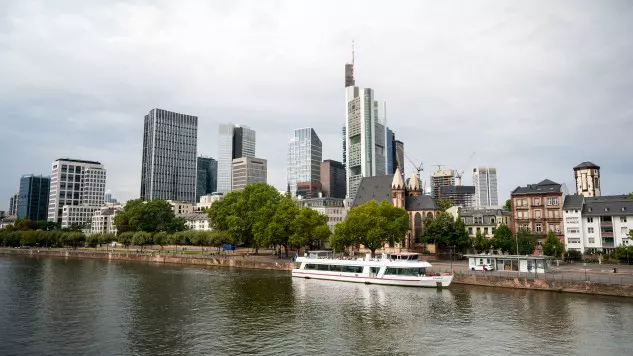
The Europe Sustainable Development Report 2026 provides a new snapshot of how European countries are progressing toward the UN Sustainable Development Goals. While Northern Europe continues to lead the SDG Index, significant regional gaps remain, particularly in Central and Eastern Europe and the Western Balkans. This brief review highlights the report’s key findings and explores what they mean for the European sustainability transition and the growing role of cities in implementing it.
Read MoreEurope Sustainable Development Report 2026: Progress, Gaps and the Regional DivideEurope’s Wildfire Crisis: Why Firefighting Alone No Longer Works

Europe is entering a new era of wildfire risk, where fires are no longer rare disasters but a structural feature of a changing climate. Based on the latest European Forest Institute analysis, the article explains why relying on firefighting alone is no longer enough and why integrated fаire management is becoming central to EU policy and resilience.
Read MoreEurope’s Wildfire Crisis: Why Firefighting Alone No Longer WorksESG Reporting Trends 2026: 7 Moves for Sustainable Business After the 2025 Reset
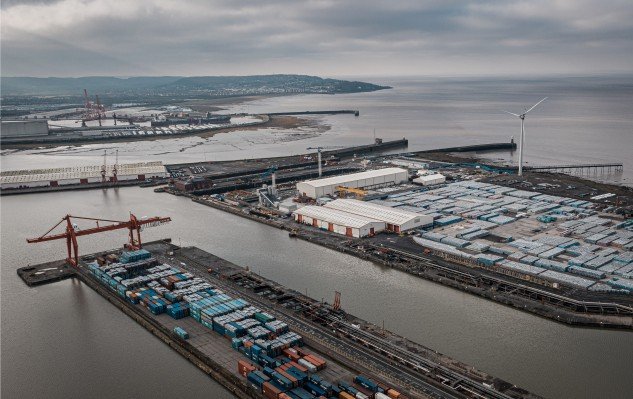
In 2025, ESG reporting moved from promises to proof. This article explores ESG reporting trends 2026, explaining how CSRD, Omnibus simplification and CBAM are reshaping sustainability reporting and what companies must do to stay credible and competitive.
Read MoreESG Reporting Trends 2026: 7 Moves for Sustainable Business After the 2025 ResetThe New Energy Frontline:Energy Resilience in Central and Eastern Europe (II).
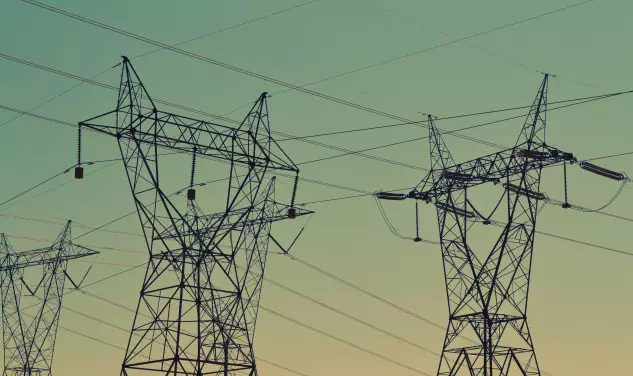
The second part of the article examines how cities shape energy resilience in Central and Eastern Europe, from managing rising demand to addressing energy poverty. It explores what local governments need — in policy, funding, and coordination — to turn urban energy systems into pillars of regional security.
Read MoreThe New Energy Frontline:Energy Resilience in Central and Eastern Europe (II).The New Energy Frontline: Energy Resilience in Central and Eastern Europe (I)

Central and Eastern Europe is once again on the energy frontline, caught between aging infrastructure, geopolitical pressure, and the urgency of climate transition. This article explores how energy resilience in Central and Eastern Europe is being tested and where progress, policy gaps, and innovation collide. It opens a broader conversation about what the region must do next to secure its energy future.
Read MoreThe New Energy Frontline: Energy Resilience in Central and Eastern Europe (I)How Urban Data Governance in Europe Is Shaping the Future of Cities

This article examines how urban data governance in Europe is reshaping city development through regulatory frameworks, federated platforms, and mission-oriented data spaces. It explores how European cities leverage data to align climate, social, and digital objectives while addressing fragmentation, governance complexity, and uneven territorial capacities. The analysis highlights both the systemic potential and political challenges of scaling these models across Europe.
Read MoreHow Urban Data Governance in Europe Is Shaping the Future of CitiesCOP30 in Belém: High Tensions, Deep Divides, and Slow Steps Forward
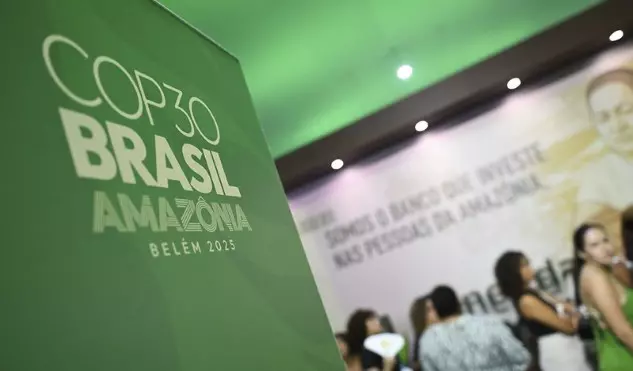
COP30 in Belém unfolded as one of the most polarising climate summits in recent memory, marked by geopolitical tensions, mass protests, and a weakened draft deal that avoided commitments on phasing out fossil fuels. Despite these setbacks, negotiators agreed on several incremental measures, highlighting both slow progress and deep divides that continue to shape global climate action.
Read MoreCOP30 in Belém: High Tensions, Deep Divides, and Slow Steps ForwardSustainable Food Systems: Feeding the Planet Without Destroying It

Sustainable food systems are essential to feeding a growing global population while reducing environmental harm. This article examines the ecological impacts of industrial agriculture and outlines emerging alternatives, from regenerative farming and urban food production to cultivated meat technologies. By rethinking how food is grown, distributed, and consumed, cities and communities can build more resilient, equitable, and climate-conscious food futures.
Read MoreSustainable Food Systems: Feeding the Planet Without Destroying ItClimate Coaching: From Corporate Ambition to Daily Culture

The article explores how climate coaching empowers businesses and cities to integrate sustainability into everyday decisions and culture. It highlights real-world evidence from research and practice showing how coaching transforms climate goals into measurable actions. The article also outlines emerging trends, key frameworks, and practical steps for organisations aiming to build climate-aware leadership.
Read MoreClimate Coaching: From Corporate Ambition to Daily CultureSustainable Development and Climate Challenges: The Crucial Role of C:N:P Stoichiometric Ratios for Effective Ecosystem Management

Climate change threatens the balance of Earth’s biogeochemical cycles. The stoichiometric ratios of carbon, nitrogen, and phosphorus (C:N:P) shape ecosystem resilience, carbon sequestration, and nutrient flows. Human activities, such as intensive farming and the use of fossil fuels, distort these ratios, accelerating greenhouse gas emissions and soil degradation. Integrating stoichiometric principles into climate and land-use policies can strengthen ecosystem services, biodiversity, and long-term sustainability.
Read MoreSustainable Development and Climate Challenges: The Crucial Role of C:N:P Stoichiometric Ratios for Effective Ecosystem Management