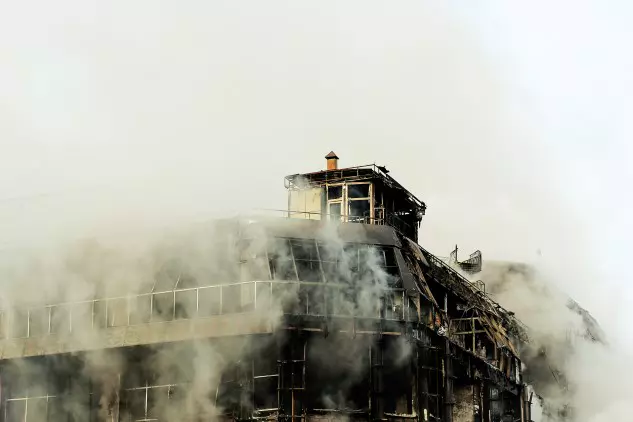
This article explores the role of sustainable smart technologies in combating fires in urban environments, using the Los Angeles 2028 smart city initiative as a backdrop. As urban areas face increasing risks from wildfires and urban fires, this piece highlights innovative solutions such as smart fire detection systems, AI-powered prediction models, drones for fire management, and fire-resistant building materials. It also discusses how these technologies can improve fire safety, reduce environmental impact, and create more resilient urban spaces. Explore how cities can become better equipped to prevent and manage fires with smart, sustainable solutions.

The Sarajevo Energy Forum 2025, held on January 30-31, focused on key trends in the energy transition, including energy storage, decentralized security, AI, agrosolar, and renewable energy financing. It concluded with calls for accelerating the transition, regional cooperation, and policy alignment.

As global awareness of sustainability grows, the sports industry is embracing eco-friendly practices in stadium construction and operations. Sustainable sports stadiums are adopting eco-friendly practices like energy efficiency, water conservation, and waste reduction. Some venues highlight innovations in sustainability, while also serving as community hubs. This shift offers environmental, economic, and social benefits, showcasing a growing commitment to responsibility and innovation in the sport world.

The article explores the adoption of smart technologies aimed at enhancing urban life in Pancevo, Serbia. While these innovations offer great potential, the city faces significant challenges in maintaining and upgrading them. The article examines both the successes and struggles of these technologies, offering valuable insights into the broader challenges faced by cities in the Western Balkans.