
From Our Partners
Balkan Battery Day to Spotlight Rapid Growth of Energy Storage Across Southeast Europe
Battery energy storage systems are rapidly moving from early-stage ambition to commercial reality across the Balkans, with gigawatt-scale project pipelines now emerging in Greece, Romania, Bulgaria and neighbouring markets. Against this backdrop, senior developers, utilities, investors, policymakers and technology providers…
The Era of Now: NVIDA’s Charbel Aoun on Enabling Cities to Build Their Own AI Capability

In this interview, NVIDIA’s Charbel Aoun explains why the future of urban AI depends not on adopting more tools, but on building local capability, data sovereignty, and long-term talent. He shares how cities can move from fragmented pilots to responsible, human-centric AI systems that deliver measurable public value.
Read MoreThe Era of Now: NVIDA’s Charbel Aoun on Enabling Cities to Build Their Own AI CapabilitySaaS Traffic Control in Xuchang: A New Model for Seamless Congestion Management
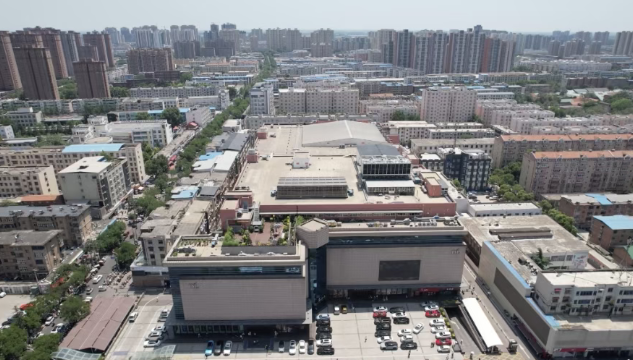
Xuchang (Henan province, China) tackled traffic congestion caused by surging tourism by implementing AI-powered SaaS traffic control system. This lightweight solution, deployed in two weeks at one-tenth the traditional cost, reduced intersection delays by 13.39% and improved rush hour speeds by 13-15%. Integrated smart parking further optimized mobility, demonstrating technology’s role in building efficient cities.
Read MoreSaaS Traffic Control in Xuchang: A New Model for Seamless Congestion ManagementHuman-Centric Smart Mobility: Ethical Dilemmas and Solutions in the Age of Intelligent Connectivity
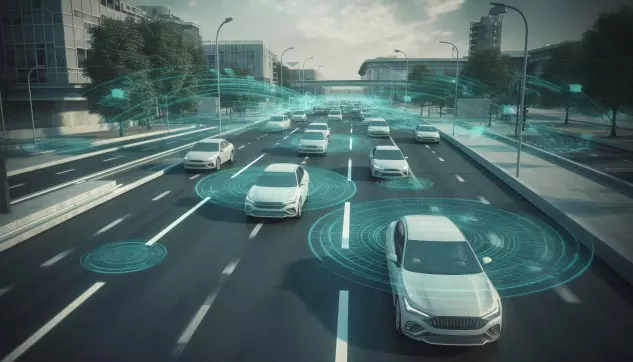
: Smart transportation’s pursuit of efficiency raises ethical dilemmas: loss of driver control, data privacy concerns, and diminished social connectivity. Solutions include standardized human-machine interfaces, robust data governance, and technology-designed social interactions to preserve human-centric mobility.
Read MoreHuman-Centric Smart Mobility: Ethical Dilemmas and Solutions in the Age of Intelligent ConnectivityAI and the City: Smart Governance for the Future.

AI and cities are becoming inseparable as European municipalities deploy intelligent tools to improve governance, mobility, and public services. This article explores how mid-sized cities are leading the shift toward human-centric, transparent, and trustworthy AI adoption. Through real examples and expert insights, it reveals what cities need to scale innovation while protecting democratic values.
Read MoreAI and the City: Smart Governance for the Future.Pedestrian-Friendly Urban Design: Experience Sharing from Hong Kong

Hong Kong’s approach to pedestrian-friendly urban design showcases how dense cities can improve walkability through smart planning and people-centered infrastructure. In the article, we explore the city’s most effective strategies, from pedestrian zones to innovative crossing technologies, and examine what other cities can learn from this experience.
Read MorePedestrian-Friendly Urban Design: Experience Sharing from Hong KongReverse Variable Left-Turn Lane: An Innovative Solution for Smart Urban Traffic Optimization
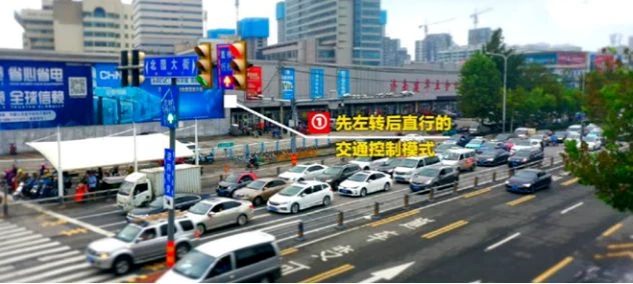
The reverse variable left-turn lane is an innovative traffic design that dynamically reconfigures exit lanes for left-turn use during specific signal phases. This urban traffic optimization strategy enhances intersection capacity without major construction, offering a smart, cost-effective solution for left-turn congestion.
Read MoreReverse Variable Left-Turn Lane: An Innovative Solution for Smart Urban Traffic OptimizationCentral Asia’s First Driverless Light Rail: The Future of Smart Urban Mobility in Kazakhstan
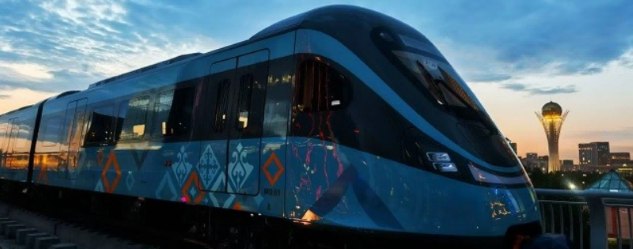
In the article, Huawei’s partnership with Kazakhstan is explored through the development of Central Asia’s first driverless light rail system. Using LTE-M technology, the project aims to enhance urban transit efficiency and passenger experience, with operations expected to begin in 2025.
Read MoreCentral Asia’s First Driverless Light Rail: The Future of Smart Urban Mobility in KazakhstanSignal Control China Club Explores Hong Kong’s Smart Transport Systems
Provided by our media partner 7ITSNews On September 26, 2025, the Signal Control China Club organized a study visit to Hong Kong, with support from ITS Hong Kong, AECOM, and Shenzhen Urban Transport Planning & Design Center Digital Technology. The…
Trees-as-Infrastructure: How Urban Nature Builds Cool, Green and Resilient Cities
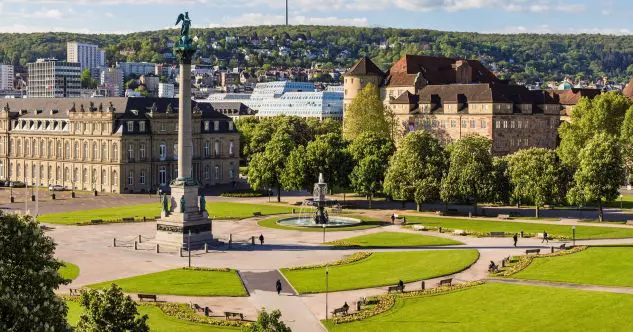
Trees-as-Infrastructure is redefining how cities integrate nature into urban planning. By treating trees as critical infrastructure, this approach enhances climate resilience, reduces heat and flooding risks, and improves community well-being. The methodology, tested in Stuttgart, offers a scalable model for greener, healthier, and more sustainable cities worldwide.
Read MoreTrees-as-Infrastructure: How Urban Nature Builds Cool, Green and Resilient Cities