
Quality Lifestyle
Paris Housing Policy: Can the City Unlock the Homes It Already Has
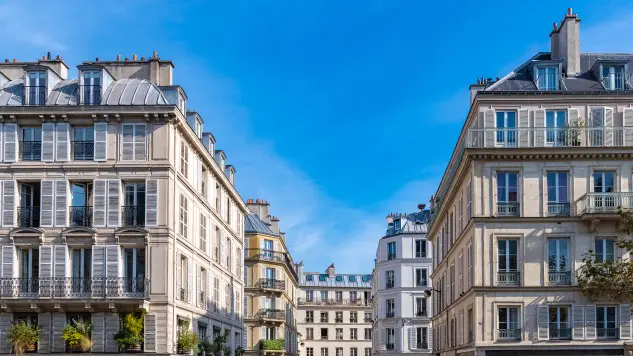
Paris is tackling its housing crisis not only by building more homes, but by changing how the existing housing stock is used. From vacancy taxes and tourist-rental restrictions to office conversions and public acquisitions, its experiment asks how far a city can regulate housing use without undermining the private rental market.
Read MoreParis Housing Policy: Can the City Unlock the Homes It Already HasHappy City Index 2026: What Does It Really Measure?
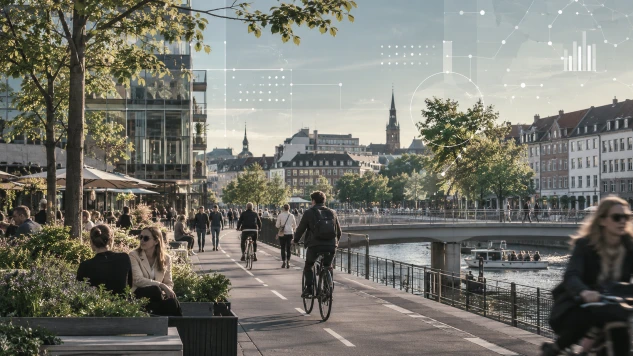
The Happy City Index 2026 ranks 250 cities using 64 indicators, but does it actually measure happiness? New Polis examines the methodology and compares the ranking with residents’ own assessments of urban life, revealing where the two perspectives align and where they diverge.
Read MoreHappy City Index 2026: What Does It Really Measure?Urban Light Pollution: How Cities Can Balance Safety, Nature and the Night Sky

Artificial light at night supports urban safety and mobility, yet excessive and poorly designed lighting affects ecosystems, sleep, energy use and the visibility of the night sky. This article examines the pace of light pollution, its consequences in Europe, and three possible approaches to designing safer and more sustainable urban lighting.
Read MoreUrban Light Pollution: How Cities Can Balance Safety, Nature and the Night SkyLibraries and Sustainable Development: How Libraries Support the Sustainable Development Goals
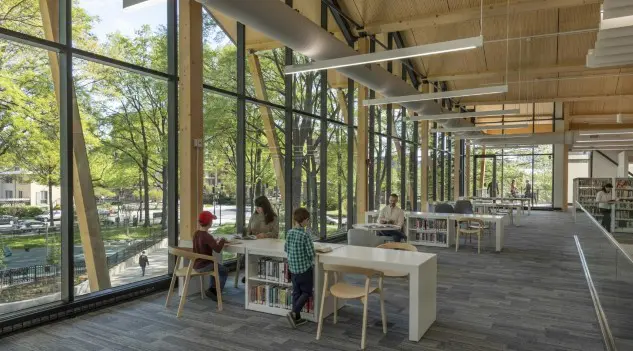
Modern libraries have evolved far beyond their traditional role, becoming essential institutions that support education, digital inclusion, AI literacy, and community resilience. This article explores how libraries contribute to the Sustainable Development Goals through lifelong learning, equitable access to information, and partnerships that strengthen sustainable development.
Read MoreLibraries and Sustainable Development: How Libraries Support the Sustainable Development GoalsThe tree in the machine: Why urban heat resilience planning still can’t see the tree

Urban heat resilience strategies increasingly rely on digital tools, heat mapping, and building performance models, yet trees remain largely excluded from the systems used to guide investment and regulatory decisions. This article examines why urban forests continue to be treated as contextual elements rather than critical cooling infrastructure, despite extensive evidence of their thermal, social, and public health benefits. It argues that integrating tree canopy data into urban heat resilience planning is essential for equitable and effective climate adaptation.
Read MoreThe tree in the machine: Why urban heat resilience planning still can’t see the treeBeyond Green Claims (Part II): Governance, Legacy and Trust in Sustainable Sports Events

Sustainable sports events depend on far more than emissions reductions and operational efficiency. Drawing on international experience, Pierluigi Zacheo examines the role of governance, local partnerships, legacy, and accountability in turning sustainability ambitions into credible long-term results.
Read MoreBeyond Green Claims (Part II): Governance, Legacy and Trust in Sustainable Sports EventsBeyond Green Claims (Part I): The Operational Reality of Sustainable Sport Events
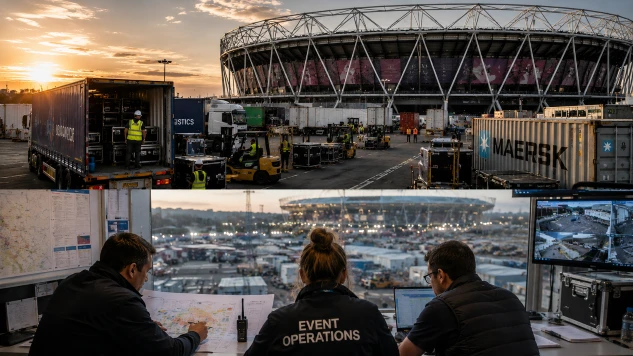
Major sporting events increasingly promote ambitious sustainability goals, yet their greatest environmental impacts often remain hidden within complex operational systems. Drawing on examples from Formula E, Formula 1, the Olympic Games, and other international events, Pierluigi Zacheo explores why transport, logistics, procurement, governance, and planning decisions ultimately determine whether sustainability commitments translate into real-world results.
Read MoreBeyond Green Claims (Part I): The Operational Reality of Sustainable Sport EventsInclusive Public Spaces: How Cities Prescribe Behaviour
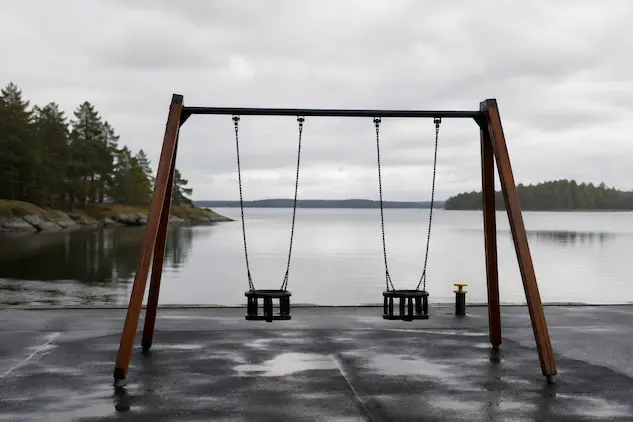
Public spaces often appear open to everyone, yet invisible rules shape who feels welcome and who is left out. This article examines how urban design influences behaviour and advocates for inclusive public spaces that prioritise flexibility, informal play, and shared ownership.
Read MoreInclusive Public Spaces: How Cities Prescribe BehaviourFrom Smart to Longevity Cities: Rethinking Urban Competitiveness
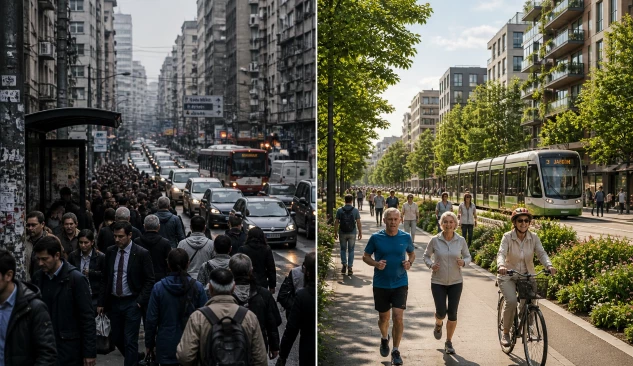
As populations age, urban competitiveness is increasingly shaped by health, longevity, and the ability to keep people active and productive throughout longer lives. This article examines how longevity cities could transform demographic challenges into a new source of economic advantage.
Read MoreFrom Smart to Longevity Cities: Rethinking Urban CompetitivenessGender-Responsive Urban Planning: Why Cities Must Work for Women
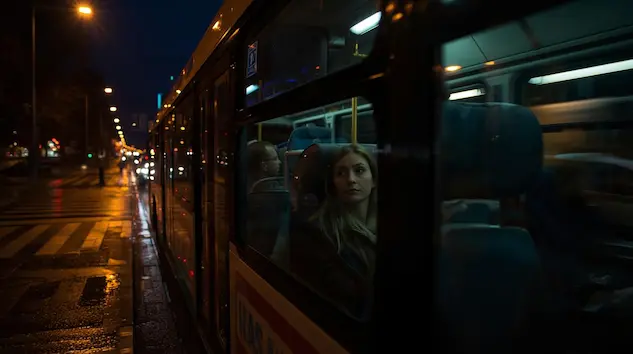
The article considers how the infrastructure of the city often demonstrates gender disparities that may be present in the urban landscape. From gender-responsive facilities to transportation safety, many elements of urban space continue to serve men better than women. This article discusses the possibilities of gender-sensitive urban planning, taking into account examples from Vienna, Barcelona, and Seoul.
Read MoreGender-Responsive Urban Planning: Why Cities Must Work for Women